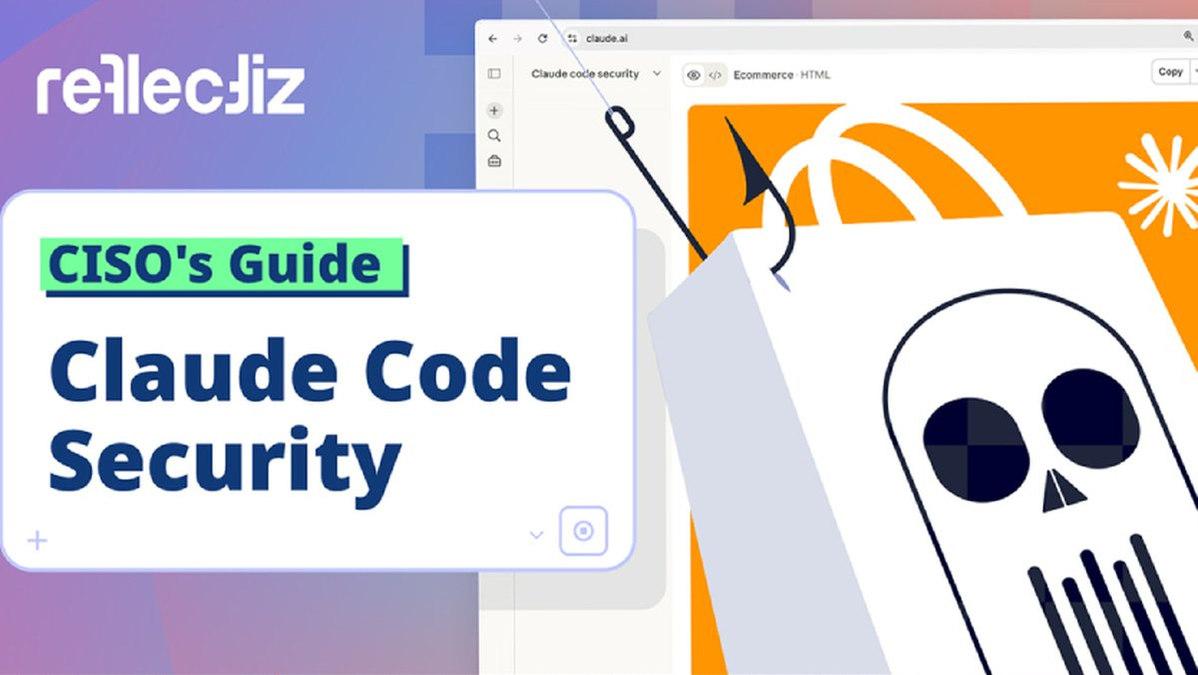
A significant cybersecurity threat has emerged this week, with malicious actors weaponizing the recent leak of code from Anthropic's Claude AI assistant. Security researchers have identified that hackers are not merely posting the stolen proprietary code online; they are bundling it with malware, creating a dual-threat trap for curious developers and security professionals. The tactic exploits the high interest in the leaked intellectual property to lure individuals into downloading files that compromise their systems. This incident underscores a growing trend where cybercriminals use legitimate, high-profile data breaches as bait to distribute ransomware, info-stealers, or other malicious payloads to a targeted, technically savvy audience.
The malware delivery method is particularly insidious. The leaked Claude code is being shared on various forums, messaging platforms, and file-sharing sites. Potential victims, seeking to analyze the code for research or competitive reasons, download archives that appear to contain the source files. However, these archives are booby-trapped. Upon execution, the hidden malware installs itself, potentially giving attackers backdoor access, exfiltrating sensitive data, or encrypting files for ransom. This strategy has a higher success rate than broad, untargeted phishing campaigns because it preys on the specific motivations and lowered skepticism of individuals actively seeking the leaked material.
This event highlights critical lessons for the cybersecurity community and organizations. First, it demonstrates the cascading risk of a data breach; stolen data is not an endpoint but can be repurposed as a tool for further attacks. Second, it serves as a stark reminder for individuals to practice extreme caution when encountering leaked data or software from unofficial sources. Even within the security research community, verifying the integrity and safety of downloaded files from peer-to-peer sources is paramount. Organizations must also reinforce security awareness training, warning employees—especially those in R&D and IT—about the dangers of interacting with leaked proprietary information from any source.
Looking forward, the convergence of AI and cybersecurity will only become more complex. As AI models become more valuable and their internal workings are guarded as core intellectual property, they will remain high-value targets for espionage and theft. The subsequent weaponization of such leaks presents a new attack vector. Defending against these threats requires a multi-layered approach: robust internal security to prevent initial leaks, advanced threat detection to identify malware delivery attempts, and a culture of security that discourages engaging with potentially hazardous leaked assets. The Claude code leak incident is not an isolated event but a template for future hybrid cyber-attacks.