EXCLUSIVE: ICE DEPLOYS PARAGON SPYWARE IN DRUG CASES, RAISING ALARM OVER CYBERSECURITY AND DIGITAL RIGHTS
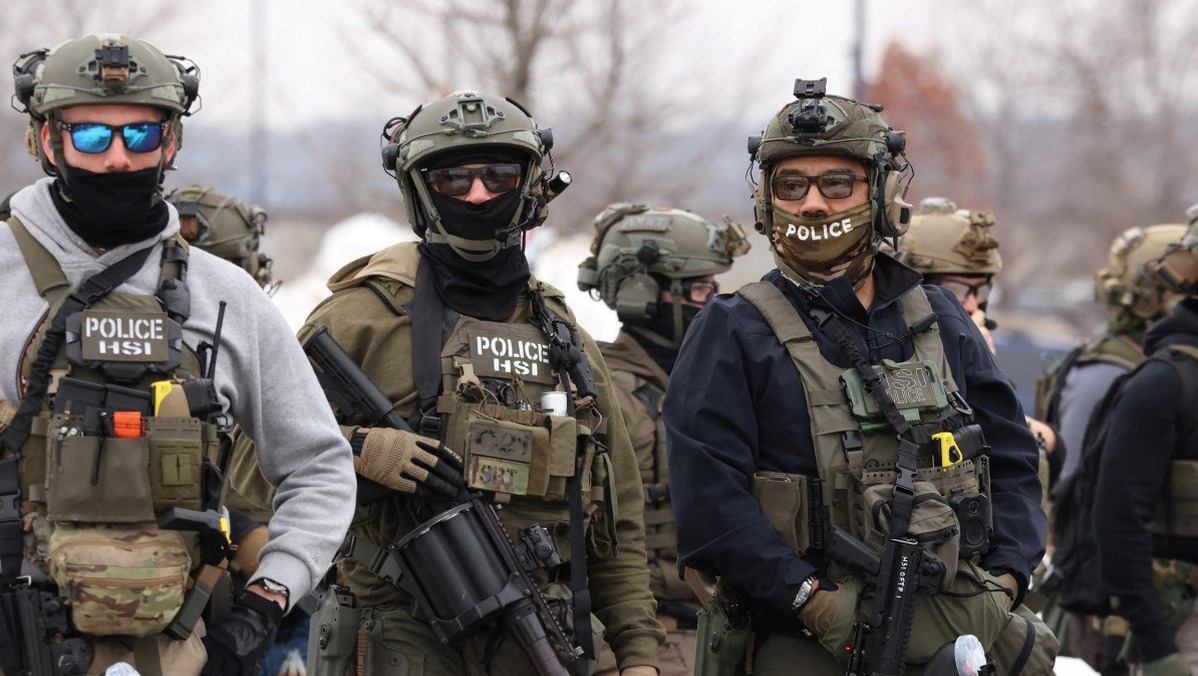
A bombshell letter reveals U.S. Immigration and Customs Enforcement has purchased and deployed spyware from the controversial firm Paragon Solutions, specifically for drug trafficking investigations. Acting Director Todd Lyons confirmed the use of these "cutting-edge technological tools," justifying them as necessary to counter criminals using encrypted platforms. This move ignites a firestorm over government hacking powers and the very definition of cybersecurity.
The core fact is stark: a major federal law enforcement agency now possesses a potent cyber weapon. This tool, likely capable of exploiting unknown vulnerabilities or zero-day flaws, can bypass encryption by grabbing data directly from a target's device. The immediate justification is dismantling drug cartels, but the precedent is terrifying. Where does legitimate investigation end and unchecked surveillance begin?
Critics are sounding a five-alarm warning. "This isn't just about catching drug lords," warns a former intelligence official specializing in cyber policy. "It's about normalizing the government's use of the most invasive commercial spyware. Every deployment is a potential data breach waiting to happen, not just for the target, but for the integrity of the system itself." The risks of improper use or the tool being co-opted by malicious actors are immense.
You should care because your digital security is now indirectly tied to government spyware stocks. The same exploit technology used to infiltrate a cartel phone could, if leaked or repurposed, fuel the next global ransomware wave or sophisticated phishing campaign. Furthermore, the government's push into crypto surveillance tools directly challenges the foundational promises of blockchain security and personal privacy.
This is a gateway policy. The prediction is clear: domestic use of commercial spyware will expand, citing national security and narcotics. The next targets won't just be foreign cartels, but any entity deemed a threat, blurring lines in a dangerous new cyber frontier.
The state has just weaponized your smartphone.