EXCLUSIVE: CRITICAL ZERO-DAY IN TELNET THREATENS TOTAL NETWORK COLLAPSE — NO PASSWORD NEEDED
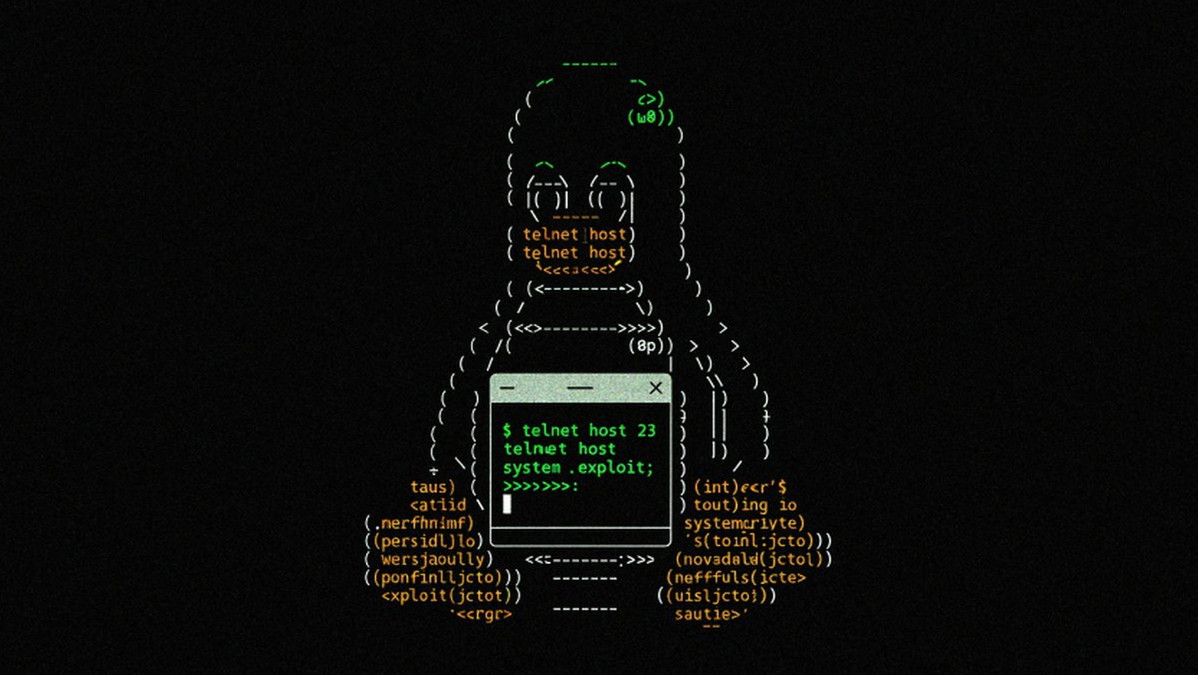
A ticking time bomb has been discovered in one of the internet's oldest and most pervasive services. Cybersecurity researchers are sounding a global alarm over a catastrophic vulnerability, tracked as CVE-2026-32746, in the GNU Inetutils telnet daemon. This flaw, scoring a near-perfect 9.8 out of 10, allows any unauthenticated attacker to seize complete root control of a system with a single connection to port 23. This is not a sophisticated hack; it's a digital drive-by shooting.
The core facts are terrifyingly simple. This is a buffer overflow in the protocol's LINEMODE handler. An attacker needs no credentials, no phishing lure, and no user interaction. They simply connect and send a maliciously crafted message during the initial handshake—long before any login prompt appears. Successful exploitation grants immediate remote code execution with the highest possible privileges. This vulnerability is a ransomware gang's dream and a network administrator's worst nightmare.
"This is as bad as it gets," stated a senior threat intelligence analyst we spoke to under condition of anonymity. "It's a remotely exploitable zero-day in a service that often runs with root permissions. We are looking at a potential wave of automated malware campaigns, data breach events, and ransomware payloads being deployed at machine speed. The window for patching is closing fast." The researcher emphasized that legacy industrial systems and forgotten network devices are sitting ducks.
Why should you care? Because telnet, while antiquated, is still shockingly widespread in operational technology, legacy infrastructure, and embedded systems. A successful exploit doesn't just compromise one machine; it provides a perfect beachhead. Attackers can deploy backdoors, exfiltrate data, and use the compromised host as a pivot point for lateral movement across the entire network. In an era where blockchain security is touted for modern apps, this flaw exposes the rotten foundations of our connected world.
We predict a massive surge in exploit attempts within 48 hours of public disclosure. Criminal groups will weaponize this to hijack systems for crypto-mining botnets and to launch devastating ransomware attacks before the April 1 patch deadline. The advice is brutal: disable telnetd immediately if possible, or severely restrict access to port 23.
The internet's skeleton is cracking, and the ghosts are walking out.