EXCLUSIVE: NORTH KOREA'S CYBER ARMY INFILTRATES CRYPTO WITH GLOBAL MALWARE AND RANSOMWARE SCHEMES
The US Treasury just dropped a sanctions bomb, exposing a sprawling North Korean IT fraud ring with one clear target: your blockchain. This isn't just sanctions news—it's a direct data breach into the heart of crypto cybersecurity, revealing how state-sponsored hackers are weaponizing zero-day vulnerabilities and phishing exploits on a global scale.
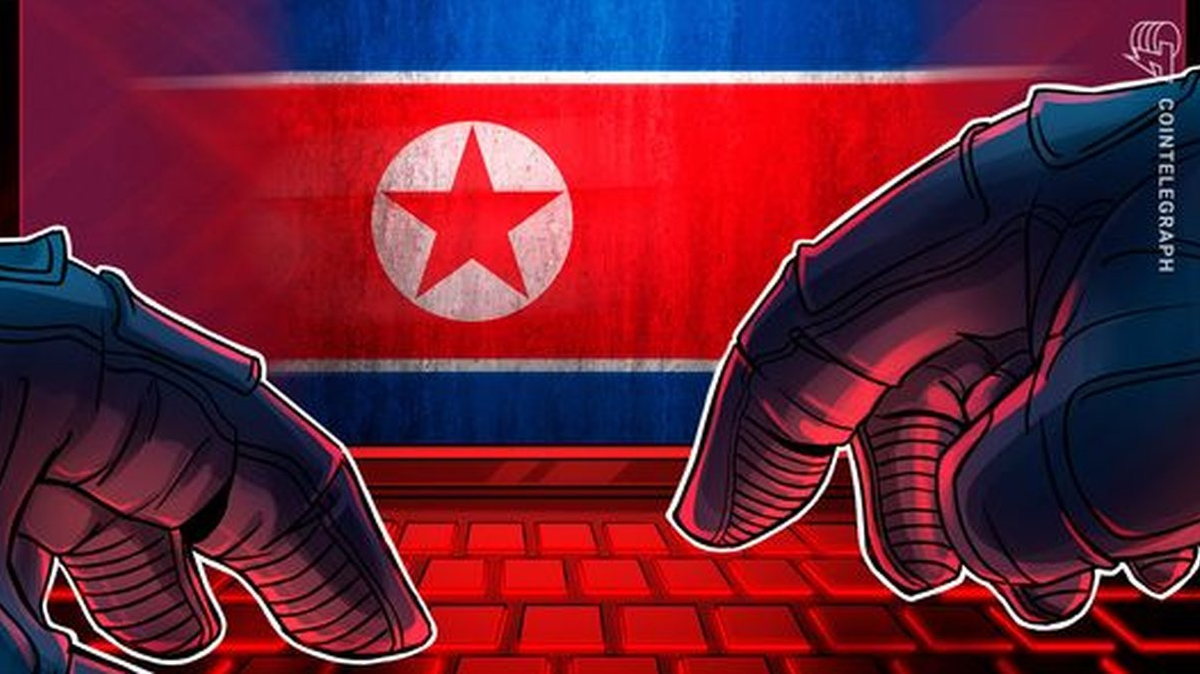
OFAC sanctioned six individuals and two entities across Vietnam, Laos, and Spain for running a massive fraud operation. Their mission? Place DPRK tech workers inside companies worldwide, including crypto firms, to steal funds and secrets. A Vietnam-based CEO was singled out for laundering a staggering $2.5 million through cryptocurrency for the network. This is a sophisticated, state-funded assault on blockchain security.
These fraudulent IT workers use stolen identities to land jobs at legitimate companies. Once inside, they are not just collecting a paycheck. They are planting malware, probing for ransomware opportunities, and creating backdoors. The Treasury also blacklisted 21 crypto addresses on Ethereum and Tron, proving the regime's multi-chain strategy to move illicit funds and exploit systemic vulnerability.
A top cybersecurity analyst, who requested anonymity due to ongoing investigations, told us: "This is a zero-day threat to the entire industry. These are not random hackers; they are soldiers using corporate IT positions as a beachhead for large-scale financial and data exploitation. Their phishing campaigns are tailored and relentless."
Why should every crypto user and developer care? Because your next smart contract auditor or exchange developer could be a DPRK operative. This scheme turns the global talent pool into a minefield, eroding trust and directly funding a nuclear weapons program through stolen crypto. This is the ultimate supply-chain attack.
We predict a wave of forced internal audits and KYC for tech contractors as this story spreads. The "remote worker" you hired last month could be the source of your next catastrophic data breach.
The lines between cybercrime and cyber-warfare have vanished. Your portfolio's security now depends on geopolitics.