EXCLUSIVE: NORTH KOREAN AGENTS RAN SIX-MONTH SPY OP TO STEAL $285 MILLION IN CRYPTO
A North Korean state hacking group didn't just hack a crypto exchange—they infiltrated it like a foreign intelligence service. New details reveal UNC4736, a Pyongyang-linked threat actor, spent half a year posing as legitimate traders, meeting developers in person, and building a malicious vault inside the Drift Protocol before executing a flawless $285 million data breach. This wasn't a smash-and-grab; it was a calculated, patient siege on blockchain security.
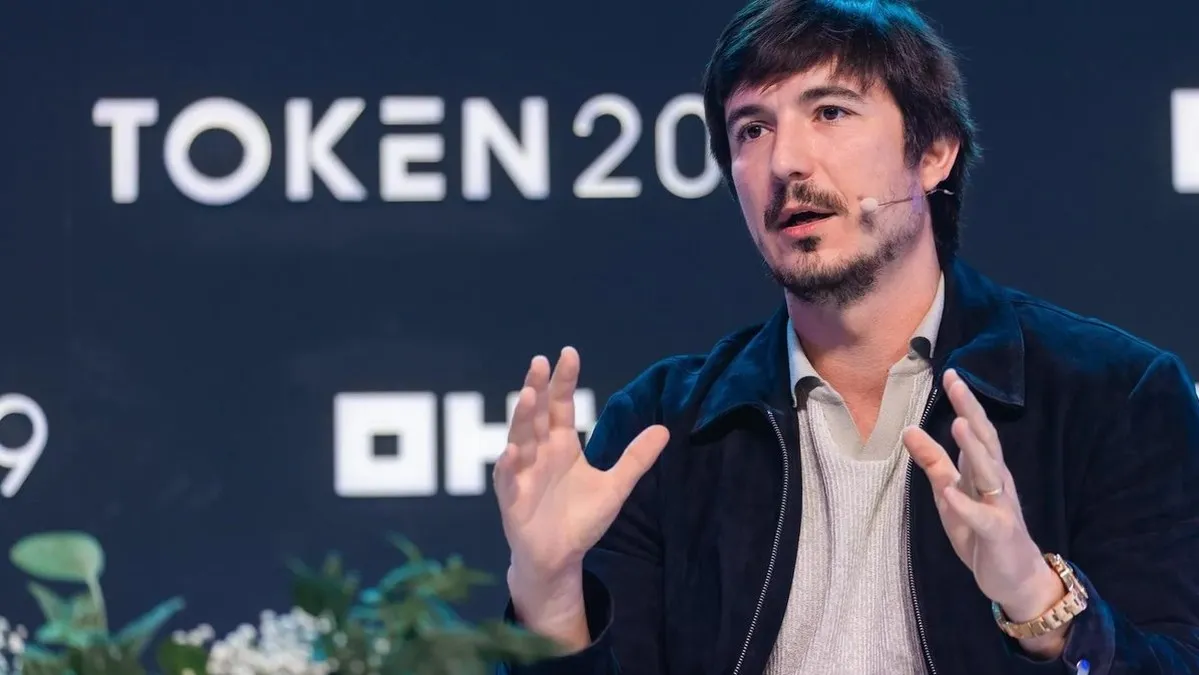
The operation showcases a terrifying new blueprint for crypto cybercrime. The attackers first made contact at a major industry conference last fall, presenting fake identities from a quantitative trading firm. Over subsequent months, they built trust, coordinated via Telegram, and even deposited over $1 million of their own capital into a vault on the platform. This deep cover operation gave them the access and insider knowledge needed to craft a devastating exploit.
The final attack leveraged a chilling combination of social engineering and technical prowess. Investigators believe the group used a malicious code repository, a fake TestFlight app, and potentially a VSCode/Cursor zero-day vulnerability to gain silent, remote code execution. The moment the funds were drained, the hackers' entire digital footprint—chats, malware, tools—was completely scrubbed, leaving almost no trace. This level of operational security is unprecedented in typical ransomware or phishing campaigns.
"THIS IS A PARADIGM SHIFT," a senior cybersecurity analyst told us on condition of anonymity. "Crypto teams are now facing adversaries that operate like CIA case officers, not cartoon hackers. They study you, meet you, and earn your trust before they destroy you. Most protocols' defenses are built for snatch-and-run attacks, not for six-month espionage plots."
Every participant in decentralized finance should be terrified. If a sophisticated team can be socially engineered over months, no one is safe. This attack proves that the greatest vulnerability in crypto isn't in the smart contract code—it's in the human beings building it. Phishing emails are one thing; a friendly face at a conference who spends six months lying to you is an entirely different, more dangerous threat.
We predict this will become the standard for high-value state-sponsored crypto theft. Why blast through a firewall when you can be invited in the front door? The era of the "long con" hack has arrived, and blockchain security teams are woefully unprepared for this slow-burn, psychological warfare.
Your wallet isn't just being hacked by malware. It's being hunted by spies.