CYBER WAR FOR OIL: HOW A ZERO-DAY EXPLOIT COULD TRIGGER GLOBAL CHAOS
Forget traditional warfare. The next attack on global oil supplies won't come from a missile, but from a malicious line of code. As geopolitical tensions spike, cybersecurity experts warn that critical energy infrastructure is dangerously exposed, with a single data breach or ransomware attack capable of paralyzing the market. The real vulnerability isn't in the Strait of Hormuz—it's in the software.
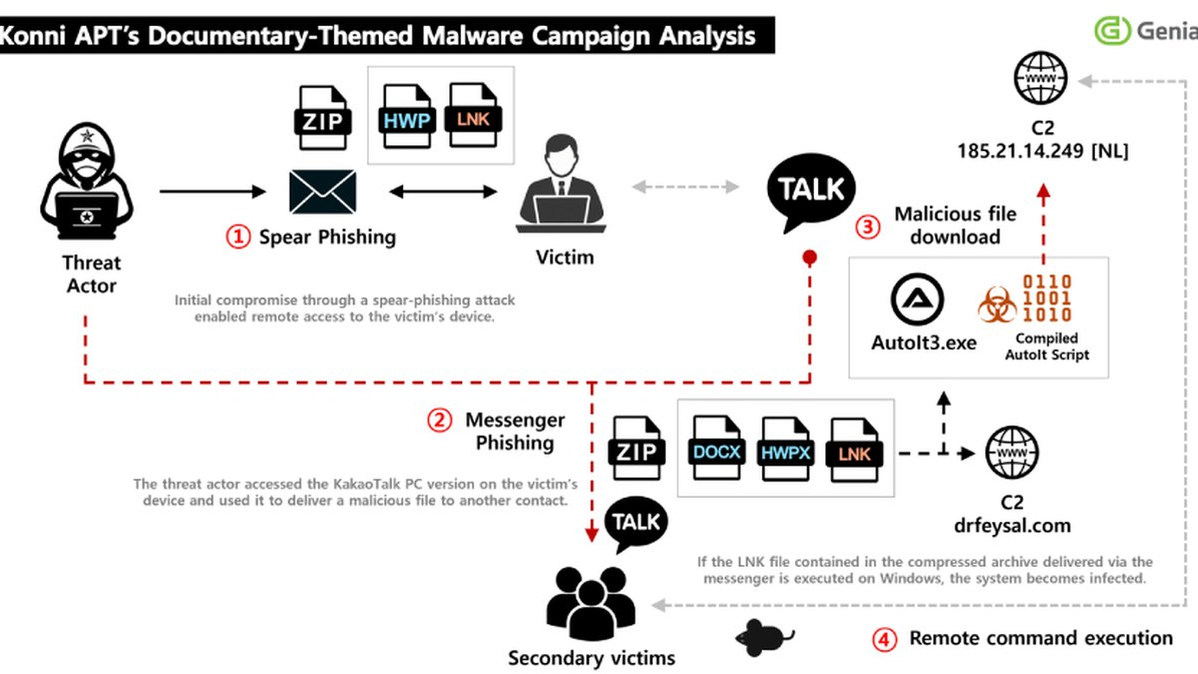
The core facts are a digital tinderbox. Energy companies manage vast, interconnected networks controlling extraction, refining, and shipping. A sophisticated phishing campaign or an unpatched software vulnerability could grant attackers the keys to this kingdom. Imagine a zero-day exploit that shuts down pipeline controls or a crypto-locking malware attack on a major port's logistics systems. The disruption would be instant and catastrophic, sending prices into uncharted territory.
"State-sponsored hacking groups have been probing these systems for years," reveals a former intelligence official now consulting on blockchain security for energy firms. "They're not just after data; they're positioning for a kill switch. The tools for a digital siege of the oil market are already deployed. It's not a matter of 'if,' but 'when' someone pulls the trigger."
You should care because your wallet is directly on the line. A cyber-induced supply shock would bypass all traditional market stabilizers, causing gasoline and heating oil prices to skyrocket overnight. This isn't a slow creep; it's a digital flash crash for physical goods. The very systems built for efficiency have created a single point of failure that hackers are eager to exploit.
We predict that within the next 18 months, a major energy conglomerate will suffer a crippling cyber-attack falsely flagged as ransomware, masking a state actor's move to manipulate global politics. The response will expose a shocking lack of preparedness.
The barrels are virtual, but the crisis will be very real.