AI POWER GRAB THREATENS BITCOIN'S ENERGY EMPIRE
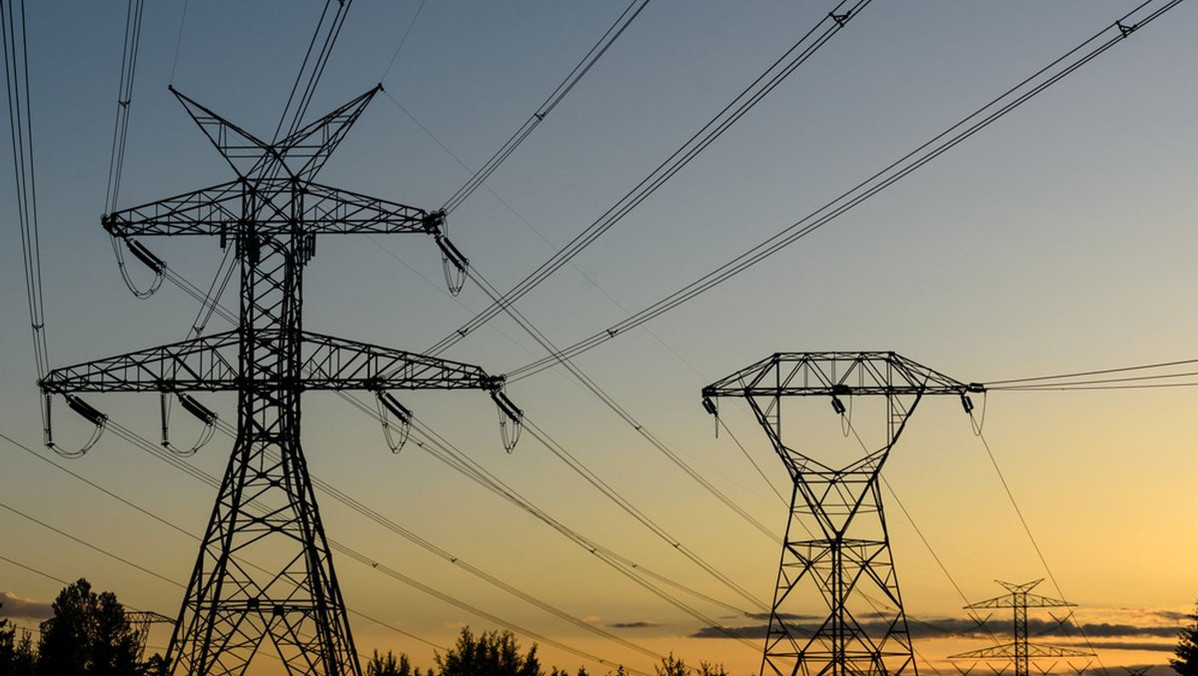
A seismic shift is underway in the global battle for cheap power. The explosive, multi-gigawatt compute deal just inked by AI giant Anthropic with Google and Broadcom isn't just a tech story—it's a direct declaration of war on the bitcoin mining industry. Starting in 2027, this tidal wave of AI demand will compete for the exact same scarce resources: grid connections, land, and most critically, cheap electricity. This is a zero-day exploit on the entire economic model of proof-of-work mining.
The core facts are staggering. Anthropic's revenue is rocketing from $9 billion to a $30 billion annual run rate, fueling an insatiable hunger for power. Their new deal locks down "multiple gigawatts" for next-generation AI chips. To put that in perspective, the ENTIRE global bitcoin network is estimated to draw between 13 and 25 gigawatts. A single AI company is now commandeering a double-digit percentage of that total for itself. This isn't competition; it's a hostile takeover of the energy landscape.
"Bitcoin miners are facing an existential pricing pressure they've never seen before," reveals a top energy analyst consulting for major mining firms. "AI doesn't just want cheap power; it needs reliable, industrial-scale capacity with perfect uptime. Utilities and developers will prioritize these long-term, stable contracts over the volatile demands of crypto mining. The economics are being rewritten in real-time."
Why should the crypto world care? This goes far beyond electricity bills. The frantic scramble for resources creates a perfect storm for cybersecurity risks. As miners pivot to host AI workloads to survive, they are exposing critical blockchain security infrastructure to new threat vectors. The convergence of high-value AI data and crypto operations presents a juicy target for sophisticated malware, ransomware, and phishing campaigns designed to trigger a catastrophic data breach. The industry's focus is being split, and its defenses weakened, at the worst possible time.
We predict a brutal consolidation. Only the largest, most vertically integrated mining operators with locked-in power contracts will survive as pure-play entities. The rest will be forced to become generic data center landlords, with bitcoin mining relegated to a side hustle. The very decentralization of the network is now under threat from the AI juggernaut.
The fight for the future isn't just on the blockchain; it's at the power substation. And bitcoin is losing.