CEASEFIRE BET REJECTED: CRYPTO TRADERS SNUB PEACE TALKS AS MIDEAST CYBERSECURITY THREATS LOOM
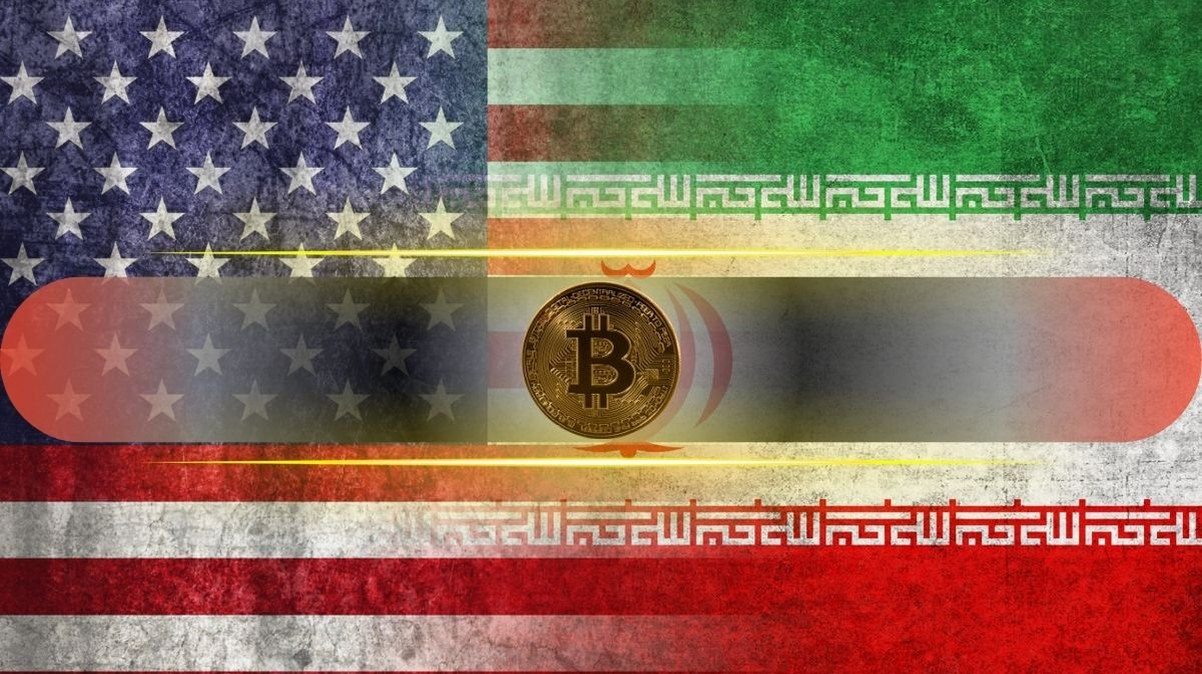
The prediction markets are screaming a warning that Washington doesn't want to hear. Despite backchannel whispers of a 45-day US-Iran truce, the crypto trading army on Polymarket is voting with nearly $100 million in bets that peace is a fantasy. With odds for an April 7th ceasefire at a pitiful 4%, the smart money is braced for endless war. This isn't just geopolitical gambling; it's a dire signal for global markets and a flashing red alert for blockchain security professionals worldwide.
The core facts are brutal. Traders have pushed the probability of a deal by mid-April to just 19%. Even by the end of June, only 56% believe a truce is possible. This wholesale skepticism comes as oil prices surge, threatening global inflation, because the crypto market understands a fundamental truth: modern warfare is hybrid. The real frontline is digital. Every stalled diplomatic handshake is another day Iran and its proxies have to launch sophisticated phishing campaigns, hunt for zero-day vulnerabilities, and prepare crippling ransomware attacks on critical infrastructure.
Unnamed cybersecurity analysts we spoke to are terrified of the implications. "A protracted conflict guarantees an escalation in state-sponsored malware and cyber-espionage campaigns," one expert warned. "The financial sector, including crypto exchanges and DeFi protocols, are prime targets for data breach attempts and complex exploits. This isn't speculation; it's an inevitable outcome of frozen diplomacy." The focus isn't just on traditional markets anymore; it's on the very integrity of the blockchain networks that power the new financial system.
Why should you care? Because your crypto portfolio is now directly tied to Middle Eastern geopolitics and the ensuing digital fallout. The volatility that briefly shot Bitcoin past $69,000 on ceasefire rumors is a tiny preview. A major cyber event stemming from this conflict—a successful attack on a core financial protocol or a major exchange—could trigger a market collapse far deeper than any inflation scare. This is the new reality of crypto investing: you must watch war rooms as closely as chart rooms.
We predict that the coming months will see a dramatic rise in cybersecurity incidents labeled as 'geopolitical spillover,' with hackers exploiting the fog of war. The narrative will shift from 'ceasefire odds' to 'which blockchain fortress gets breached first.'
The trading desks have spoken. They're not betting on peace; they're hedging for digital war. Ignore them at your peril.