OPENAI'S AI BLUEPRINT IGNORES CRYPTO'S CYBERSECURITY CRISIS
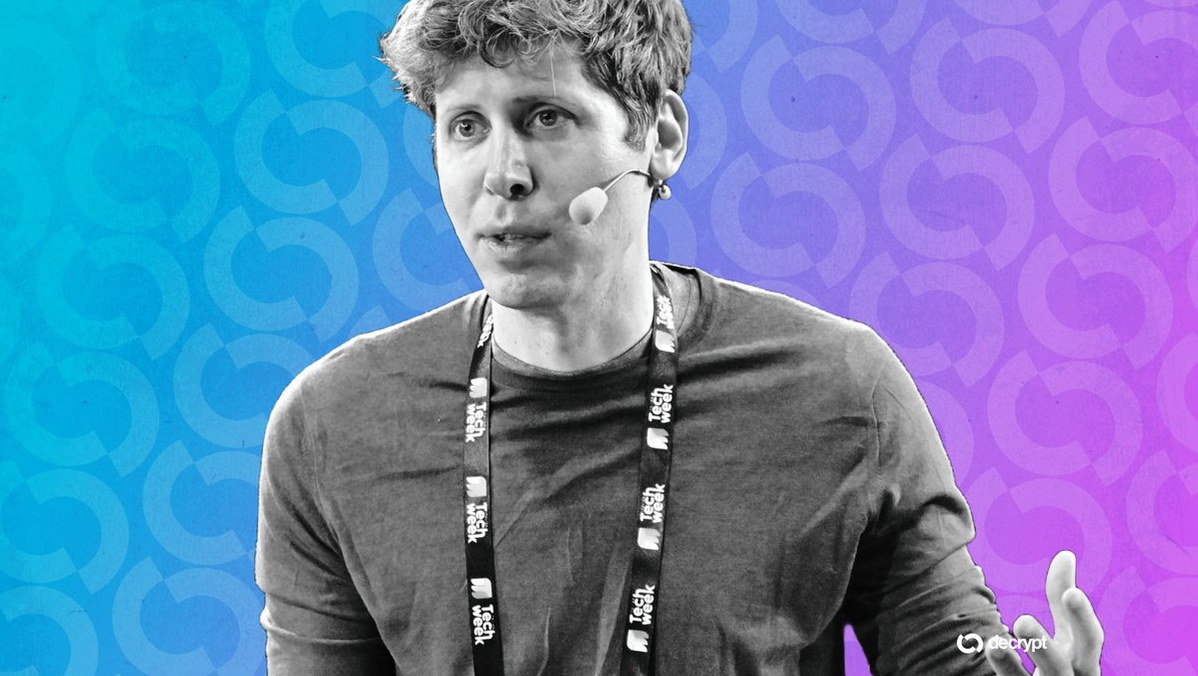
While Sam Altman urges global tax reform for the AI age, a critical vulnerability is being ignored: the coming storm of AI-powered cyberattacks targeting the blockchain. OpenAI's grand policy paper, released amid fresh scrutiny of its CEO's motivations, fantasizes about economic utopias but is utterly silent on the immediate weaponization of AI against digital assets. This isn't just about labor disruption; it's about systemic financial collapse engineered by malware and ransomware.
The core facts are terrifying. Advanced AI will supercharge every threat vector in the crypto ecosystem. Imagine phishing campaigns that are indistinguishable from legitimate communications, exploiting human vulnerability at an unprecedented scale. Picture AI agents autonomously hunting for zero-day vulnerabilities in smart contracts and exchange protocols, executing data breaches that drain billions before anyone can react. This is not a distant prediction; it is the next phase of the exploit economy.
"AI is the ultimate force multiplier for cybercriminals," warns a former intelligence official now advising major crypto foundations. "We are talking about adaptive ransomware that negotiates its own payments in crypto and malware that evolves in real-time to bypass traditional blockchain security measures. The industry's defensive playbook is already obsolete."
Why should every crypto holder care? Because your wallet is the frontline. The decentralized finance promise hinges on trust in code and key management. AI-driven social engineering attacks will target your seed phrase with a success rate that makes today's scams look primitive. The very tools meant to liberate finance could become the vectors for its total compromise if blockchain security does not become the paramount global priority.
We predict the first AI-facilitated mega-heist within 18 months, an event that will dwarf all previous crypto thefts and trigger a regulatory panic far more severe than any tax proposal. It won't just be an exchange that falls; it will be a foundational protocol, shaking faith to its core.
The intelligence age's first crisis won't be about taxes—it will be about survival in a digitally hostile world.