DEVELOPER DESKTOP APOCALYPSE: HOW YOUR AI CODING ASSISTANT IS LEAKING EVERY CORPORATE SECRET
The most dangerous data breach in your company isn't happening in the cloud. It's happening silently on the developer laptop next door, where a new wave of AI tools has created the ultimate credential vault for hackers. The recent attack by the TeamPCP threat actor wasn't just another malware incident; it was a surgical strike on the very heart of software creation, proving that developer workstations are now the single most critical piece of enterprise infrastructure to defend.
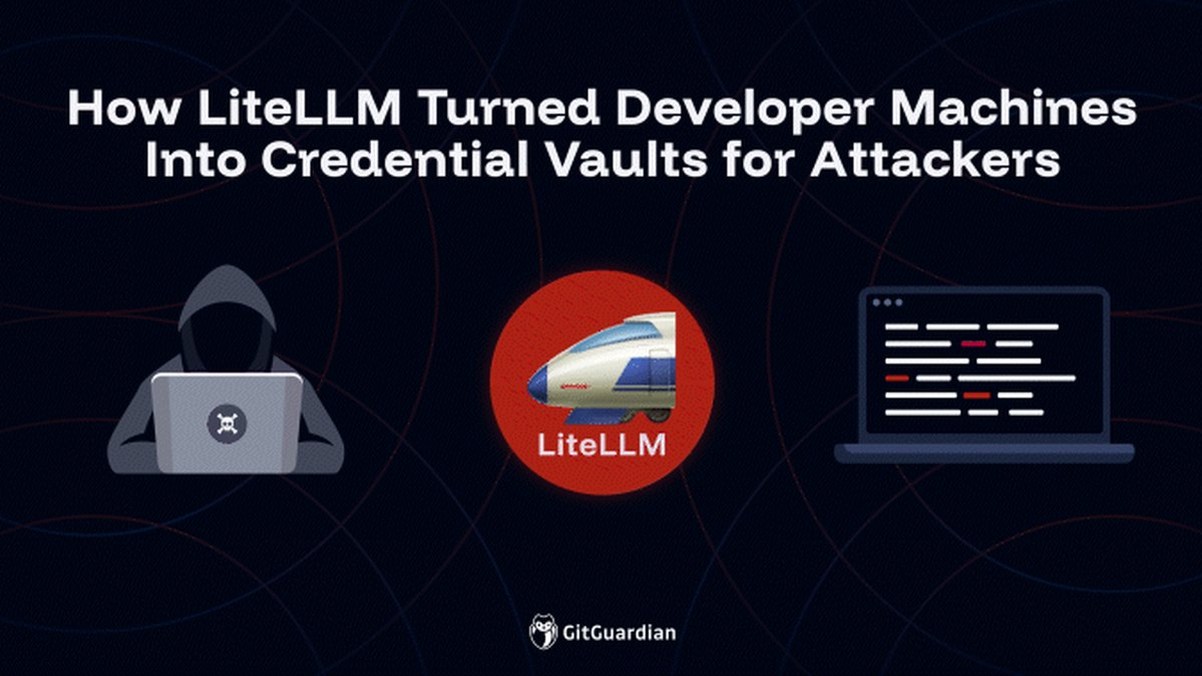
These machines are where the keys to the kingdom live. Credentials are created, cached, and constantly reused across cloud services, CI/CD pipelines, and now, local AI agents like LiteLLM. This creates a catastrophic vulnerability. When a supply chain attack compromises a tool trusted by developers, every secret it touches is instantly exposed. This isn't just a data breach; it's a corporate skeleton key forged in plain sight.
Security experts we spoke to are sounding a five-alarm fire. "We've moved from phishing for passwords to exploiting the entire development toolchain," one unnamed senior investigator stated. "A single zero-day in a trusted developer package is now the ultimate exploit, granting persistent access to the source code, internal APIs, and crypto wallets." The line between a productivity tool and a ransomware delivery system has vanished.
This matters because every company is now a software company. The very tools adopted to accelerate innovation are creating an existential threat. Your blockchain security is only as strong as the developer's machine that deployed the smart contract. Your crypto assets are only as safe as the workstation that manages the keys.
We predict a brutal shift in 2026: major ransomware campaigns will pivot from mass phishing to highly targeted attacks on software development teams. The payoff is too large to ignore. The next headline breach won't start with a suspicious email; it will start with a compromised code library.
Your developers aren't just building your product anymore; they're guarding the fortress. And the walls are made of glass.