EXCLUSIVE: CHINA'S DIGITAL CRACKDOWN HITS JACK DORSEY, BANNING BITCHAT IN MAJOR BLOCKCHAIN SECURITY SHOWDOWN
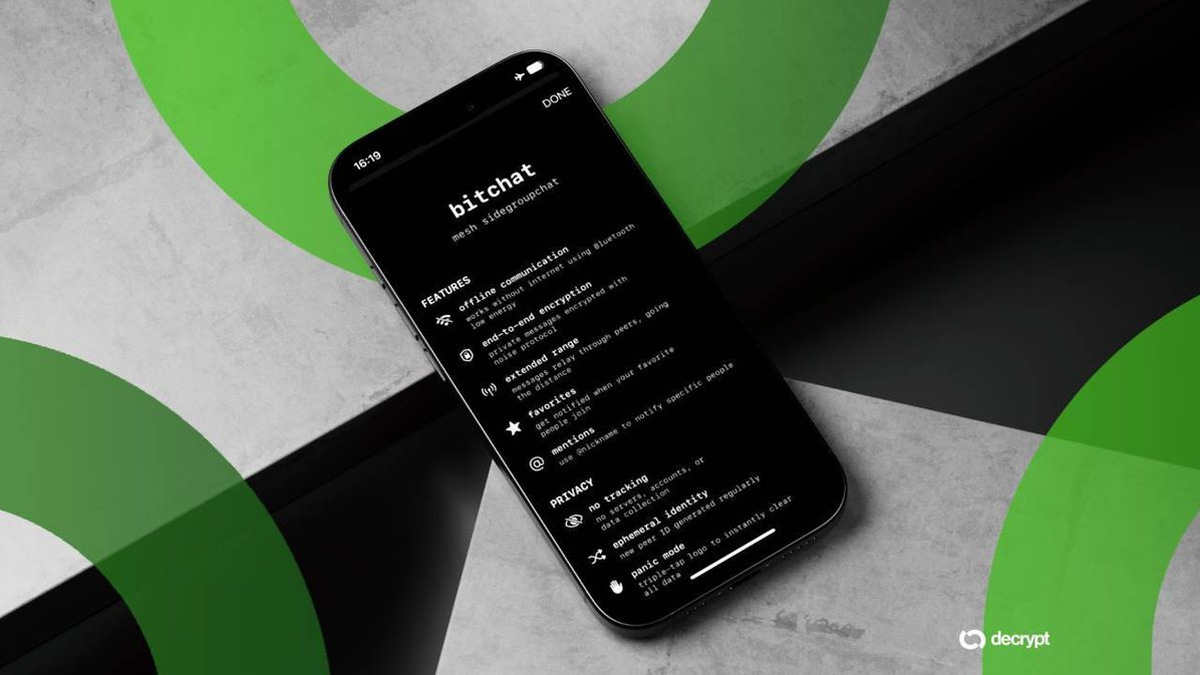
China has just fired a massive shot across the bow of the decentralized web. In a stunning move, Beijing's internet regulators have forced Apple to remove Jack Dorsey's peer-to-peer messaging app, Bitchat, from its China App Store. This isn't just about an app removal; it's a direct assault on a fundamental blockchain security principle: unstoppable, censorship-resistant communication. The app, which operates solely via Bluetooth and mesh networks without any internet connection, represents an existential threat to centralized digital control.
The official reason cites violations of rules for services with "public opinion or social mobilization capabilities." But the real story is a glaring vulnerability in China's Great Firewall. Bitchat's architecture bypasses all traditional internet gateways, creating a black hole for state surveillance. Its use by protesters in Iran, Nepal, and Madagascar, where governments shut down the internet, proves its potency as a tool for mobilization beyond state control. This is a zero-day exploit against authoritarian oversight, and Beijing is scrambling to patch it.
"An app like this is a cybersecurity nightmare for any regime built on information control," explained a veteran analyst specializing in network vulnerabilities. "It turns every smartphone into a potential node in an unsanctioned network. There's no central server to attack, no single point of failure to compromise. It's the ultimate data breach of the state's monopoly on communication channels." This action reveals the regime's deepest fear: a peer-to-peer protocol it cannot phish, cannot infiltrate, and cannot shut down.
Why should the global crypto community care? This is a canonical case study. If a protocol can be deleted from a major app store under political pressure, it challenges the very notion of decentralized permanence. It forces a critical question: how do we build truly resilient systems when the hardware and distribution channels remain centralized? This isn't just about messaging; it's a dry run for future clashes over decentralized finance (DeFi) apps and crypto wallets.
This won't be the last skirmish. China's move will accelerate the development of more hardened, anti-censorship communication layers directly within crypto ecosystems. Expect a surge in funding for mesh networking and offline transaction protocols. The cat-and-mouse game between decentralized tech and state control has entered a hotter, more urgent phase.
The firewall just met its match, and the battle for the future of private communication is now live on the mainnet.