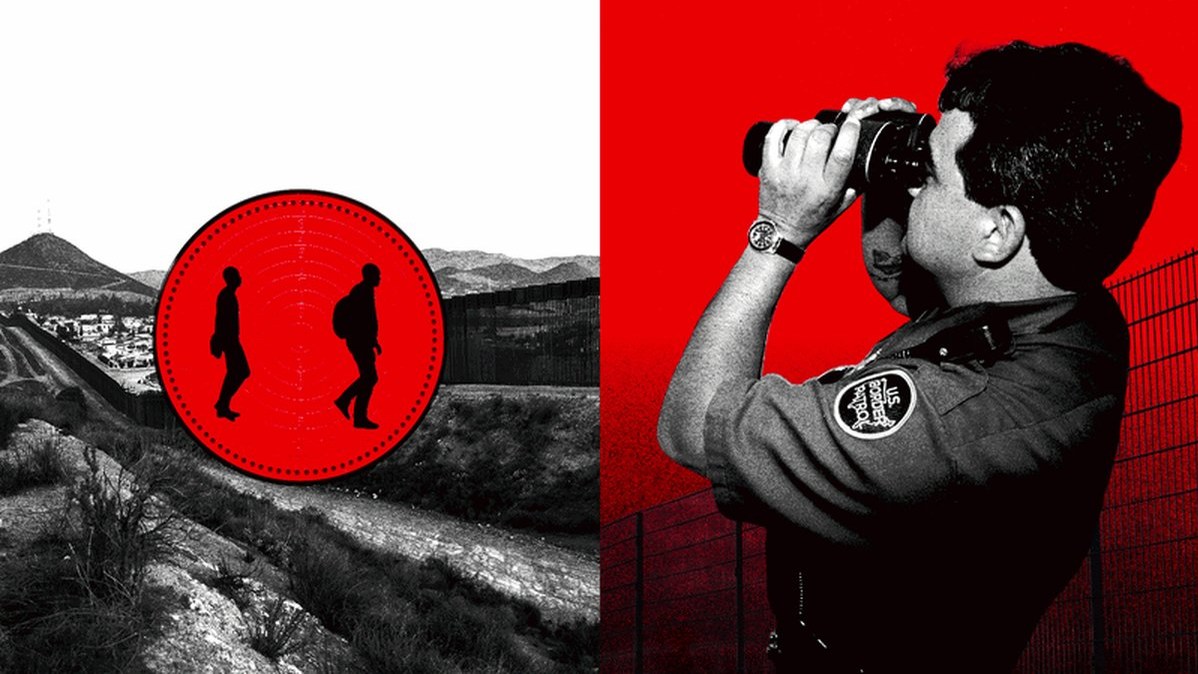
EXCLUSIVE: INSIDE THE BORDER PATROL'S CYBERSECURITY NIGHTMARE — OFFICIAL EMAILS, STATIONS EXPOSED IN FUNDRAISING SCANDAL
A shocking breach of protocol has exposed a critical vulnerability within the US Department of Homeland Security's own ranks. Investigative findings reveal Border Patrol agents are operating nonprofit groups from within official stations, using government email addresses to sell provocative merchandise. This isn't just a morale problem—it's a glaring national security risk, creating a wide-open backdoor for cyberattacks and espionage.
These groups, with IRS-listed addresses matching Border Patrol stations, are hawking "challenge coins" glorifying enforcement operations. One coin features riot gear and the phrase "fuck around and find out," popularized by the far-right Proud Boys. More alarmingly, these entities possess dedicated U.S. Customs and Border Protection email addresses, directly linking unofficial fundraising to official government infrastructure.
This creates a perfect storm for a catastrophic data breach. "You have unofficial entities with a veneer of officialdom," explains a former DHS cybersecurity advisor. "It's a phishing campaign's dream. A malicious actor could easily craft a credible email from these addresses to deliver malware or ransomware, exploiting the inherent trust within the agency's network. It’s a zero-day vulnerability in human and systemic security."
The danger extends beyond email. Commingling official and unofficial operations blurs all security lines. An expert in blockchain security notes, "While crypto isn't directly involved here, the principle is identical: trust is centralized in a vulnerable point. If these groups' finances or communications are compromised, it could be the first step in a multi-stage exploit targeting the heart of border security data." Every transaction and communication is a potential vector for attack.
This is not a trivial culture war issue. It is an active cybersecurity failure. The physical and digital security of the border is being undermined from within by rogue fundraising that ignores basic infosec protocols. The integrity of the entire DHS network is now in question.
We predict a major, related cyber incident targeting CBP systems will be revealed within the next 12 months, traced back to a compromised channel like this. When your guardians are busy selling coins, who is guarding the firewall?
The backdoor is wide open, and the threat is already inside.