EXCLUSIVE: APPLE BOWS TO BEIJING, CENSORS DORSEY'S CRYPTO MESSENGER IN MAJOR BLOCKCHAIN SECURITY SHOWDOWN
In a stunning move that sends shockwaves through the crypto and free speech communities, Apple has removed Jack Dorsey's decentralized messaging app, Bitkey, from its China App Store. This action, taken at the direct request of Beijing's Cyberspace Administration, is a blatant strike against peer-to-peer technology that operates beyond state control. The removal highlights a critical global fracture: the clash between decentralized networks and authoritarian internet governance.
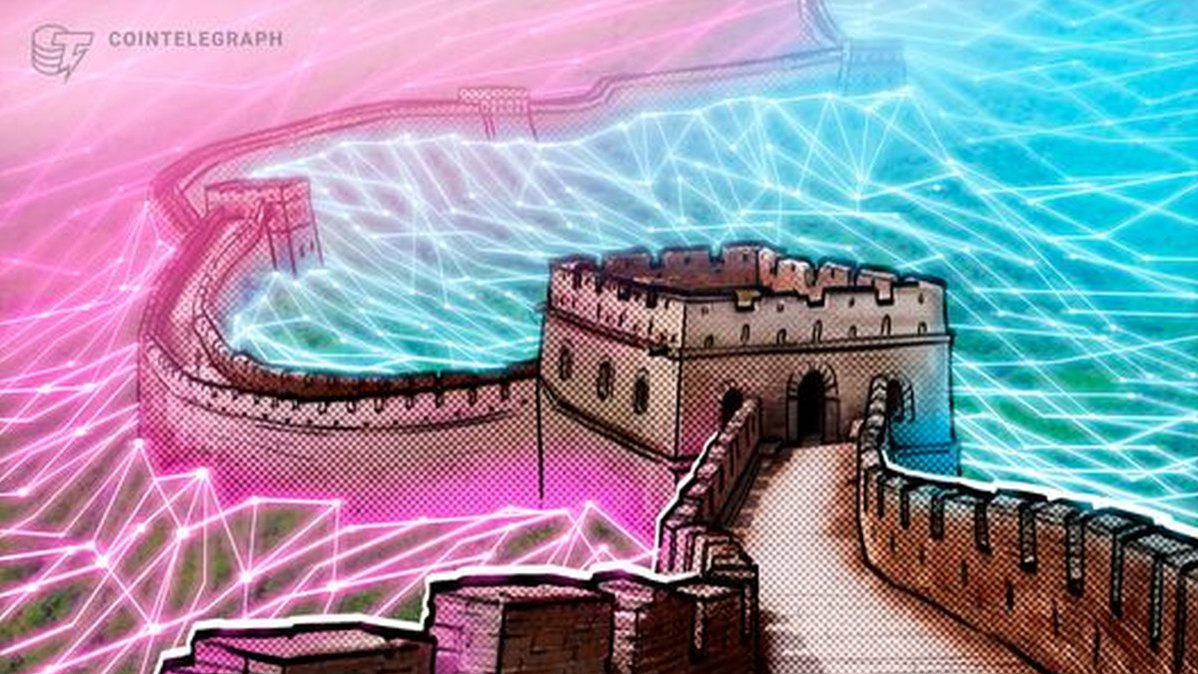
Bitkey is no ordinary app. It functions entirely over Bluetooth and mesh networks, requiring no traditional internet connection. This design makes it a potent tool for communication during internet blackouts, as seen in protests from Uganda to Iran. For China, a nation with the Great Firewall, such an uncontrollable channel represents an existential threat. The state cited regulations targeting services with "social mobilization capabilities," forcing Apple's compliance.
This is not just about messaging; it's a direct assault on the principles of blockchain security and decentralization. An unnamed cybersecurity expert specializing in censorship-resistant tech told us, "This is a canonical case. The state sees a zero-day vulnerability in its control apparatus—a peer-to-peer protocol it cannot monitor or shut down. Their only exploit is to pressure the distribution platform, Apple." The incident exposes the soft underbelly of decentralized apps: reliance on centralized app stores for distribution.
For the crypto world, this is a five-alarm fire. If a protocol like Bitkey can be erased from a major market on a whim, what does that mean for wallet security, decentralized exchanges, or token distribution? This data breach of digital rights sets a dangerous precedent. It proves that even the most secure blockchain security means nothing if the on-ramps are controlled by entities vulnerable to political pressure. Your digital sovereignty is only as strong as its weakest link.
We predict this will ignite a new arms race in decentralized app distribution, moving beyond app stores entirely. The era of polite compliance is over. The firewalls are going up, and the mesh networks are going dark.
The battle for the future of the internet is being fought one app removal at a time, and Beijing just scored a major victory.