EXCLUSIVE: BEARS ON THE BRINK AS $2.5 BILLION BITCOIN SHORT SQUEEZE LOOMS, EXPOSING CRYPTO'S HIDDEN VULNERABILITY
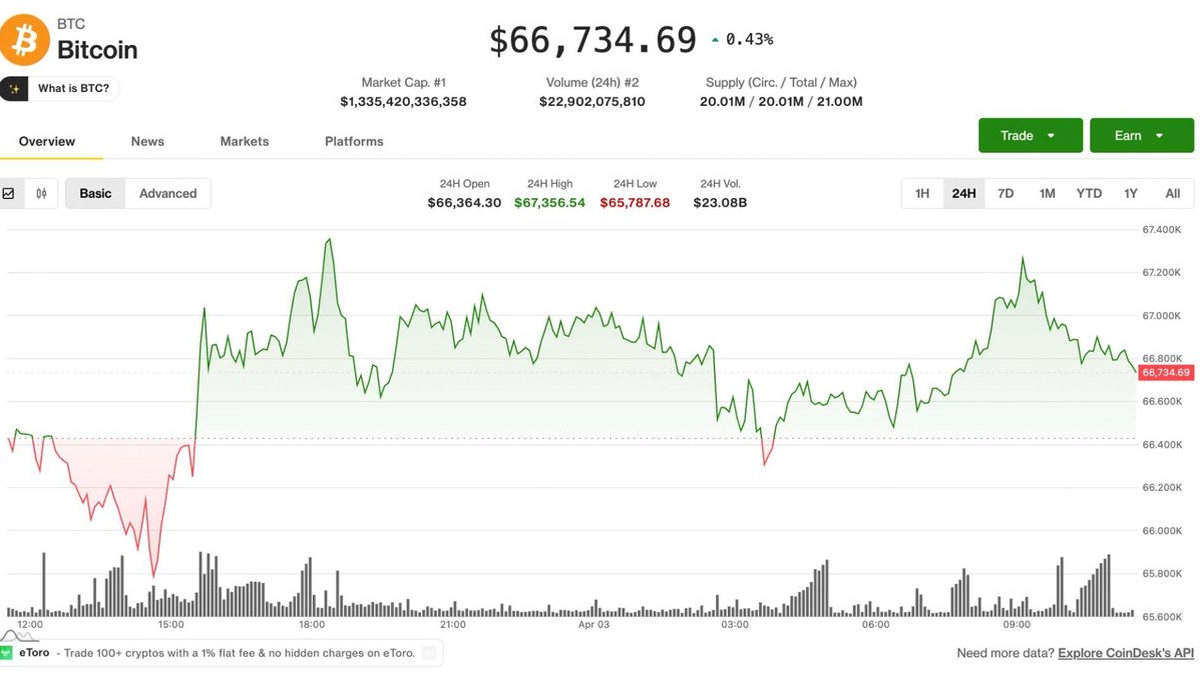
A staggering $2.5 billion in leveraged bearish bets faces imminent annihilation if Bitcoin rallies a mere 7.5% to $72,000. This isn't just a market move; it's a potential financial massacre waiting to happen, exposing the fragile underbelly of an ecosystem perpetually one step from a crisis. Overconfident shorts, betting on geopolitical pressure from Iran and stalled ETF flows, have built a powder keg of risk.
The core facts are explosive. Bitcoin has languished below its highs since mid-March, with bears aggressively adding futures shorts. A primary catalyst was public miner MARA's massive sell-off of over 15,000 BTC to pivot to AI and service debt. Combined with spiking oil prices threatening consumer spending, the narrative turned fiercely negative. Yet, this extreme positioning is the very fuel for a violent reversal.
Market experts warn this is a classic trap. "The negative funding rates show excessive bearish euphoria," one senior trader revealed anonymously. "It's a crowded trade. Any positive catalyst—a geopolitical ceasefire or a sudden resurgence in ETF inflows—will trigger a cascade of automatic liquidations. The resulting buy pressure could be self-fulfilling and brutal." This scenario highlights a critical blockchain security flaw: the transparency of leverage that predators can exploit.
Why should every crypto holder care? Because this impending squeeze is about more than price. It's a stress test for the entire infrastructure. A violent, rapid price movement of this magnitude could overwhelm exchanges, create settlement delays, and become a magnet for phishing campaigns and malware attacks targeting confused users. It's the perfect storm where financial panic meets heightened cybersecurity risk.
We predict a major catalyst will emerge within weeks, sparking the squeeze and liquidating the overleveraged bears. The resulting volatility will inevitably be used as a cover for more sinister activity, from phishing exploits to probing for zero-day vulnerabilities in exchange systems.
The bears are not just in danger; they are the architects of their own potential destruction, and they're dragging the market's stability down with them.