EXCLUSIVE: CRITICAL BORDER SECURITY CODES LEAKED ON PUBLIC STUDY SITE, EXPOSING ZERO-DAY IN HUMAN BEHAVIOR
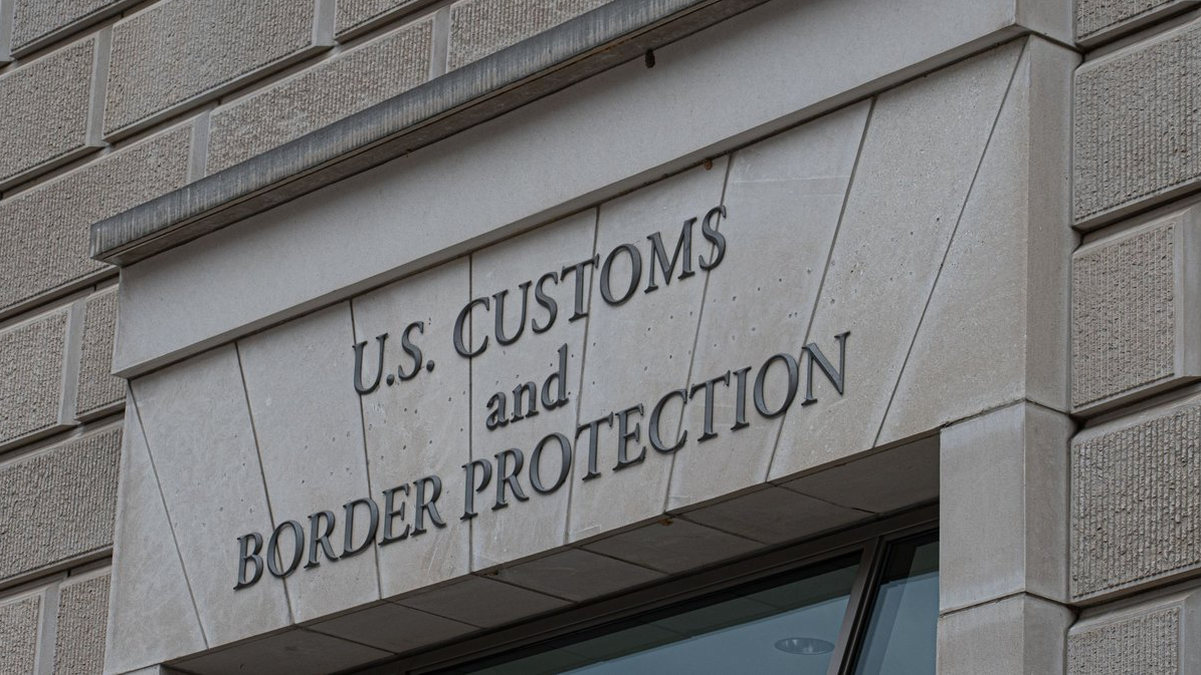
A staggering lapse in operational security has potentially exposed the front-door keys to US border facilities. Highly sensitive Customs and Border Protection gate codes were found publicly posted on Quizlet, a popular online flashcard platform, in what experts are calling a catastrophic human failure. This is not a sophisticated cyber attack but a breathtakingly simple data breach, revealing how mundane tools can become vectors for national security threats.
The flashcards, titled "USBP Review," contained direct questions and answers listing specific four-digit access codes for facility entrances near Kingsville, Texas. This publicly available set remained online for weeks, discoverable by anyone using basic search engines, until it was hastily made private after media inquiry. While CBP's Office of Professional Responsibility is reviewing the incident, the damage window was wide open, offering a potential roadmap for bad actors.
"This is the cybersecurity equivalent of taping a password to the front door," a former DHS cybersecurity advisor told us. "It bypasses all technical defenses—firewalls, intrusion detection, blockchain security for data logs—and exploits the ultimate vulnerability: human error. This wasn't a malware or ransomware exploit; it was a gift-wrapped phishing opportunity for any hostile entity." The incident underscores that the most critical zero-day vulnerabilities often exist between the keyboard and the chair.
Every traveler and citizen should care. This leak doesn't just risk government infrastructure; it compromises the layered security designed to stop everything from contraband to human trafficking. If authentic, these codes could allow unauthorized access to secured areas, turning a physical perimeter into a digital sieve. In an era of complex crypto-jacking and state-sponsored hacking, this low-tech blunder is arguably more dangerous.
We predict a harsh internal purge at CBP and mandated, repetitive cybersecurity training focusing on data classification and operational secrecy. But training alone is futile without a culture shift. Expect new policies brutally restricting how and where personnel can study sensitive materials, potentially banning the use of third-party platforms entirely.
The border wall just got a digital hole, and it was self-inflicted.