TRUMP'S CRYPTO CRUSADER TAKES CONTROL: IS THE DOJ NOW OPEN FOR BUSINESS FOR HACKERS?
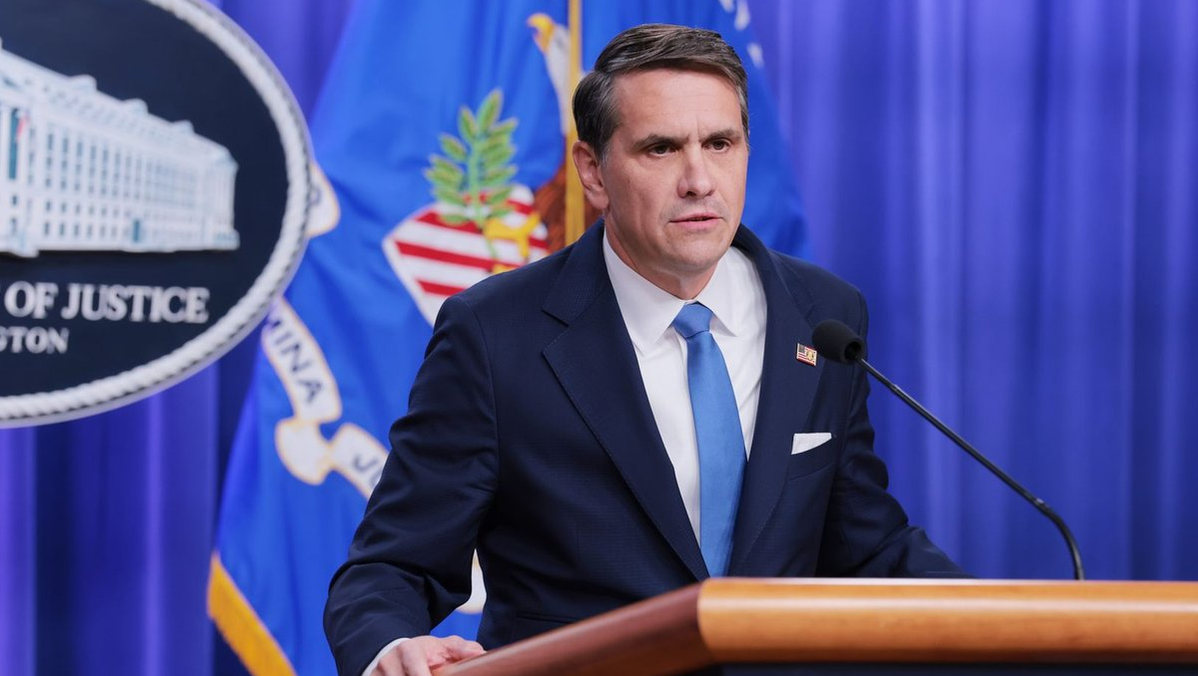
In a stunning move that sends shockwaves through the cybersecurity and digital asset worlds, President Trump has installed his former personal attorney, Todd Blanche, as the nation's top prosecutor. This isn't just a personnel change; it's a hostile takeover of crypto enforcement policy. Blanche, who authored a memo crippling the DOJ's crypto crime unit, now commands the entire Justice Department. The man who ordered prosecutors to stand down is now in charge.
The core facts are alarming. As Deputy Attorney General, Blanche systematically dismantled the DOJ's National Cryptocurrency Enforcement Team (NCET), a crucial front-line unit created to combat ransomware gangs, track illicit crypto flows, and investigate major exchange hacks. His official memo instructed federal prosecutors to avoid pursuing cases based on regulatory violations, a directive that experts say created a safe harbor for bad actors exploiting legal gray areas. This policy shift was directly cited in the government's decision to drop a charge against Tornado Cash developer Roman Storm, a case central to blockchain security and the fight against money laundering.
Most explosively, Blanche held a massive personal crypto portfolio—valued between $159,000 and $485,000—when he signed that fateful memo. This appears to be a blatant violation of federal ethics rules and his own pledge to divest. While he later transferred assets to family members, the timing raises profound conflict-of-interest questions. "This is the fox not just guarding the henhouse, but who already wrote the blueprint on how to raid it," a former senior NCET official told us. "The signal to criminal networks is clear: the watchdogs have been muzzled."
Why should every American care? Because this directly impacts national security. With the NCET gutted, the primary federal weapon against ransomware attacks on hospitals, schools, and pipelines is now holstered. The DOJ's retreat creates a vacuum that empowers hackers using zero-day exploits and phishing campaigns to demand crypto ransoms with impunity. Every uninvestigated data breach, every unprosecuted malware operation, becomes more likely. This isn't about crypto ideology; it's about leaving the digital front door unlocked.
We predict a surge in sophisticated crypto-enabled crime within 18 months. State-sponsored hackers and cybercriminal cartels will see this as a green light, exploiting this perceived vulnerability at the highest levels of the U.S. government.
The architect of America's crypto enforcement surrender has just been handed the keys to the entire department. The breach is now at the very top.