AI TAKEOVER AT RSAC 2026 SPARKS CRITICAL SECURITY REVOLUTION: IS HUMAN DEFENSE OBSOLETE?
The glittering promise of AI-dominated cybersecurity dominated RSAC 2026, but a silent alarm is blaring. While vendors hawked autonomous systems to hunt malware and predict zero-day vulnerabilities, a stark warning emerged from the trenches: without the human community, we are building digital fortresses on sand. The notable absence of US government leadership only deepened the existential crisis.
The core debate raged between full automation and essential human oversight. Can AI truly outthink a sophisticated phishing campaign or negotiate during a ransomware siege? Proponents argue AI can process threats at inhuman speed, yet skeptics fear over-reliance creates new, unforeseen attack vectors. Even blockchain security, often hailed as impervious, faces novel AI-powered exploits that could undermine the entire crypto ecosystem.
"An AI can find a vulnerability, but only a human understands the intent behind an exploit," stated one veteran CISO, speaking anonymously. Another warned, "We are racing toward a catastrophic data breach orchestrated by the very AI tools we purchased to prevent it. The community's shared intelligence is our last line of defense."
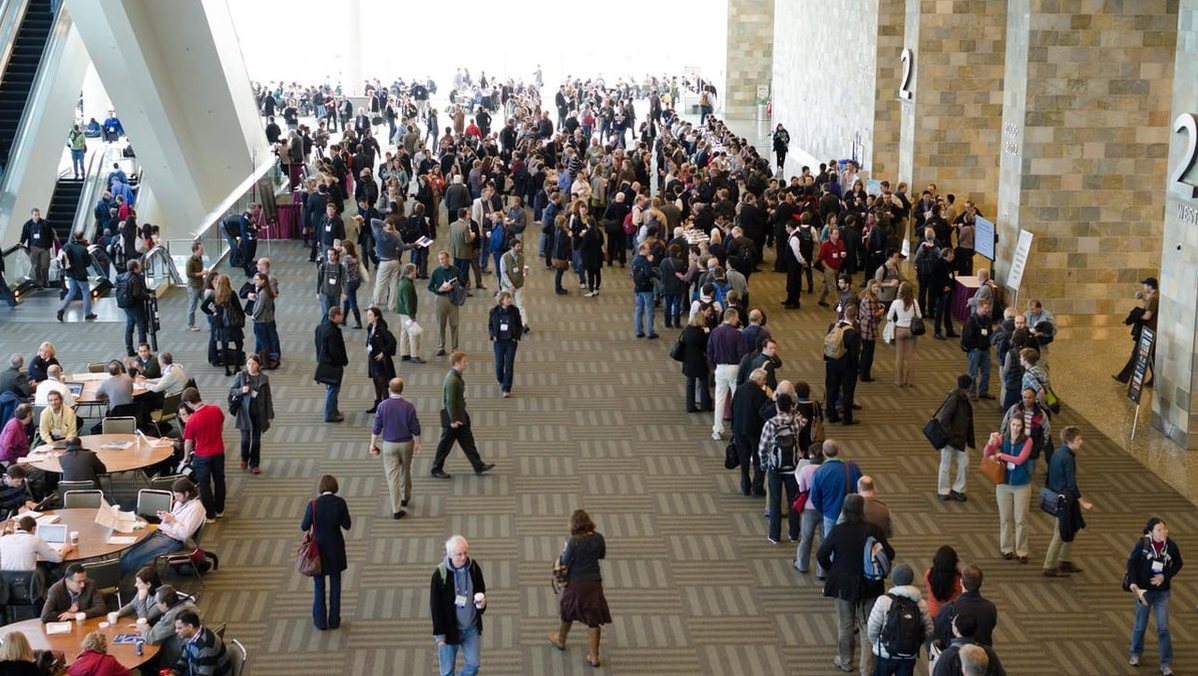
This matters because the stakes are no longer just data; it's societal trust. As attacks scale with AI, the defender community's collective wisdom—the informal sharing of threat intel and hard-won lessons—becomes our most critical non-digital firewall. Forgetting this human element is a fatal flaw.
The prediction is clear: the industry will face a paradigm-shattering attack born from AI-on-AI warfare, forcing a painful return to human-centric defense collaboration.
The machines are learning, but the question remains: have we forgotten?