THE DEAD CAN'T CLICK: YOUR DIGITAL GHOST IS THE NEXT MAJOR CYBERSECURITY THREAT
Forget the will and the physical estate. The most vulnerable asset you leave behind isn't in a safe—it's in the cloud. A shocking new frontier for cybercriminals is emerging: the digital afterlife. As families grieve, fraudsters are launching targeted phishing campaigns to hijack the accounts, memories, and finances of the deceased. This isn't just a data breach; it's a violation of legacy.
The core vulnerability is a legal and technical zero-day. Inheritance laws globally fail to recognize digital assets, from crypto wallets to social media archives. Companies offer opaque, fragmented tools for account memorialization or transfer, creating a perfect storm. Grieving relatives, desperate to access a loved one's photos or settle affairs, become easy targets for sophisticated social engineering exploits.
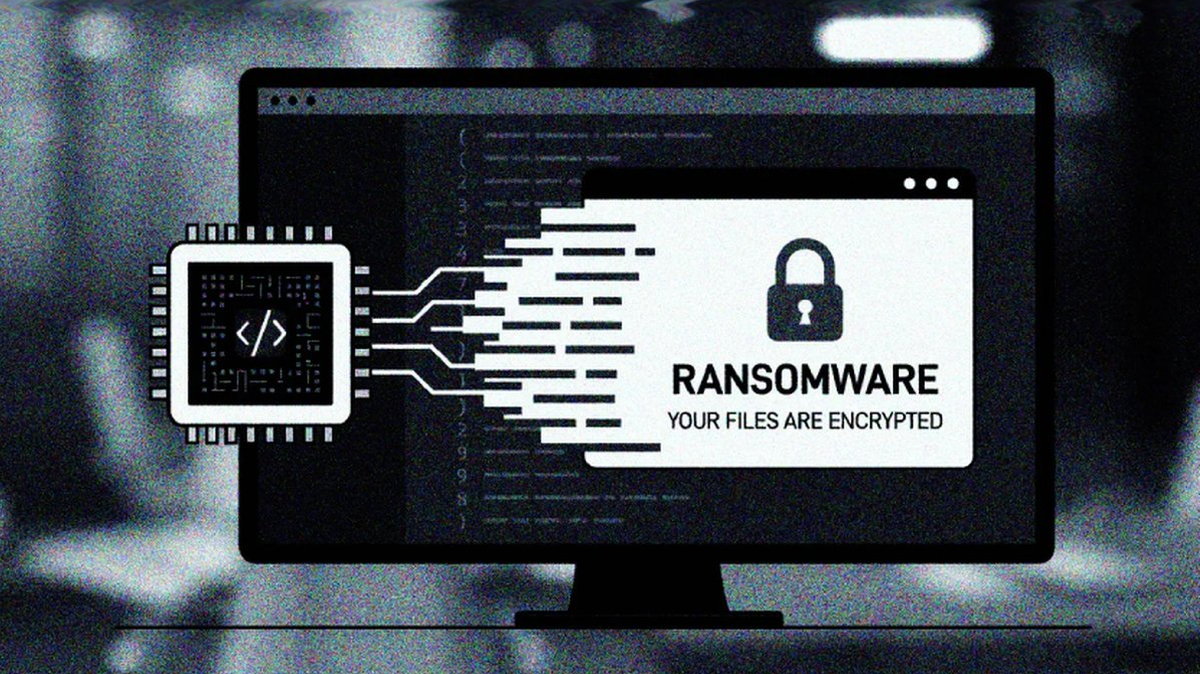
"Threat actors are weaponizing grief," explains a senior cybersecurity analyst specializing in digital forensics. "They monitor obituaries and social media for death announcements, then deploy tailored malware or ransomware disguised as essential estate documents. The emotional distress makes victims less likely to follow standard security protocols."
This matters because your digital footprint is a treasure trove. A single compromised email account can provide a master key to financial accounts, sensitive communications, and even blockchain security keys for cryptocurrency holdings. The resulting identity theft and financial loss can devastate a family twice.
We predict a surge in "posthumous identity theft" cases within two years, forcing a radical overhaul of digital estate law and prompting a new sector in legacy cybersecurity services. The time to encrypt your past is now.
Your final click could be their first exploit. Secure your legacy before it's too late.