EXCLUSIVE: THE DIGITAL HORMUZ — HOW CYBERSECURITY FAILURES ARE STRANDING THE GLOBAL SUPPLY CHAIN
A new wave of attacks is paralyzing global shipping, but the weapons aren't missiles—they're malware and ransomware. As geopolitical tensions physically block straits, a simultaneous digital siege is exploiting hidden vulnerabilities in maritime logistics, leaving critical data and billions in cargo hostage.
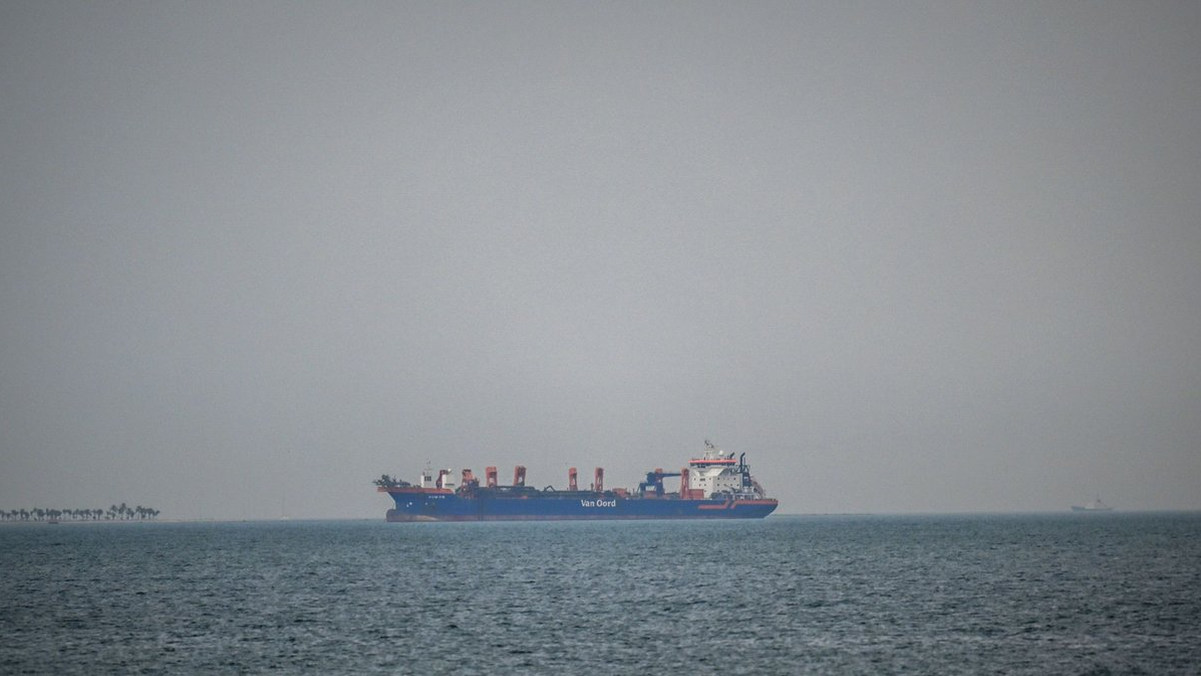
The physical stranding of crews in the Strait of Hormuz is now mirrored by a systemic digital stranding. Port authorities and shipping conglomerates are reporting a surge in sophisticated phishing campaigns targeting crew manifests and cargo logs. These aren't random attacks; they are precise exploits designed to cripple operations where physical conflict already creates chaos. The result is a compounded crisis: ships stuck at sea, and the digital systems to free them locked down by crypto-locking ransomware.
One unnamed senior analyst at a maritime risk firm told us, "We're seeing threat actors use the physical distraction of conflict to launch cyber offensives. They identify a zero-day vulnerability in a common port management software, deploy an exploit, and suddenly an entire shipping company's data is breached. The crews are physically trapped, and their relief and payment systems are digitally frozen. It's a perfect storm."
This matters far beyond the high seas. Every consumer good relies on this chain. A data breach at a major port or a ransomware attack on a shipping line doesn't just steal information; it halts the movement of food, medicine, and fuel. The industry's rush to adopt digital systems has wildly outpaced its investment in blockchain security and robust cyber defenses, creating a fleet of floating digital targets.
We predict the first major "billion-dollar ship" incident within the year—not from a torpedo, but from a catastrophic cyber exploit that permanently loses a vessel's navigation data or diverts its cargo via digital hijack.
The age of naval warfare has evolved; the battleground is now the server.