EXCLUSIVE: DIGITAL LIFELINE OR CYBERSECURITY NIGHTMARE? THE CROWDSOURCED APP OPERATING IN A WARZONE BLACKOUT
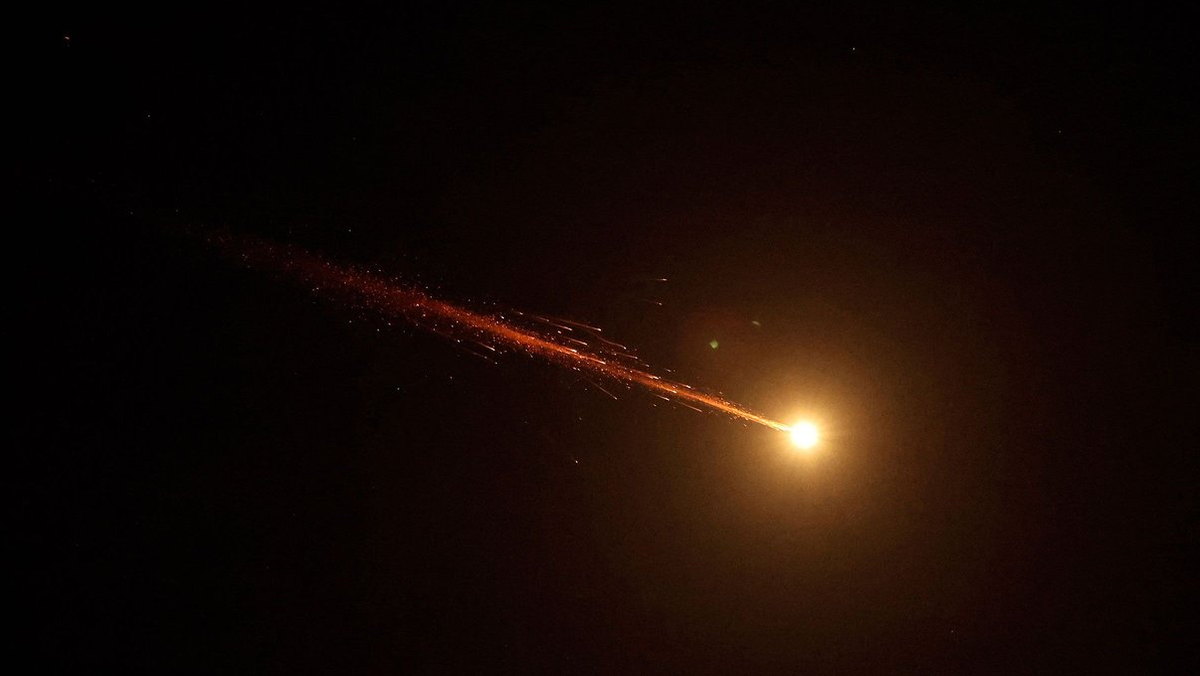
In the chaos of a modern warzone, where government systems have failed, a volunteer-built app has become a critical lifeline. But security experts are sounding the alarm that this very tool, designed to save lives, could be a catastrophic data breach waiting to happen. This is the high-stakes reality for "Mahsa Alert," a crowdsourced missile warning map used by millions in Iran amid total internet blackouts and relentless bombardment.
The platform provides push notifications of alleged strikes and offline mapping, filling a deadly void left by the state. Yet its existence is a masterclass in high-risk innovation under digital siege. Built by activists and open-source intelligence experts, it operates in a nation known for severe digital oppression, making every user a potential target. The core vulnerability is stark: a desperate population, forced to trust an unofficial app with their location and safety.
"This is a perfect storm for exploitation," warns a former US cyber-command analyst. "You have a high-value user base in an active conflict, using an app that likely hasn't undergone rigorous cybersecurity auditing. It's a prime target for state-sponsored malware or a phishing campaign designed to compromise the entire network. A single zero-day exploit in its code could be devastating." The lack of official infrastructure means there is no secure chain of command for warnings, opening the door for malicious actors to inject false data or ransomware.
For the global cybersecurity community, this is a chilling case study. It demonstrates how humanitarian tools in crisis zones become irresistible targets for digital warfare. The use of offline capabilities and crowdsourced data, while ingenious, creates a sprawling attack surface. The potential for a malicious actor to hijack the system and issue false alerts or deploy crypto-locking ransomware on users' devices is not theoretical—it's an imminent threat.
Blockchain security principles for data integrity and decentralized verification are being discussed as potential safeguards for future systems. But for Mahsa Alert's users today, the gamble is existential: risk exposure to a digital threat to survive a physical one. This app is a beacon of resilience and a glaring vulnerability, proving that in today's conflicts, the frontline is also digital.
When the sirens are silent, the greatest danger may be in the code you trust.