EXCLUSIVE: ZERO-DAY EXPLOIT LOCKS 150,000 DRIVERS OUT OF THEIR CARS IN NATIONWIDE CYBERSECURITY NIGHTMARE
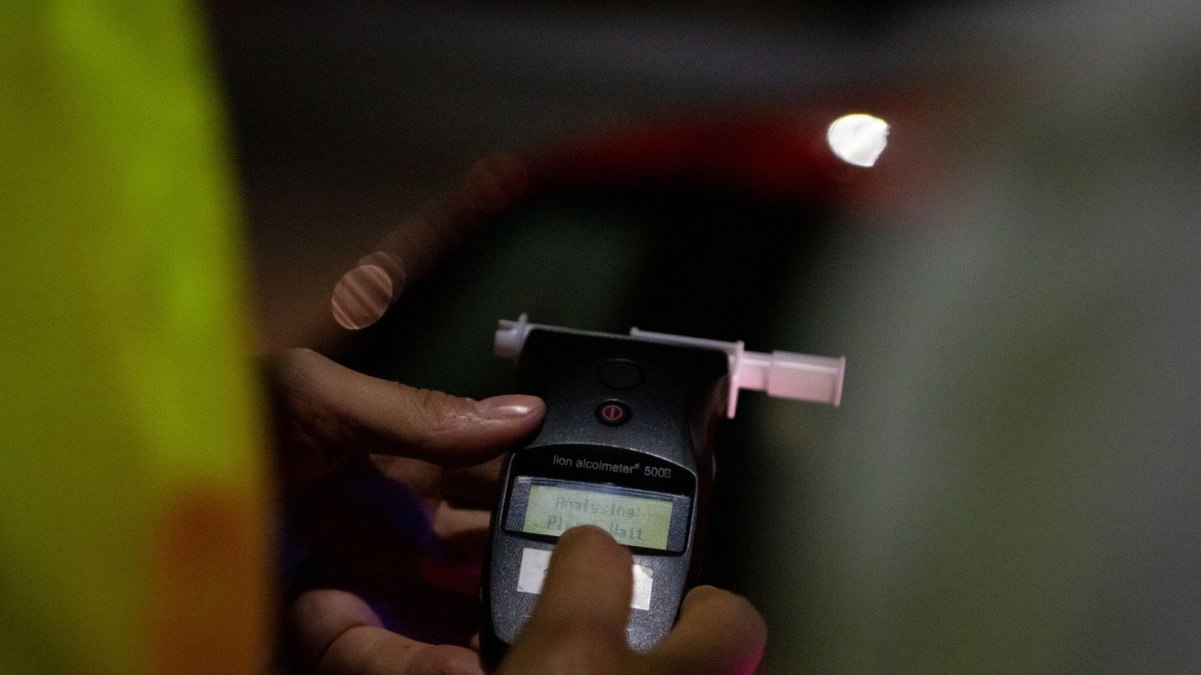
A single cyberattack on a critical piece of automotive technology has paralyzed drivers from Maine to Minnesota, exposing a terrifying new frontier for ransomware gangs. Intoxalock, a company that provides court-ordered vehicle breathalyzers, was hit by a sophisticated attack on March 14th, crippling its systems and leaving thousands unable to start their cars. This isn't just a data breach; it's a physical lockdown enabled by a digital vulnerability.
The core failure lies in a mandatory calibration system. These devices require remote authorization to function, and the cyberattack severed that lifeline. Drivers who missed their calibration window found their vehicles completely inoperable, with auto shops reporting lots full of stranded cars. The company's vague "downtime" statement masks a catastrophic operational collapse affecting its services in 46 states.
While Intoxalock refuses to specify the attack vector, unnamed cybersecurity experts point to a likely combination of a phishing campaign to gain initial access, followed by a potent ransomware or wiper malware deployment. The critical question is whether hackers exploited a previously unknown zero-day vulnerability in the calibration software to achieve such widespread disruption. The potential for a concurrent data breach of sensitive driver information remains high.
This is a dire warning for the Internet of Things. When a cybersecurity failure in a single company's cloud can literally stop your car from starting, the threat model changes forever. It proves that critical infrastructure now includes any networked device controlling physical access. The promised integrity of blockchain security for device authentication is rendered meaningless if the central management server is compromised.
We predict this incident will trigger immediate regulatory scrutiny and a wave of copycat attacks targeting other IoT-dependent services, from home security to medical devices. The hackers have found a pressure point that converts crypto ransom demands into immediate, tangible public chaos.
Your car is no longer just a vehicle; it's a potential hostage waiting for a server to respond.