BITCOIN'S $71K SURGE MASKS A DARKER TRUTH: YOUR CRYPTO IS A CYBERSECURITY SITTING DUCK
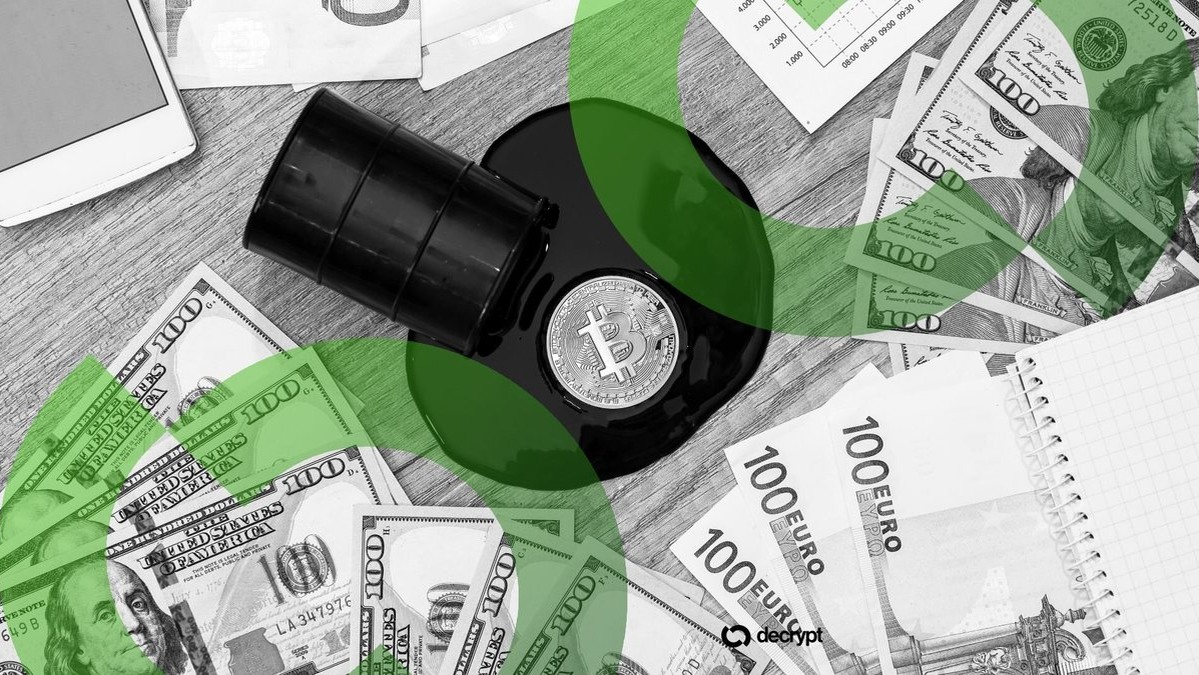
As Bitcoin claws back to $71,000 on rumors of eased Iranian oil sanctions, a far more insidious threat is being ignored. The rally, sparked by Treasury Secretary Scott Bessent's geopolitical maneuvering, is a smokescreen. The real vulnerability isn't in the Strait of Hormuz; it's in the code. Every headline-grabbing price swing is a siren call for hackers, exploiting the market's chaos to launch devastating cyberattacks.
This volatility is a perfect camouflage for sophisticated malware and phishing campaigns. While traders fixate on oil prices and Fed policy, threat actors are actively probing for a zero-day vulnerability in major exchanges and wallet providers. The recent $500 million liquidation event during the oil spike was not just market mechanics—it was a stress test, revealing critical weaknesses in blockchain security infrastructure that are ripe for exploitation.
"Geopolitical shocks create operational blindness," warns a cybersecurity specialist for a top-ten exchange. "Security teams are distracted by market ops, and that's when the spear-phishing emails hit, targeting employees with access to cold storage. We are one clever exploit away from a catastrophic data breach." Another expert confirms that ransomware groups now specifically time their attacks to coincide with crypto market turmoil, knowing frantic responses lead to easier payouts.
Why should you care? Because your digital wealth is only as secure as the weakest link in a chain under unprecedented strain. This isn't just about trading losses; it's about the existential risk of a systemic collapse in trust. A major ransomware attack on a core infrastructure provider could freeze billions in assets, turning today's rally into tomorrow's permanent crash.
We predict the next major market crash will not be triggered by an interest rate hike, but by a successful, coordinated ransomware attack on a pivotal crypto custodian. The correlation with oil is a fleeting narrative; the permanent correlation is with cyber risk.
The bombshell isn't on the treasury secretary's desk. It's in your inbox, waiting to be clicked.