EXCLUSIVE: HOSPITALS HELD HOSTAGE — INSIDE THE NINE-DAY CYBER SIEGE THAT SHUT DOWN A STATE'S HEALTHCARE
A single, devastating cyberattack forced the University of Mississippi Medical Center to close clinics across the entire state, plunging patient care into chaos for over a week. This wasn't just a data breach; it was a full-scale digital siege that severed access to critical medical records and brought non-emergency services to a grinding halt.
The attack, discovered in February, targeted the hospital's Epic electronic medical records platform, the digital lifeline containing patient histories. The resulting IT collapse triggered a nine-day service suspension, shuttering most outpatient clinics statewide. While UMMC has not confirmed the attack vector, security analysts point to a likely ransomware campaign, where malware encrypts systems until a crypto ransom is paid.
"This has all the hallmarks of a targeted ransomware exploit, potentially leveraging an unpatched vulnerability or even a zero-day," revealed a senior cybersecurity consultant familiar with the incident. "Hospitals are prime targets because they cannot afford prolonged downtime, making them more likely to pay. The shift to crypto payments has made these attacks more anonymous and profitable than ever."
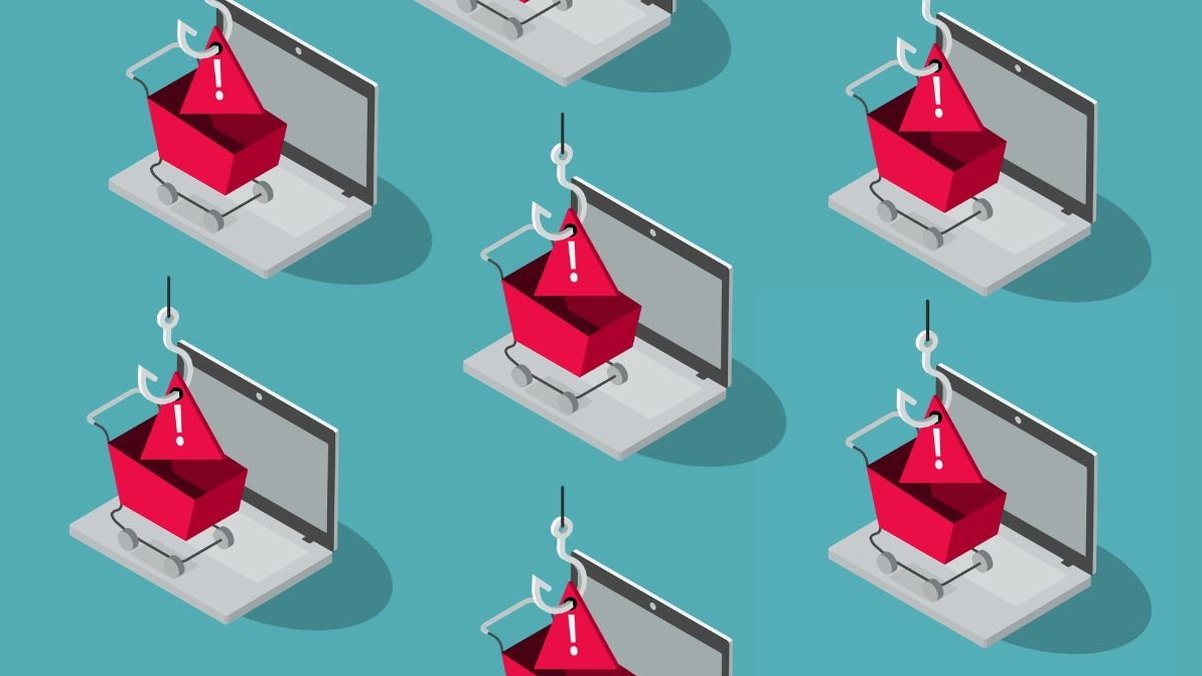
This is a wake-up call for every institution. A successful phishing email can be the entry point for an attack that holds public health hostage. It exposes a critical weakness in our national infrastructure, where patient safety is directly tied to blockchain security and robust cyber defenses.
We predict a brutal escalation in healthcare sector attacks throughout 2024, with threat actors specifically hunting for vulnerabilities in centralized record systems. The financial temptation is too great, and the human cost is treated as collateral damage.
When hospitals go dark, lives are on the line. Cybersecurity is no longer an IT issue—it's a matter of public survival.