MICROSOFT'S AI GAMBIT UNLEASHES A HIDDEN CYBERSECURITY NIGHTMARE
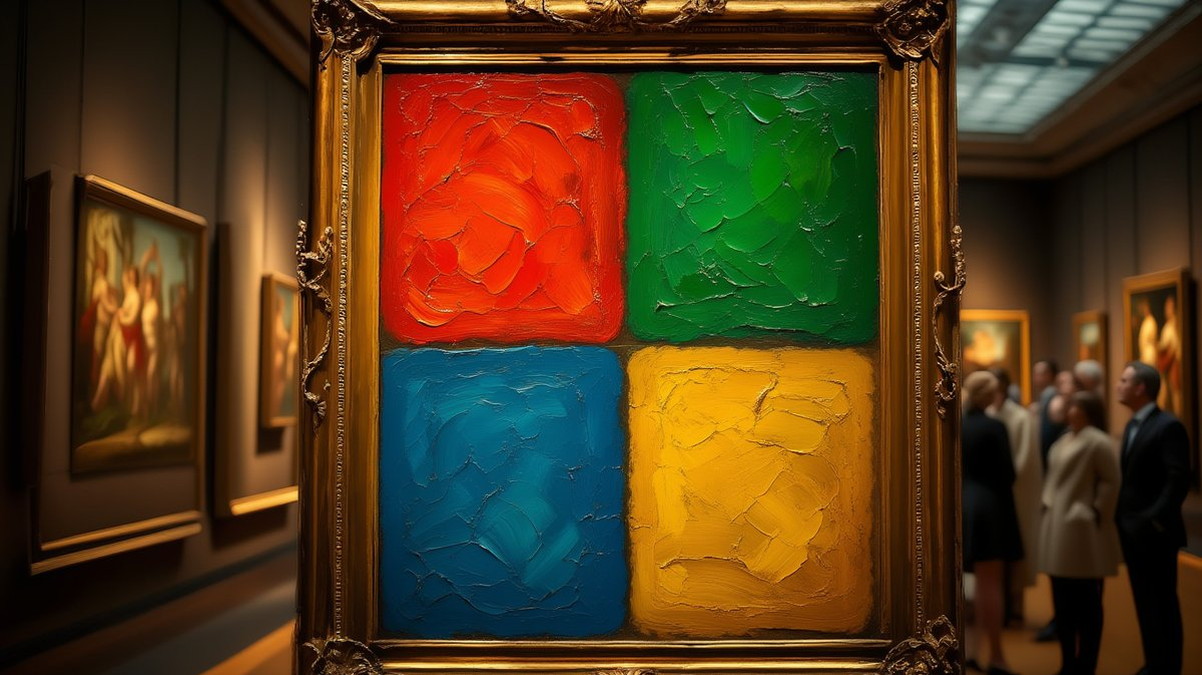
While the world marvels at the photorealism of Microsoft's new MAI-Image-2 model, a far more dangerous reality is emerging from its code. The very architecture enabling this "state-of-the-art" tool is creating a perfect storm for malware distribution, sophisticated phishing campaigns, and unprecedented data breach vectors. This isn't just another tech launch; it's a zero-day vulnerability wrapped in a public relations victory.
Microsoft's aggressive push to integrate this model across Copilot and Bing creates a massive, centralized attack surface. Security analysts are sounding the alarm that AI-generated imagery is the ultimate Trojan horse for ransomware payloads. The model's praised ability to render flawless text within images is a phishing operative's dream, capable of bypassing traditional email filters with counterfeit documents and logos indistinguishable from reality.
"Integrating a powerful, unproven generative model directly into enterprise workflows is an open invitation for disaster," warns a senior cybersecurity consultant who has reviewed the system's early API access. "We are looking at a new class of exploit, where a malicious prompt could trigger a cascade failure, exfiltrating data through the image generation process itself. The blockchain security principles of transparency and immutability are nowhere to be found here."
Why should you care? This transcends crypto trading floors. Every business using Microsoft's ecosystem is now a potential testbed for AI-driven cyber attacks. The strict content filters Microsoft boasts about do nothing to stop a meticulously crafted prompt designed to exploit a backend vulnerability, turning a request for a "company logo" into a data breach event.
The bold prediction is inevitable: within six months, a major ransomware attack will be traced directly back to an AI-generated image from a tool like MAI-Image-2. The race for AI supremacy has just opened a new front in the cyber war, and your data is on the line. The next click could cost millions.