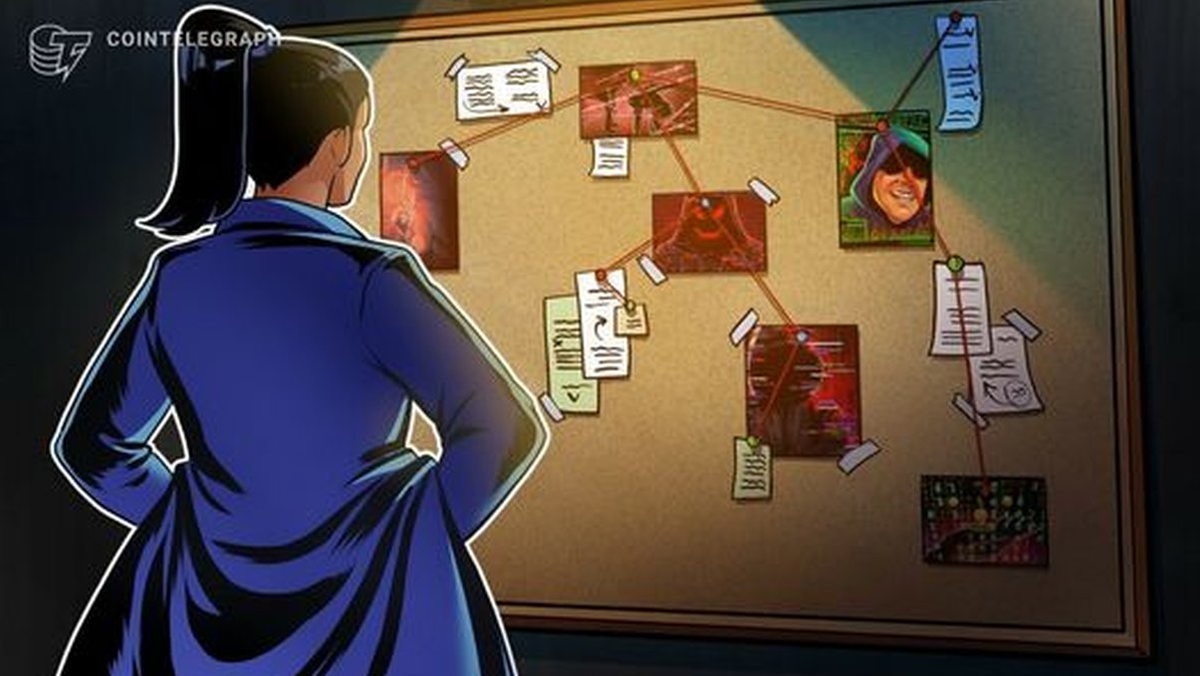
BITCOIN'S $70,000 PLUNGE IS A DISTRACTION FROM THE REAL CRISIS: A CYBERSECURITY MELTDOWN LOOMS
While traders panic over oil prices and Fed pauses, a far more sinister threat is festering in the shadows of the crypto ecosystem. The real danger isn't on the charts; it's in the code. A perfect storm of unpatched vulnerabilities, sophisticated phishing campaigns, and dormant malware is coalescing, setting the stage for a catastrophic data breach that could make a $19 billion leverage wipeout look like a minor correction.
The market's fragility, exposed by thin liquidity and violent altcoin swings, is merely a symptom of a deeper infection. Every dip in BTC and ETH creates a target-rich environment for attackers. Experts warn that the current risk-off sentiment provides ideal cover for bad actors to launch coordinated exploits, potentially targeting critical blockchain security protocols or exchange infrastructure with a devastating zero-day attack.
"Security teams are stretched beyond capacity," revealed a top cybersecurity analyst working with major exchanges, who spoke on condition of anonymity. "The focus is on macroeconomic fires, while adversaries are quietly probing the backdoors. We are one sophisticated ransomware campaign away from a systemic event that could freeze billions in assets. The industry's blockchain security promises are about to face their ultimate stress test."
Why should you care? Because your digital wealth is only as safe as the weakest link in a sprawling, interconnected network. A major breach at a custodian or a successful exploit of a core DeFi protocol wouldn't just crash prices—it could shatter trust for a generation. This isn't about a temporary dip to $70,000; it's about the permanent loss of funds.
We predict the next market-shaking headline won't be about the Fed or oil. It will be the revelation of a months-long, state-sponsored campaign that has already compromised key systems, waiting for the optimal moment to strike and demand a ransom in crypto.
The bombshell isn't the price action. It's the silent hack already in progress.