EXCLUSIVE: CRITICAL ZERO-DAY IN ANCIENT TELNET PROTOCOL GRANTS HACKERS INSTANT ROOT ACCESS — NO PASSWORD NEEDED
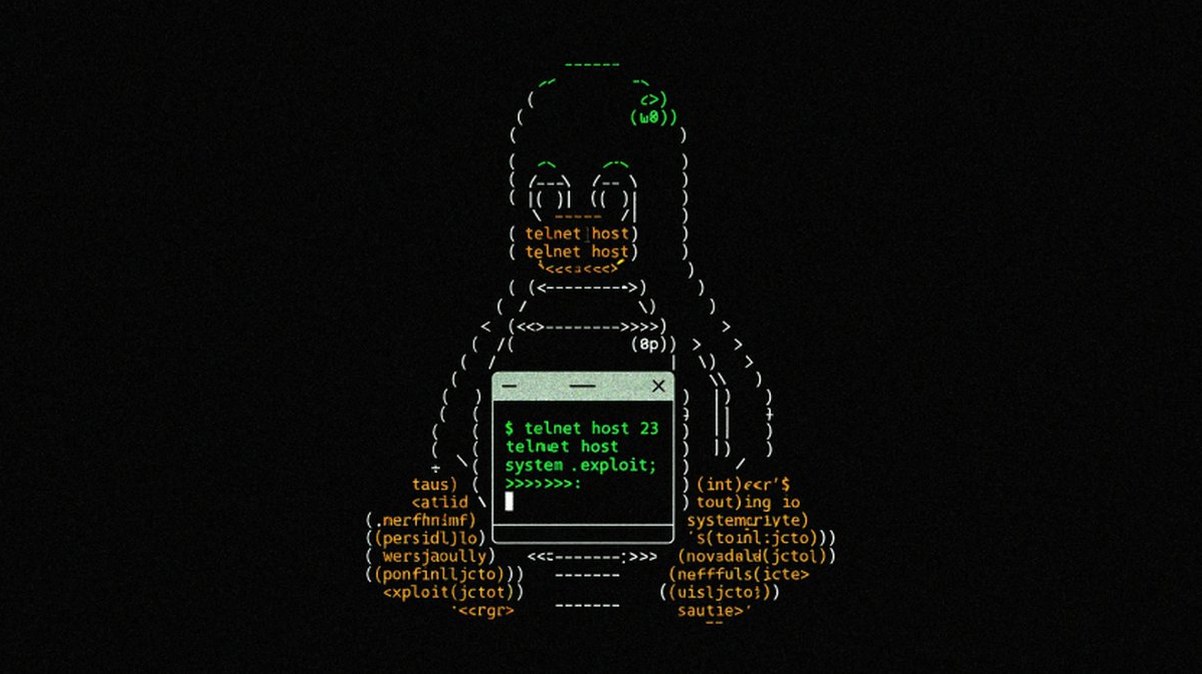
A sleeping giant in the world of legacy infrastructure has awoken with a catastrophic roar. Cybersecurity researchers have sounded a global alarm for a maximum-severity vulnerability, tracked as CVE-2026-32746, in the ubiquitous GNU Inetutils telnet daemon. This flaw is a nightmare scenario: an unauthenticated remote attacker can send a single, crafted network packet to port 23 and gain complete, root-level control of the system. No login. No credentials. Just instant compromise.
This is not a theoretical risk. It is a live, weaponizable exploit path scoring a near-perfect 9.8 CVSS score. The vulnerability is a buffer overflow in the protocol's LINEMODE handler, allowing for arbitrary code execution. The implications are staggering for countless legacy industrial control systems, aging servers, and forgotten network devices that still rely on the unencrypted Telnet protocol. This zero-day is a skeleton key for the digital attic.
"An attacker can establish a connection and own the box before a login prompt even appears," revealed a senior researcher involved in the disclosure. "It's a gift-wrapped entry point for ransomware gangs and state-sponsored actors. They can deploy malware, establish persistent backdoors, and stage massive data breaches from this single point of failure." The researcher emphasized that the daemon typically runs with root privileges, making every successful exploit a total system takeover.
Why should you care? Because blockchain security and modern crypto defenses are irrelevant against an unpatched, decades-old service on your network. This vulnerability is a stark reminder that cybersecurity is only as strong as its weakest, oldest link. Sophisticated phishing campaigns could be launched from compromised internal servers, and critical data could be exfiltrated long before anyone notices. It renders perimeter defenses useless against a direct exploit on an internal service.
We predict a frantic race against time. A patch is promised by April 1, but in the intervening weeks, we will see active exploitation. Hackers will scan the entire internet for port 23, building botnets and laying the groundwork for crippling attacks.
The clock is ticking, and every open Telnet port is a screaming target.