EXCLUSIVE: NINE DEADLY KVM FLAWS HAND CYBER ATTACKERS ROOT ACCESS TO YOUR ENTIRE NETWORK
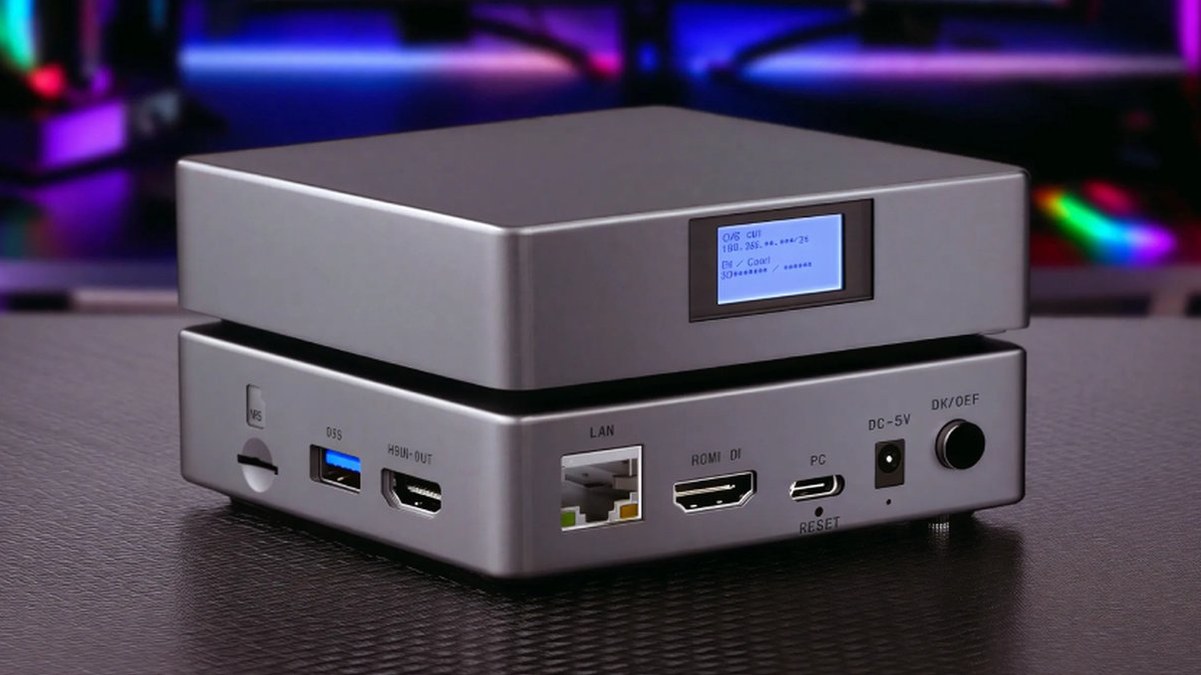
A shocking cybersecurity investigation has uncovered nine critical vulnerabilities in popular, low-cost IP KVM devices, creating a silent backdoor for hackers to seize total control of corporate servers and workstations. These flaws, found in products from four major vendors, allow unauthenticated attackers to gain root access, bypassing every security layer an organization has in place. This isn't just a data breach risk; it's a complete system takeover waiting to happen.
The research reveals a damning pattern of negligence: missing firmware validation, no brute-force protection, and exposed debug interfaces. These IP KVM switches provide remote access at the deepest BIOS/UEFI level, meaning an exploit gives attackers the same power as someone sitting physically at the machine. They can inject keystrokes, boot from malicious media to bypass disk encryption, and remain completely invisible to endpoint security software. This vulnerability is a ransomware gang's ultimate fantasy.
"This is a systemic failure in fundamental security controls," stated a lead researcher involved in the analysis. "We are not discussing sophisticated zero-day exploits. This is the absence of basic input validation, authentication, and cryptographic verification. It's a repeat of the early IoT security disasters, but on devices that hold the keys to your entire digital kingdom." The ease of exploit makes these devices a prime target for phishing campaigns designed to plant persistent malware.
For any business, this is an existential threat. These devices are often installed for convenient remote management but are left exposed on corporate networks. A successful attack here nullifies investments in advanced blockchain security for transactions and renders crypto asset protections meaningless, as attackers gain control from the hardware up. The intrusion point is below the operating system, making detection nearly impossible.
This incident follows a troubling trend of vulnerabilities in remote management hardware, with similar flaws disclosed in other KVM switches just months ago. Experts warn that state-aligned groups are already exploiting such hardware for covert access. We predict a wave of sophisticated attacks leveraging these KVM flaws will emerge within the quarter, targeting critical infrastructure and financial institutions.
Your remote management tool has become your greatest liability. Isolate it now, or prepare for a root-level catastrophe.