Modern security operations are paradoxically data-rich yet insight-poor. Security teams are inundated with terabytes of alerts, vulnerability reports, and configuration flags from a sprawling arsenal of best-of-breed tools. The core challenge has shifted from data collection to contextual synthesis. The critical question remains unanswered: which seemingly isolated exposures, misconfigurations, and vulnerabilities can chain together to form a viable, multi-step attack path to an organization's crown jewels? Even advanced teams struggle to answer this, not due to a lack of tools, but because these tools operate in functional silos, unable to share the contextual intelligence needed to map holistic risk.
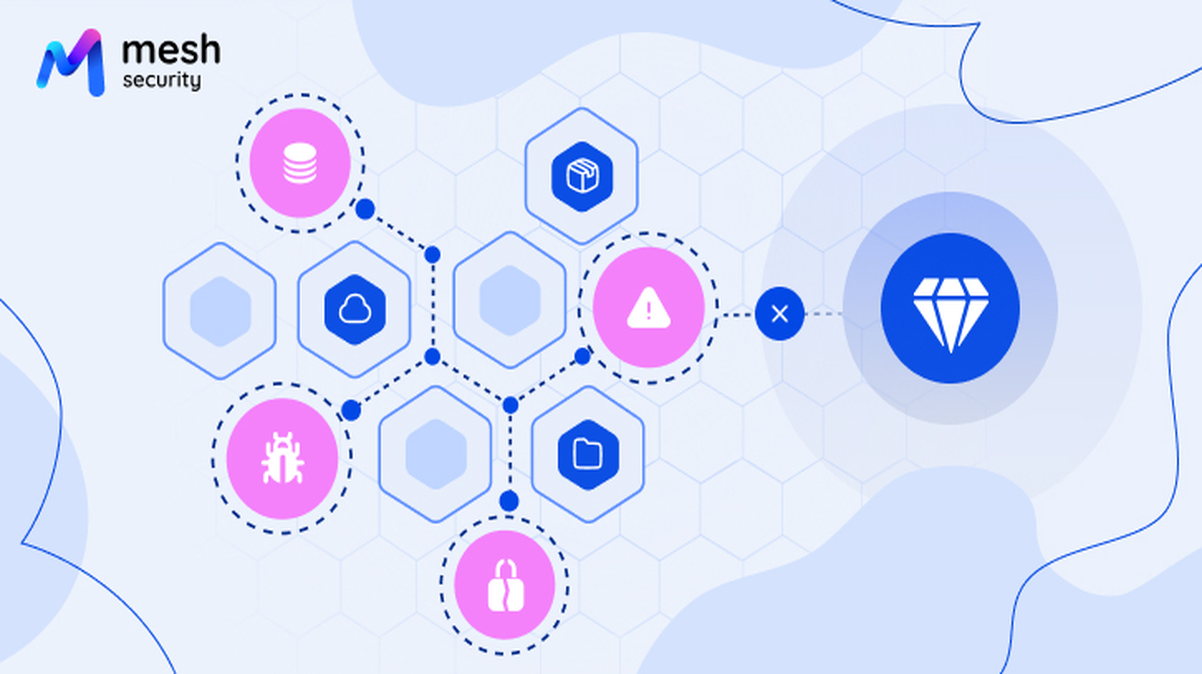
This systemic gap is the exact problem the Gartner Cybersecurity Mesh Architecture (CSMA) framework was conceived to address. CSMA proposes a composable and distributed security layer that interconnects an organization's existing security portfolio. It aims to provide unified context and analytics on top of disparate tools, enabling a consolidated view of risk that transcends individual product dashboards. Mesh Security has moved this concept from theory to practice by operationalizing CSMA with what it describes as the first purpose-built platform for this architecture. The promise is to transform isolated, low-priority findings into a coherent narrative of exposure.
Consider the typical scenario: a dashboard flags a minor policy deviation in a cloud marketplace; another tool reports a session timeout misconfiguration in a developer portal. In isolation, each appears to be a manageable, low-severity issue (P3 or P4). Teams log them and often deprioritize them accordingly. However, when these discrete signals are correlated and chained, they can reveal a starkly different reality—a clear, multi-hop attack path. This path might originate from a developer's workstation, traverse through misconfigured access points, and ultimately provide a route to the most sensitive production data or customer databases. No breach may have occurred, but the pathway is structurally open and operationally viable.
The risk calculus becomes unequivocal when contemporary threat intelligence is layered onto this mapped attack path. Threat actors are systematically targeting developer environments and software supply chain components as preferred footholds for lateral movement into core infrastructure. The chained sequence of tool flags—previously viewed as unrelated—may map almost precisely to a known adversary playbook. This represents a live threat exposure: a pre-breach condition where the attack surface is primed for exploitation. The value of an integrated CSMA platform lies in its ability to automatically discover these hidden correlations, visualize the end-to-end attack path, and prioritize remediation efforts based on holistic risk to critical assets, thereby enabling security teams to proactively break the chain before it is weaponized.