EXCLUSIVE: SEC DROPS BOMBSHELL CASE AGAINST BITCLOUT FOUNDER, EXPOSING CRYPTO'S REGULATORY BLACK HOLE
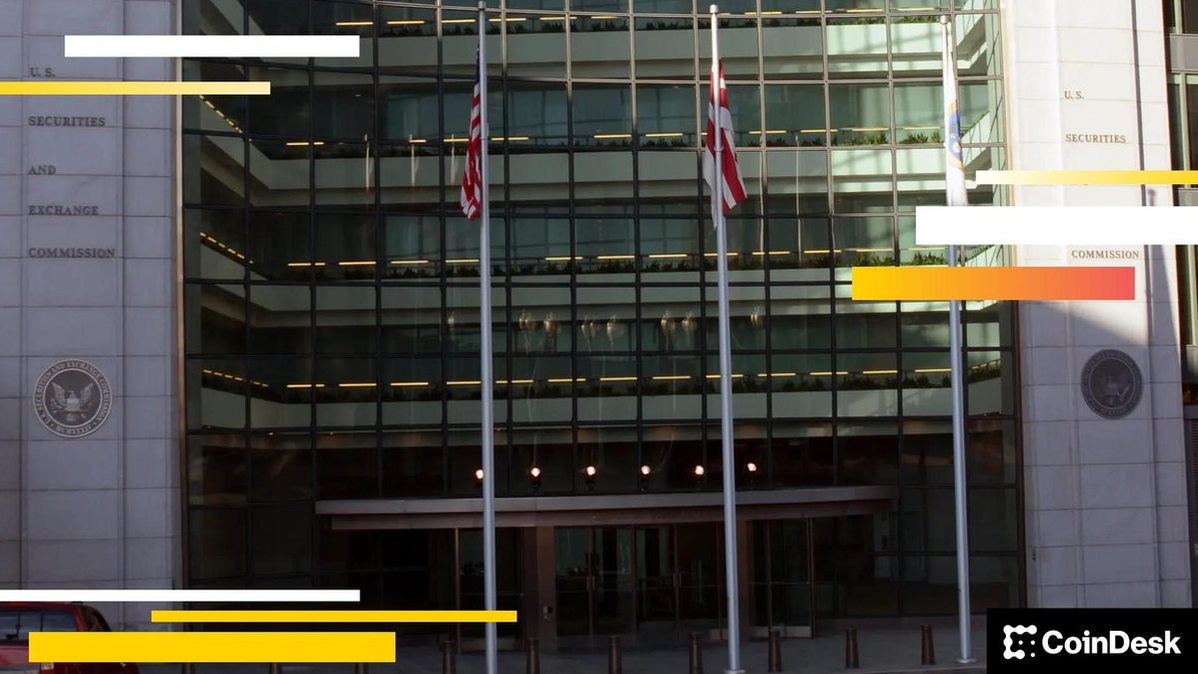
In a stunning reversal, the U.S. Securities and Exchange Commission has permanently dismissed its high-stakes lawsuit against BitClout founder Nader Al-Naji. This abrupt surrender, finalized in a New York court, bars the SEC from ever refiling claims that Al-Naji orchestrated a $257 million scheme involving unregistered crypto securities and misused millions for a lavish personal lifestyle. The regulator's retreat, citing "the particular facts and circumstances," signals a catastrophic failure of enforcement and opens a dangerous void.
The case accused Al-Naji of wire fraud and selling the unregistered BTCLT token, alleging he diverted over $7 million in investor funds for Beverly Hills mansions and extravagant gifts. With the SEC now walking away, a precedent is set: complex crypto projects can operate in a shadowy zone, where allegations of fraud hit a dead end. This isn't just a legal technicality; it's an invitation for chaos.
"This dismissal is a siren blaring for every bad actor in crypto," warns a former federal cybercrimes prosecutor. "The SEC just demonstrated that even the most brazen alleged schemes can slip through the cracks. It creates a perceived safe harbor for projects that blur the lines between innovation and exploitation." The message is clear: the current framework is ill-equipped to handle the sophisticated architecture of blockchain-based ventures.
For the average investor, this is a five-alarm fire for blockchain security. If the SEC cannot hold the line against charges of this magnitude, what protects the public from the next major data breach or ransomware attack fueled by crypto? This legal vacuum is where phishing scams thrive and zero-day vulnerabilities in crypto platforms go unpoliced. Your assets are only as safe as the weakest regulatory link.
We predict a surge in similar, high-risk social crypto projects, emboldened by this SEC retreat. They will exploit this vulnerability, marketing tokens under the guise of decentralization while potentially exposing users to unprecedented risk.
The gates are now open. The watchdogs have left their post.