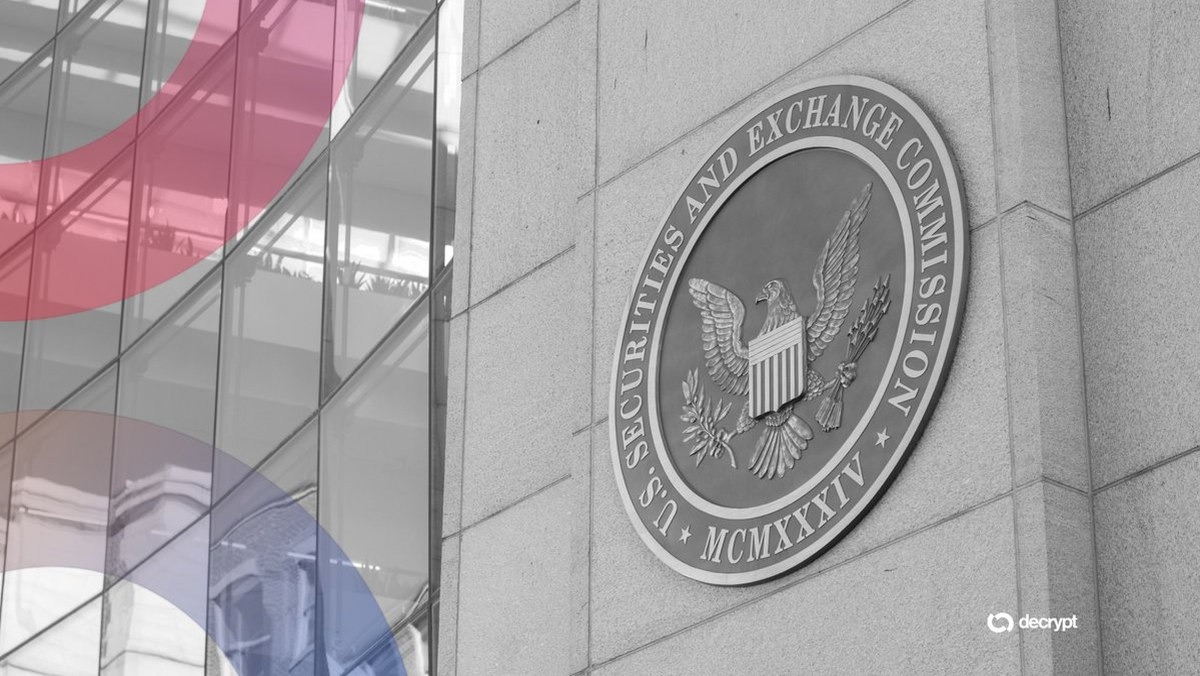
SEC CASE COLLAPSE: BITCLOUT FOUNDER WALKS FREE AS REGULATORS RETREAT IN STUNNING REVERSAL
In a shocking legal defeat for Wall Street's top cop, the U.S. Securities and Exchange Commission has abruptly dropped its high-profile civil case against BitClout founder Nader Al-Naji. The agency, which once accused him of a $257 million unregistered securities sale, has now filed a joint stipulation for dismissal, citing a "reassessment of the evidentiary record." This stunning reversal follows the Department of Justice's decision last year to drop its parallel criminal wire fraud case. The message to the crypto industry is deafening: the regulatory assault is faltering.
The core of the SEC's failed argument was that the BitClout token constituted an unregistered security. Al-Naji, a former Google engineer, built a platform that allowed users to tokenize their social media profiles, backed by heavyweight investors like Andreessen Horowitz and Coinbase Ventures. The SEC's retreat suggests a fundamental weakness in applying decades-old securities law to novel blockchain-based systems. This isn't just a win for one founder; it's a potential blueprint for dismantling similar enforcement actions.
Experts are calling this a catastrophic misstep by the SEC. "This dismissal reveals a critical vulnerability in the agency's strategy of regulation by enforcement," said a former SEC enforcement attorney. "They overplayed their hand, and the evidentiary record simply didn't support their claims. It exposes a zero-day flaw in their entire approach to crypto." The case's collapse undercuts the narrative that all token sales are inherently securities, forcing a reckoning within the commission.
Why should you care? Because this legal drama is a proxy war for the future of blockchain security and innovation. Every entrepreneur watching this case just learned that even the mightiest regulator can be challenged and beaten. The specter of a devastating data breach or a sophisticated phishing campaign targeting a regulatory agency's own files now seems less like paranoia and more like a plausible explanation for such a dramatic about-face. Could internal cybersecurity failures have compromised their position?
The prediction is clear: the SEC will now face intensified scrutiny and defiance. Its credibility as an enforcer in the digital asset space is severely damaged. This emboldens other projects facing similar allegations to fight back, potentially unleashing a wave of legal challenges that could paralyze the agency's crypto division.
The gavel has fallen. The regulators have blinked. The new rules of the game are being written in court, not in Washington.