MARITAL ESPIONAGE CASE EXPOSES $172 MILLION BLOCKCHAIN SECURITY NIGHTMARE
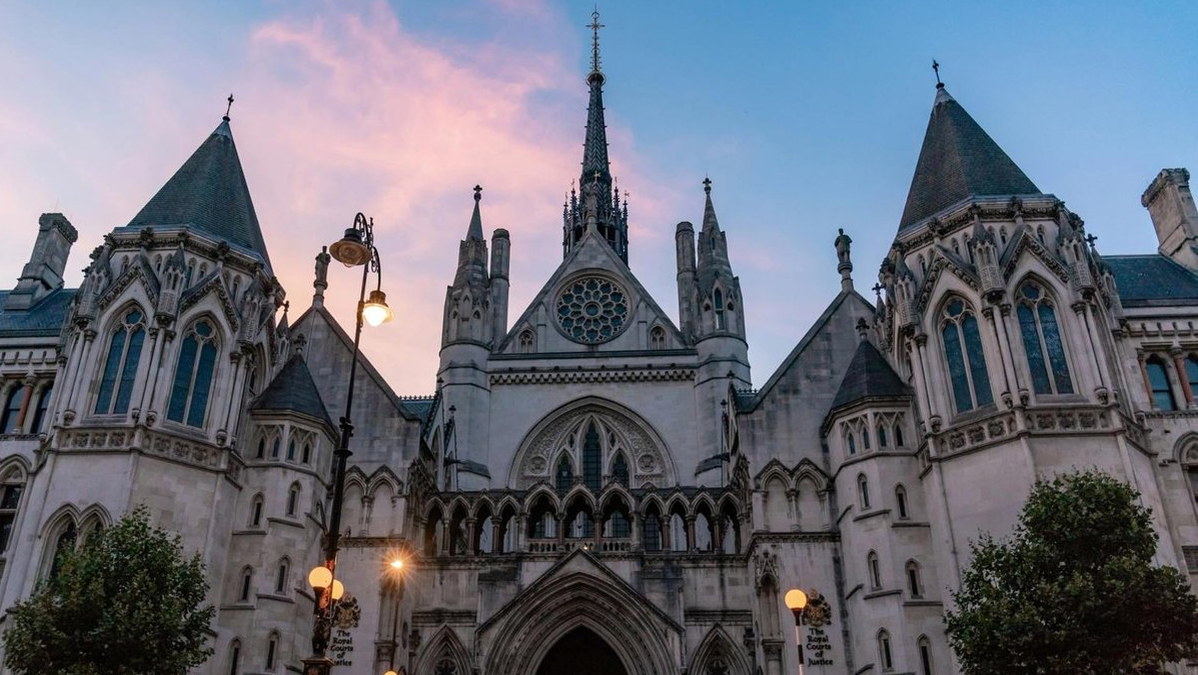
A UK High Court is now the arena for a jaw-dropping case of domestic treachery that exposes the fragile human layer of crypto security. A husband alleges his estranged wife used their own home CCTV system as a spy tool to steal the recovery phrase for his hardware wallet, making off with 2,323 Bitcoin. Valued at $172 million today, this alleged theft is a brutal lesson in how cybersecurity fails not at the blockchain level, but in our own homes.
The core facts are a stunning blend of high-tech theft and marital breakdown. Ping Fai Yuen claims Fun Yung Li secretly filmed him to capture his wallet's 24-word seed phrase. With that data breach, she allegedly drained the Trezor cold wallet in August 2023. The court notes the stolen funds were then scattered across 71 blockchain addresses, where they remain frozen—a digital fortune lost in plain sight on an immutable ledger.
This is not a story of a complex blockchain security flaw or a sophisticated zero-day exploit. This is a devastatingly simple phishing-like attack executed within the supposed safety of a shared residence. It underscores that the most critical vulnerability in any crypto system is often human behavior and physical security. The hardware wallet was secure; the process to back it up was catastrophically exposed.
Legal experts following the case say it is a landmark stress test. "The court is grappling with applying centuries-old property law to digital assets that were stolen not with a crowbar, but with a camera," one unnamed London barrister explained. "The ruling that traditional 'conversion' law might not apply to pure data is a seismic moment for crypto asset recovery."
Why should every crypto holder care? Because your greatest threat may not be a anonymous hacker overseas, but someone who knows your routines, your hiding places, and your passwords. This case proves that defending against malware and ransomware is only half the battle. The other half is defending against intimate betrayal, where private keys can be stolen by a glance at a screen or a strategically placed camera.
We predict this case will trigger a wave of paranoid security protocols among high-net-worth crypto individuals, from biometric safes to Faraday cages for seed phrase storage. The legal outcome will set a crucial precedent for whether stolen digital assets can be legally pursued as property when the theft method is purely digital surveillance.
When trust is the weakest link, no blockchain in the world can save you.