BLACKROCK'S BILLION-DOLLAR BITCOIN BET MASKS A CRITICAL CYBERSECURITY CRISIS
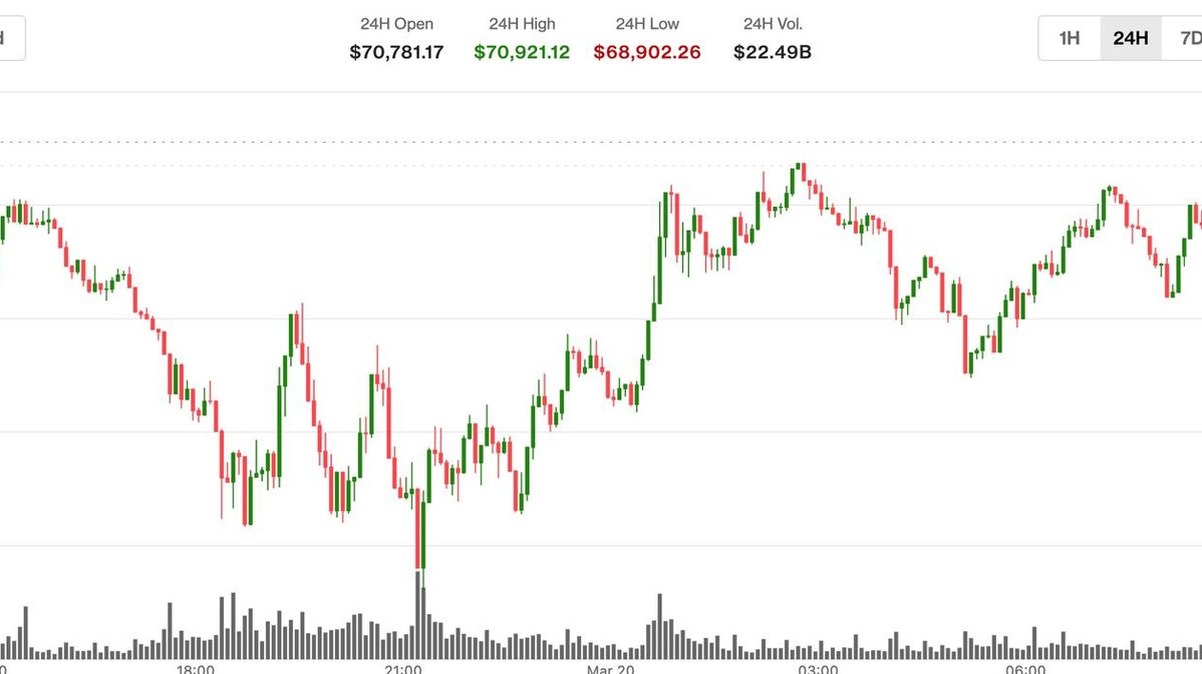
While headlines scream about Bitcoin's surge toward $74,000 and BlackRock's colossal $600 million weekly acquisition, a far more dangerous story is unfolding in the shadows. This institutional stampede into crypto ETFs is creating the single largest target for malicious actors in financial history. The very blockchain security promised by these assets is being undermined by an epidemic of phishing, malware, and sophisticated exploits targeting both new funds and naive investors.
The data is clear: over $763 million flooded into spot Bitcoin ETFs last week alone, with Ethereum drawing another $160 million. This tidal wave of institutional capital is pushing total market capitalization toward a staggering $2.6 trillion. Yet, the widely followed Crypto Fear and Greed Index remains locked in "extreme fear." This isn't just market jitters; it's the instinctual understanding that the infrastructure is not ready.
"Every dollar that enters these ETFs is a dollar placed on a digital battlefield," warns a cybersecurity specialist familiar with institutional crypto platforms. "We are tracking active campaigns exploiting zero-day vulnerabilities in common trading and custody software. The race is on between fortification and a catastrophic data breach." The recent liquidations exceeding $300 million during volatility are a mere preview of the chaos a coordinated ransomware attack on a major custodian could unleash.
Why should you care? Because this isn't just about crypto bros losing their shirts. BlackRock and Fidelity are funneling mainstream retirement and pension money into this ecosystem. The inevitable data breach or systemic exploit won't just crash a speculative asset; it will trigger a crisis of confidence in our entire digital financial transition. The vulnerability is systemic.
As the Federal Reserve meets this week, all eyes are on interest rates. But the real threat isn't monetary policy; it's digital warfare. The coming week won't just be about economic reports—it will be a stress test for the fragile cybersecurity of a $2.6 trillion house of cards.
The institutions are all in. The hackers are already inside.