EXCLUSIVE: YOUR AI'S NEXT CRYPTO TRADE COULD BE A MALWARE TRAP—LEDGER AND MOONPAY LAUNCH "APPROVAL" BACKDOOR
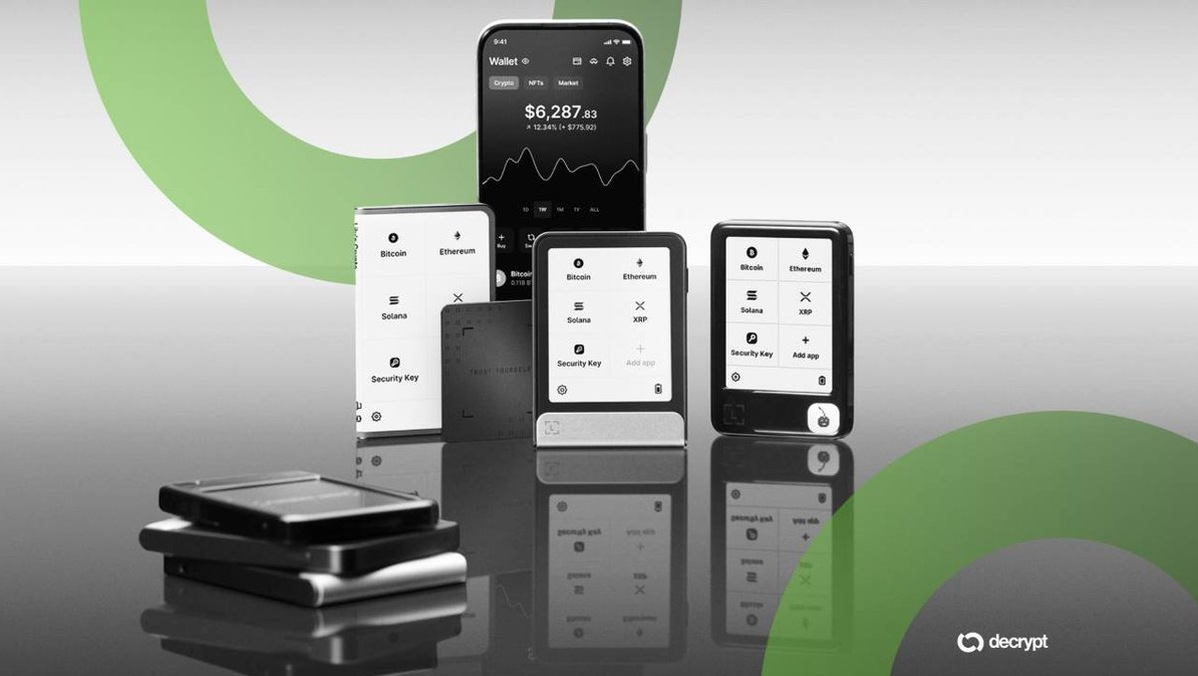
A shocking new integration between hardware wallet giant Ledger and payments provider MoonPay is being marketed as a security breakthrough for AI agents. The truth is far more dangerous. This system, which forces AI-driven crypto transactions to seek manual approval on a Ledger device, creates a catastrophic new attack vector. Hackers are already salivating at the prospect of phishing for those precious hardware wallet confirmations, turning a promised shield into the ultimate vulnerability.
The core facts are simple: MoonPay's AI agent infrastructure, launched just last month, can now route trades and transfers through a Ledger signer. A user must physically approve each transaction on their Nano or Stax device. MoonPay's CEO calls this the "financial rail" for the future of autonomous crypto commerce. But cybersecurity experts are sounding a five-alarm fire. This process doesn't eliminate risk; it merely moves the target. The AI agent remains a ripe surface for a zero-day exploit or sophisticated malware that could spoof transaction details before they ever reach the wallet screen.
"An AI agent with spending permissions is a dream scenario for a ransomware actor," warns a former FBI cyber investigator we spoke to. "You don't need to steal the private key from the blockchain security vault if you can socially engineer one click on a hardware device. This is a data breach waiting to happen, orchestrated by the very AI meant to serve you." The concern is that a compromised agent could generate legitimate-looking but malicious transaction requests, tricking users into signing away their assets.
Why should you care? Because this isn't just about tech-savvy traders. This is the frontline of the war for crypto's soul. As AI agents from Fetch AI, Coinbase, and others go mainstream, their connection to your cold storage becomes the single greatest point of failure. Your portfolio's safety will no longer depend on a 24-word seed phrase alone, but on your ability to detect a fraudulent swap request pushed by your own supposedly loyal software.
We predict a wave of targeted phishing campaigns, disguised as routine AI agent transaction approvals, will drain wallets by the end of the year. The industry's rush to embrace AI autonomy has collided head-on with the immutable laws of cybersecurity.
The machines are ready to spend. The question is, are you ready to be hacked by them?