SENIOR SCAM: HOW A 71-YEAR-OLD'S OLD-SCHOOL FRAUD EXPOSES A NEW-AGE CYBERSECURITY NIGHTMARE
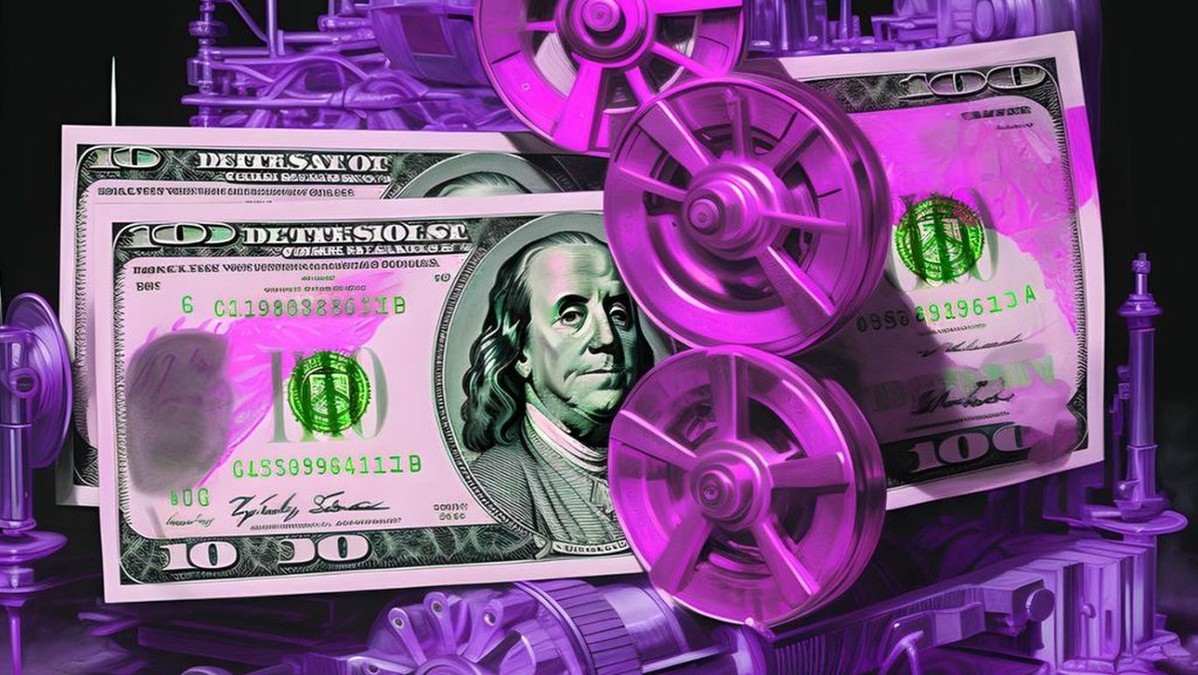
Forget shadowy hackers in hoodies. The latest threat to the Treasury is a 71-year-old man with a simple plan and a brazen disregard for the digital age. Eric Banks has pleaded guilty to stealing a U.S. Treasury check for $1.13 million, a stunningly analog crime that funded a sophisticated laundering network. This isn't just check fraud; it's a flashing red siren for systemic vulnerability.
Banks didn't need a zero-day exploit or complex malware. He allegedly stole a physical check, opened a bogus bank account in the payee's name, and deposited it. His real crime was what happened next: building a financial laundering pipeline. He created a second fake entity, moving over $1.3 million for seven accomplices accused of stealing a collective $7.44 million. This was a manual operation with a digital footprint, proving that the weakest link in cybersecurity is often human cunning.
"Financial institutions are so focused on digital threats like ransomware and phishing that physical document fraud can slip through," a former federal investigator told us. "This case shows how old-school methods fund modern crime. That laundered money often fuels darknet markets, crypto scams, and more sophisticated cyber-attacks." The breach wasn't in a server; it was in the trust of a paper trail.
Why should you care? Because this stolen public money is your money. And in an era where crypto and blockchain security are touted as the future, this saga reveals a brutal truth: if a septuagenarian can move millions with fake paperwork, imagine what organized cybercriminals are doing. Every dollar laundered here could seed the next major data breach or ransomware campaign.
We predict a sharp pivot from regulators, forcing a painful marriage of archaic financial controls with cutting-edge blockchain analysis tools to trace stolen funds. The era of ignoring low-tech fraud is over.
The future of finance is being built on code, but its greatest threats are still written on paper.