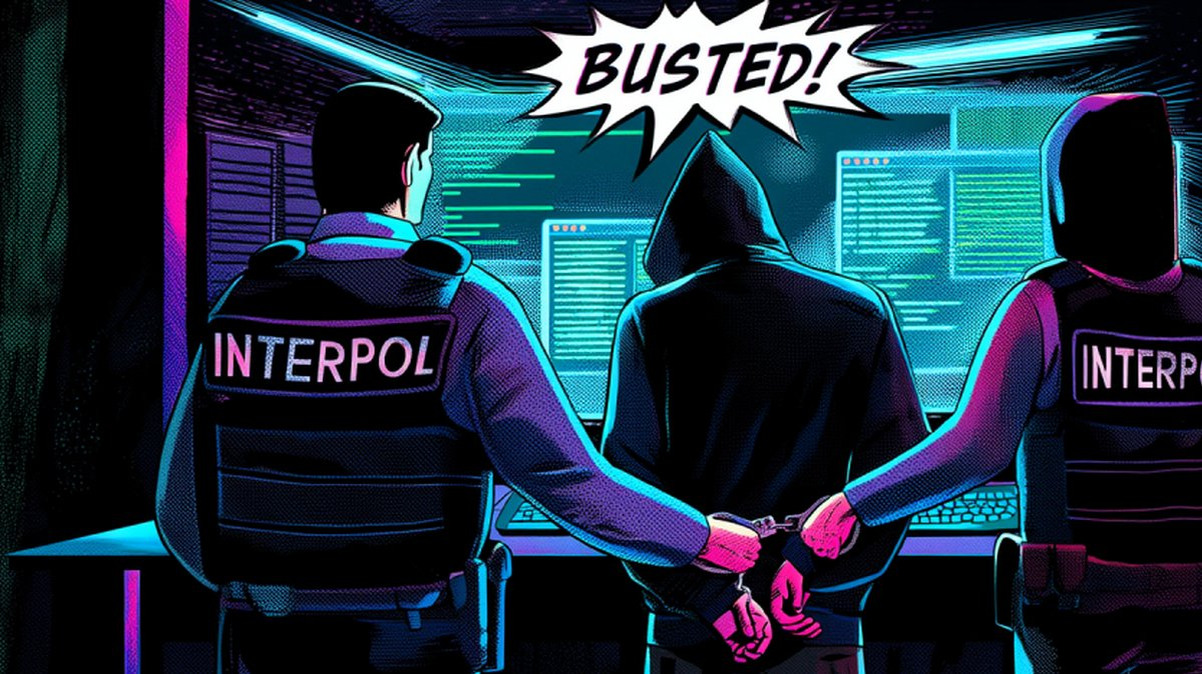
INTERPOL'S CYBER BLITZ: 45,000 SERVERS TAKEN DOWN, 94 ARRESTED IN GLOBAL TAKEDOWN OF PHISHING AND RANSOMWARE EMPIRE
In a stunning global strike, INTERPOL has just dismantled the digital backbone of a sprawling cybercrime syndicate, seizing 45,000 malicious IP addresses and servers in a move that has sent shockwaves through the dark web. This is not a minor skirmish; it is a decisive assault on the very infrastructure of phishing, malware, and ransomware campaigns that have victimized millions worldwide. The operation, spanning 72 countries, led to 94 arrests and the seizure of 212 devices, exposing a criminal network of unprecedented scale.
The raids reveal a chilling evolution in cybercrime tactics. In Bangladesh, 40 suspects were caught running loan and job scams, while in Togo, a fraud ring operated from a quiet residential area, hacking social media accounts to execute elaborate romance scams and sextortion. The ultimate goal was always financial, exploiting human trust to funnel crypto payments to anonymous wallets. Meanwhile, in Macau, authorities uncovered over 33,000 phishing sites impersonating banks and government services, designed to harvest credentials in a massive data breach waiting to happen.
"This operation successfully targeted the command-and-control centers for multiple ransomware families," revealed a senior cybersecurity analyst involved in the coordination. "By taking down these servers, we've not only disrupted active attacks but also gathered critical intelligence on zero-day vulnerabilities they were preparing to exploit. The scale of the phishing infrastructure here is staggering—it was an industrial-scale fraud operation."
Every internet user should care because these were not isolated incidents. This was a coordinated, transnational business model preying on global citizens. The fake investment schemes, like the one involving the Dubai-based Pyypl platform cited by India's CBI, show how these groups use sophisticated social engineering to bypass traditional blockchain security measures and drain life savings. Your data, your money, and your online identity were their targets.
We predict this takedown will cause a temporary disruption, but the criminal networks will adapt, shifting to more decentralized methods and seeking new vulnerabilities. The arms race in cybersecurity has just entered a more intense phase.
The walls are closing in on the digital underworld, but the battle is far from over.