YOUR FACE IS NOT YOUR PASSPORT: ESET RESEARCHER CRACKS BIOMETRIC TRUST WITH DEEPFAKES AND SMART GLASSES
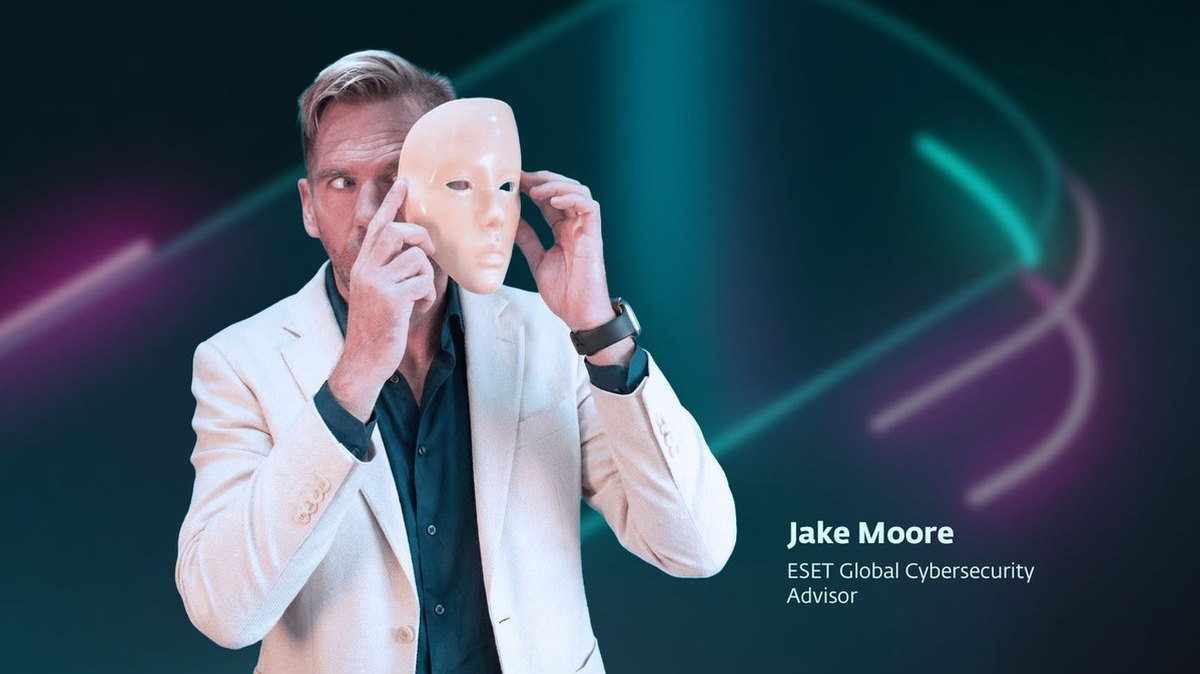
The foundational trust in facial recognition is shattered. In an exclusive demonstration set for RSAC 2026, ESET Global Cybersecurity Advisor Jake Moore will reveal how he systematically fooled systems protecting airports and banks using accessible tech, exposing a critical vulnerability in our digital identity infrastructure. This isn't theoretical; it's a live-fire test of the biometric locks we all now depend on.
Moore’s research pivots on two devastating exploits. First, using modified smart glasses, he conducted real-world surveillance, capturing strangers' faces and instantly matching them to public online profiles—a dystopian phishing tool that harvests identities from a mere glance. The second, more alarming test targeted financial security. He used AI-generated deepfakes to create a fictitious person, which then successfully passed a major bank’s facial recognition and eKYC checks to open an account. This was a live data breach in the making, enabled by a crafted malware-like attack on identity itself.
"Biometric systems are being sold as unhackable, but they are just software with flaws," states a senior analyst familiar with the research. "This work proves that a single zero-day vulnerability in how a system processes a live image can be exploited at scale. The ransomware gangs of tomorrow won't just encrypt your data; they will steal your face." The implications for blockchain security and crypto exchanges using similar verification are profound and terrifying.
You should care because your face is data, and that data is now demonstrably weak. Every system from phone unlocking to border control that relies on this signal is potentially compromised. This research moves the threat from stealing passwords to stealing the very essence of personal identity, making traditional cybersecurity models obsolete.
We predict a catastrophic loss of confidence in biometric verification within 18 months, forcing a multi-billion-dollar scramble for new, hybrid authentication models. The era of the selfie as proof is over.
Your biometrics just joined the list of passwords you need to change.