EXCLUSIVE: THE STRIKE ON STRYKER WAS A ZERO-DAY DISASTER RECOVERY FAILURE
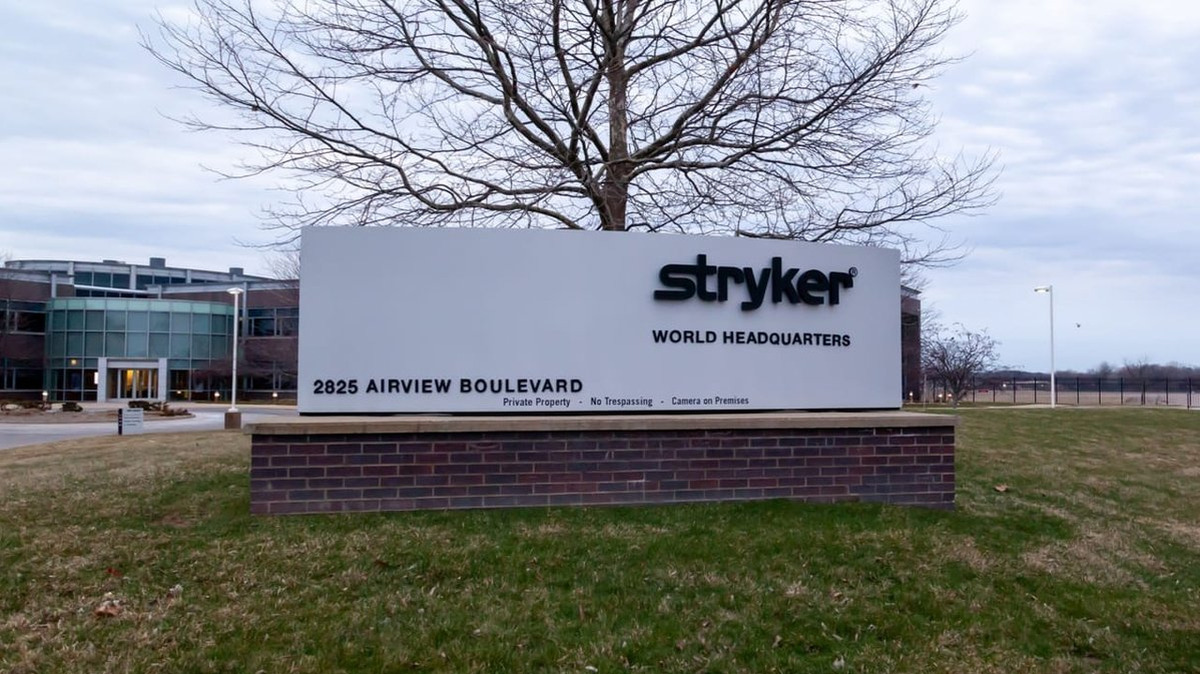
The Iranian cyberattack that crippled healthcare giant Stryker wasn't just another data breach. It was a live-fire stress test that shattered the illusion of preparedness, exposing a critical vulnerability in global corporate disaster recovery plans. This was a coordinated assault, likely leveraging an unpatched zero-day exploit, that moved from initial phishing vector to full-scale ransomware lockdown with devastating speed.
Core systems went dark because this attack was designed to bypass traditional cybersecurity defenses. The malware, suspected to be a new ransomware variant, didn't just encrypt data—it systematically dismantled recovery protocols. This reveals a terrifying gap: most business continuity plans are built for predictable hardware failures, not for a sophisticated adversary actively hunting and destroying backup systems and crypto-locking entire networks.
"Disaster recovery playbooks are obsolete," warns a senior incident responder familiar with the attack. "They assume you can just flip a switch from a clean backup. This adversary used the zero-day to find and corrupt those backups first. The entire recovery infrastructure was compromised from the inside out. It's a lesson in blockchain security principles applied maliciously—they ensured the integrity of their attack chain, not your data."
Every executive must care because this is the new blueprint. Attackers are no longer just stealing data; they are engineering total operational collapse. The crypto ransom demand is just one facet. The real cost is the weeks of downtime, the eroded patient trust, and the multi-million dollar scramble to rebuild from digital ashes.
We predict a wave of similar targeted attacks on critical infrastructure, where the disaster recovery system itself becomes the primary target for exploitation. Companies that fail to adopt an adversarial mindset in their continuity planning will not survive the next incident.
Your backup plan is now the frontline. Is it fortified?