BITCOIN'S WAR PREMIUM: HOW GEOPOLITICAL CHAOS IS EXPOSING A ZERO-DAY VULNERABILITY IN THE ENTIRE FINANCIAL SYSTEM
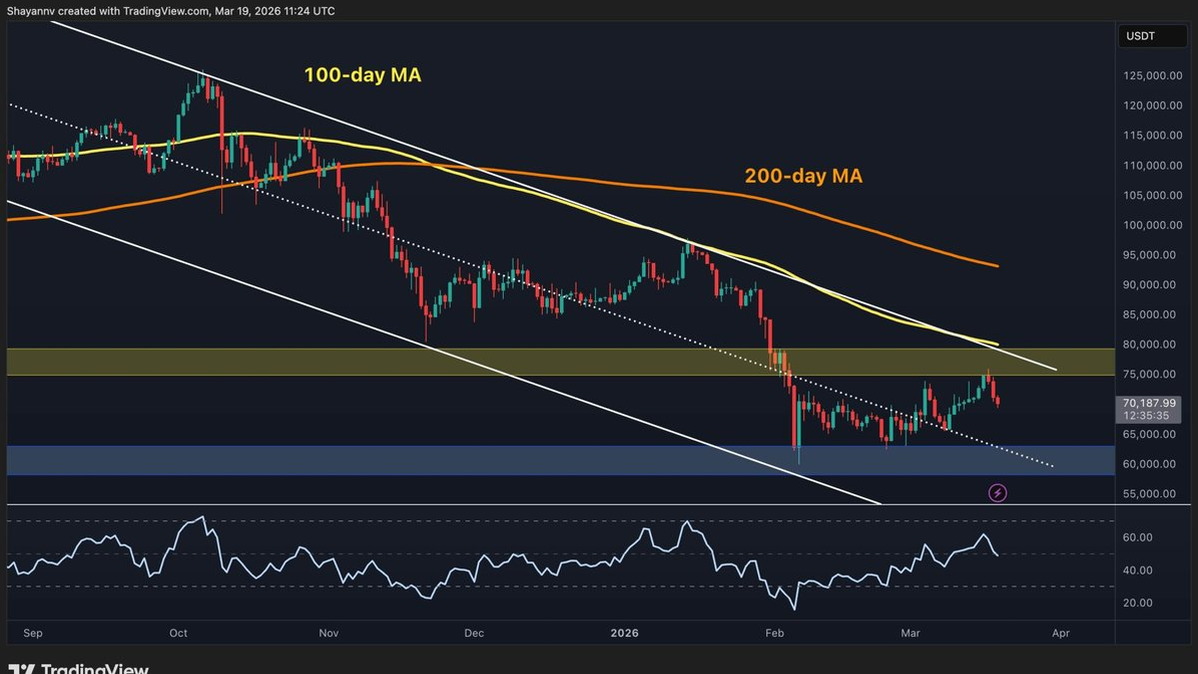
While traditional markets convulse, Bitcoin is quietly executing a hostile takeover of the global safe-haven narrative. Since the Iran crisis ignited, Bitcoin is up 6%, crushing gold and leaving stocks in the dust. This isn't just a trade; it's a damning indictment. Rising Treasury yields prove the old guard—bonds—is failing. Investors are treating sovereign debt like a critical data breach, pulling capital out at the worst possible time.
This divergence is a flashing red siren. Institutional money has flowed into crypto products for three straight weeks, a silent vote of no confidence in the legacy system. Analysts confirm Bitcoin’s surge is directly tied to its core architecture: a non-sovereign, censorship-resistant network. In an era of digital warfare and state-sponsored cyber attacks, its blockchain security is being priced as a premium feature traditional assets simply cannot replicate.
"Geopolitical dislocations are the ultimate stress test," one unnamed institutional strategist told us. "Bitcoin's volatility is a feature, not a bug, when the alternative is exposure to centralized failure points. The entire traditional finance stack is showing a zero-day vulnerability to geopolitical shock." This is about more than price; it's about a fundamental rewrite of risk calculus.
Why should you care? Because your portfolio's old defenses are obsolete. The classic playbook—run to bonds—is broken. This crisis reveals a systemic phishing attack on investor trust, where traditional safe havens are the exploit. The malware of inflation and sovereign risk has already breached the walls.
We predict this is not a temporary spike but a permanent recalibration. As cybersecurity threats and digital conflict define modern statecraft, hard assets stored on a neutral, global ledger will command a permanent war premium.
The great digital hedge has begun. Your bonds can't compete.