Prominent venture capitalist and Bitcoin advocate Tim Draper has made a provocative assertion regarding the future of financial security, positing that Bitcoin is fundamentally safer than the U.S. dollar. His argument hinges not on current market volatility but on the looming technological threat of quantum computing. Draper contends that while quantum computers pose a theoretical risk to cryptographic systems, including some used in blockchain technology, traditional banking infrastructure will be compromised long before quantum attacks can meaningfully "touch" the Bitcoin blockchain. This perspective frames Bitcoin not just as a digital asset, but as a more robust long-term store of value in an era of advanced computational threats.
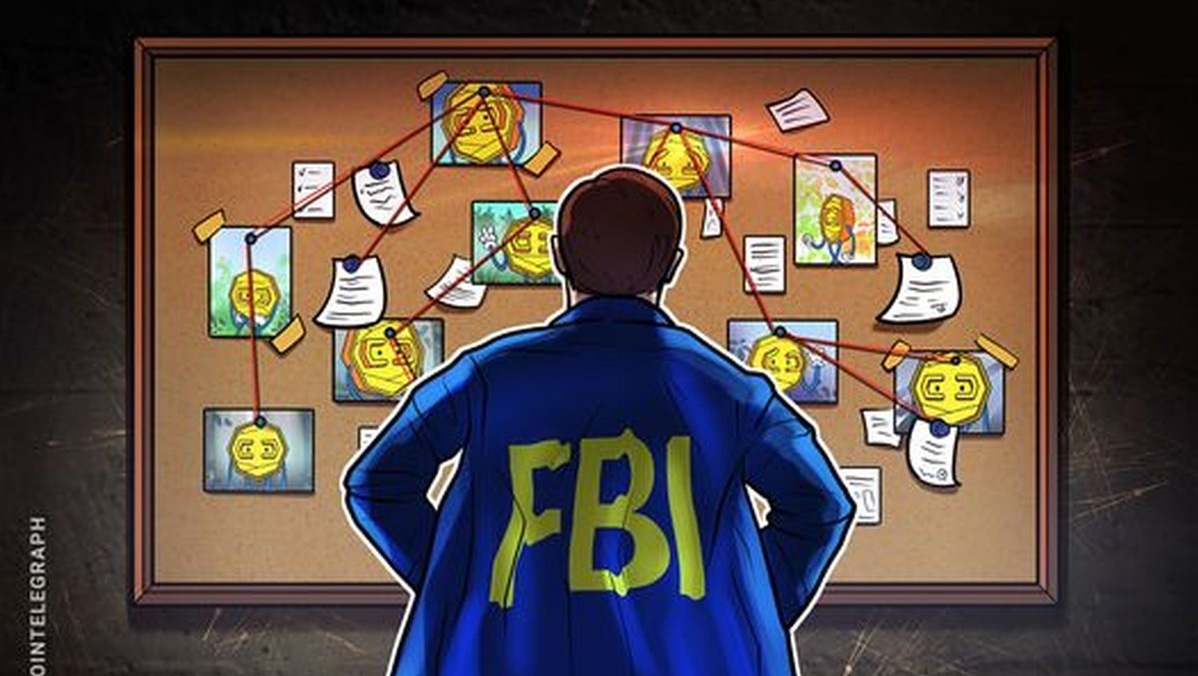
The core of Draper's thesis lies in the comparative attack surfaces. Legacy banking systems, built on decades-old software and centralized databases, are perceived as fragile and perpetually vulnerable to sophisticated cyber-attacks. Quantum computing could exponentially accelerate the decryption of the cryptographic protocols that secure online transactions, communications, and data storage within these systems. In contrast, Bitcoin's decentralized blockchain operates on a different security premise. While the Elliptic Curve Digital Signature Algorithm (ECDSA) that secures Bitcoin wallets is theoretically vulnerable to a sufficiently powerful quantum computer, such an attack would require breaking the public key cryptography to steal funds. The community is acutely aware of this, and significant research into quantum-resistant cryptography and potential protocol upgrades (like a hard fork to a new algorithm) is ongoing.
Draper's timeline is crucial to his argument. He suggests that the concentrated, high-value nature of traditional banks makes them the primary and most immediate target for quantum-powered attacks. The potential payoff for hacking a central bank or major financial institution would be immense, drawing adversarial focus. By the time quantum capabilities evolve to threaten Bitcoin's base layer, the decentralized network and its developers would have had a much longer warning period to implement defensive upgrades. The open-source, adaptable nature of Bitcoin protocol development is seen as an advantage over the slower, bureaucratic processes of updating global banking IT infrastructure.
This debate underscores a critical juncture for the entire financial ecosystem. While Draper's view is optimistic for Bitcoin, it does not dismiss the quantum threat. It instead highlights a race between offensive quantum capabilities and defensive cryptographic evolution. For investors and institutions, the discussion moves beyond price speculation to fundamental technological resilience. Whether one agrees with Draper or not, his comments serve as a stark reminder that the foundations of both traditional finance and cryptocurrency are not static. Preparing for a post-quantum world is no longer a theoretical exercise but a pressing strategic imperative for anyone concerned with the long-term security of their assets.