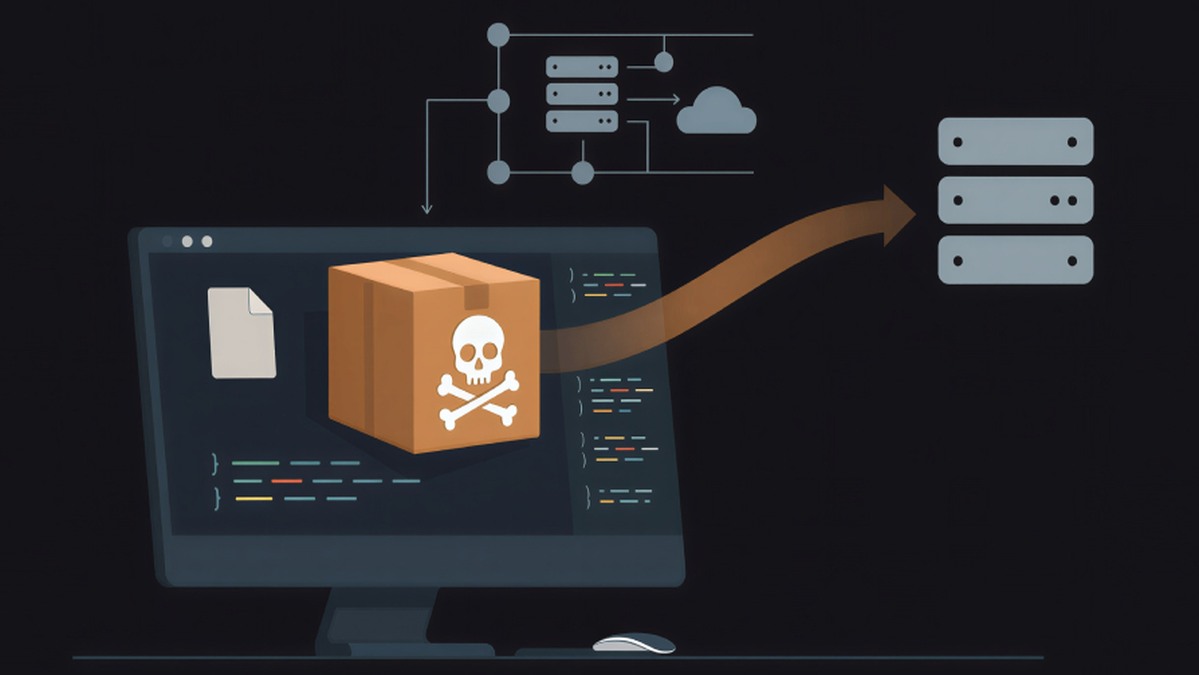
OpenAI has announced its acquisition of Promptfoo, a cybersecurity startup specializing in testing and safeguarding AI systems. This strategic move, first reported by CNBC, underscores OpenAI's intensified focus on securing its AI agents, including models like ChatGPT, against a growing spectrum of threats. Promptfoo's core technology provides a framework for developers to systematically test, evaluate, and monitor the outputs of large language models (LLMs), helping to identify vulnerabilities such as prompt injection attacks, data leakage, and the generation of biased or harmful content. By integrating these capabilities, OpenAI aims to proactively harden its AI offerings, ensuring they are more robust, reliable, and aligned with safety protocols before public deployment.
The acquisition is a direct response to the escalating cybersecurity challenges inherent to advanced AI. As AI agents become more autonomous and integrated into critical business and consumer applications, they present novel attack surfaces. Adversaries can craft malicious prompts to manipulate AI behavior, extract sensitive training data, or bypass built-in safety filters. Promptfoo's tools enable continuous "red teaming" and adversarial testing, simulating these attacks in controlled environments to discover and patch weaknesses. This process is crucial for developing effective guardrails and moving beyond reactive security measures to a more resilient, security-by-design approach for AI development.
For the cybersecurity and AI industries, this transaction signals a maturation of the market where security is no longer an afterthought but a foundational component of AI product development. OpenAI's investment in Promptfoo reflects a broader industry trend where leading AI developers are actively building or acquiring specialized security expertise. This consolidation aims to create more trustworthy AI systems, which is essential for maintaining user confidence and facilitating responsible adoption across sectors like finance, healthcare, and government. The move also positions OpenAI to potentially offer enhanced security tooling or assurances to enterprise clients who are increasingly demanding secure and auditable AI solutions.
The long-term implications of this acquisition extend to the entire AI safety ecosystem. By bringing Promptfoo's team and technology in-house, OpenAI can accelerate its internal safety research and development cycles. This could lead to the creation of new industry benchmarks for AI security testing and more sophisticated techniques for detecting and mitigating emergent threats. However, it also raises questions about the centralization of security expertise within a few major players. The industry will be watching to see if OpenAI maintains Promptfoo's tools as an open-source project or integrates them solely for proprietary advantage, which will influence how smaller developers access critical security testing frameworks.