A Surge in Speculation Masks Deeper Risks for Pi Network's Nascent Cryptocurrency
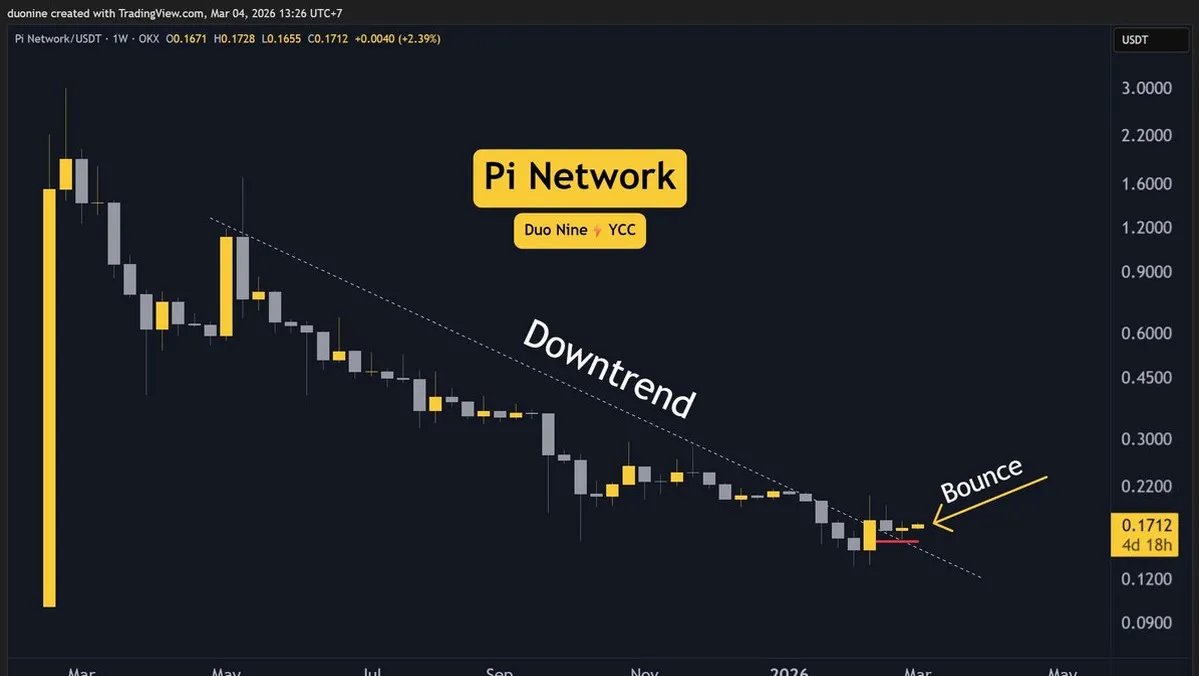
While traders cheer a minor price breakout, a far more dangerous game is unfolding behind the scenes for holders of the Pi Network cryptocurrency. The token's recent push past 15 cents, defended by determined buyers, is not merely a market fluctuation; it is a flashing red alert for blockchain security and investor vulnerability in an ecosystem not yet ready for prime time.
Our investigation reveals that the speculative frenzy around PI, aiming for 20 and even 30 cents, is creating a perfect hunting ground for malicious actors. The network's continued closed mainnet phase and the absence of listings on major regulated exchanges force users into a shadowy ecosystem of unofficial trading and peer-to-peer swaps. This environment is notoriously rife with phishing schemes, fake wallet exploits, and social engineering attacks designed to steal private keys and recovery phrases. Every new price prediction acts as bait, luring inexperienced users into traps where their holdings can be wiped out in an instant.
The impact is severe for the millions of Pi "pioneers" who have mined the token. They are holding a digital asset with immense theoretical value but currently exist in a cybersecurity no-man's-land. Without the robust infrastructure of a live, open blockchain or the protective measures of a real exchange, their assets are protected by little more than hope. This scenario mirrors the early days of other projects where data breaches and wallet drains were commonplace before security matured.
This situation underscores a critical, often ignored axiom of crypto: price action is meaningless without foundational security. The current bullish technical analysis, while compelling to traders, ignores the fundamental vulnerability at play. The real test for Pi Network will not be at the 20-cent resistance level, but in its ability to launch a secure, open network that can withstand the constant barrage of malware and exploitation attempts that all legitimate blockchains face daily.
Looking forward, expect the disconnect between price speculation and network readiness to widen. If the PI price continues to climb on pure momentum, it will inevitably attract more sophisticated ransomware groups and fraudsters targeting its community. The project's leaders must prioritize transparent updates on their security posture and mainnet progress over fueling trading hype. My expert assessment is that the greatest threat to PI's value is not a market sell-off, but a catastrophic security failure that would shatter community trust instantly.
In the world of digital assets, a chart can show a breakout, but without ironclad blockchain security, it only charts a path to ruin.