CONGRESS DECLARES WAR ON 80-YEAR-OLD CYBER GHOST HAUNTING YOUR DEVICES
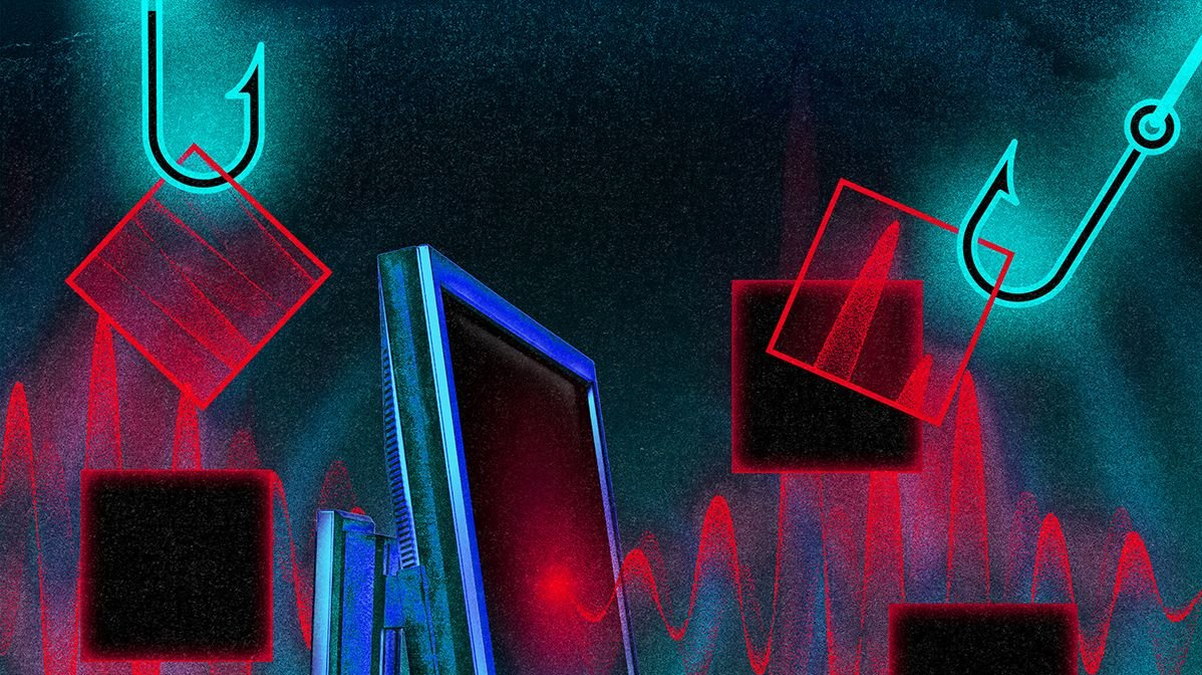
A chilling espionage technique from World War II is now a clear and present danger to every computer and smartphone in America. Two US lawmakers are demanding a full-scale investigation into TEMPEST, a method where spies steal data by listening to the faint electromagnetic whispers and acoustic leaks from your hardware. This isn't science fiction; it's a devastating side-channel attack that bypasses all traditional cybersecurity defenses.
The core facts are alarming. Every keystroke, every hard drive movement, and every pulse of electricity in a semiconductor emits detectable signals. With cheap, advanced equipment, adversaries can reconstruct passwords, confidential documents, and crypto wallet keys from thin air. This persistent vulnerability represents a fundamental data breach risk that no firewall can stop, turning ordinary devices into involuntary broadcast towers of your private life.
Senator Ron Wyden and Representative Shontel Brown have urgently tasked the Government Accountability Office to assess this national threat. In their letter, they warn that these methods are not just for state spies but can be weaponized against the public to steal intellectual property and enable sophisticated ransomware campaigns. The very malware designed to lock data could be guided by intelligence gathered from these physical leaks.
"Modern devices are shockingly porous to these analog attacks," states a former NSA analyst specializing in signals intelligence. "While we focus on phishing and software exploits, a far more insidious exploit is happening at the physics level. A single zero-day in your software is bad; this is a permanent, hardware-level vulnerability." The gap in blockchain security is particularly stark, as the electromagnetic footprint of a transaction could reveal private keys.
You should care because your most secure password is meaningless if the act of typing it broadcasts every character. This transcends typical cyber threats, creating a scenario where air-gapped computers in secure facilities—or your home office—are no longer safe. The push for accountability could force manufacturers to build hardened devices, reshaping the entire industry.
We predict a new front in the cybersecurity arms race, with mandates for hardware-level shielding becoming as standard as encryption. The era of trusting software alone is over. Your computer's silent screams must finally be silenced.