Trump's Crypto War: Banking Lobby Accused of Holding Digital Asset Future Hostage
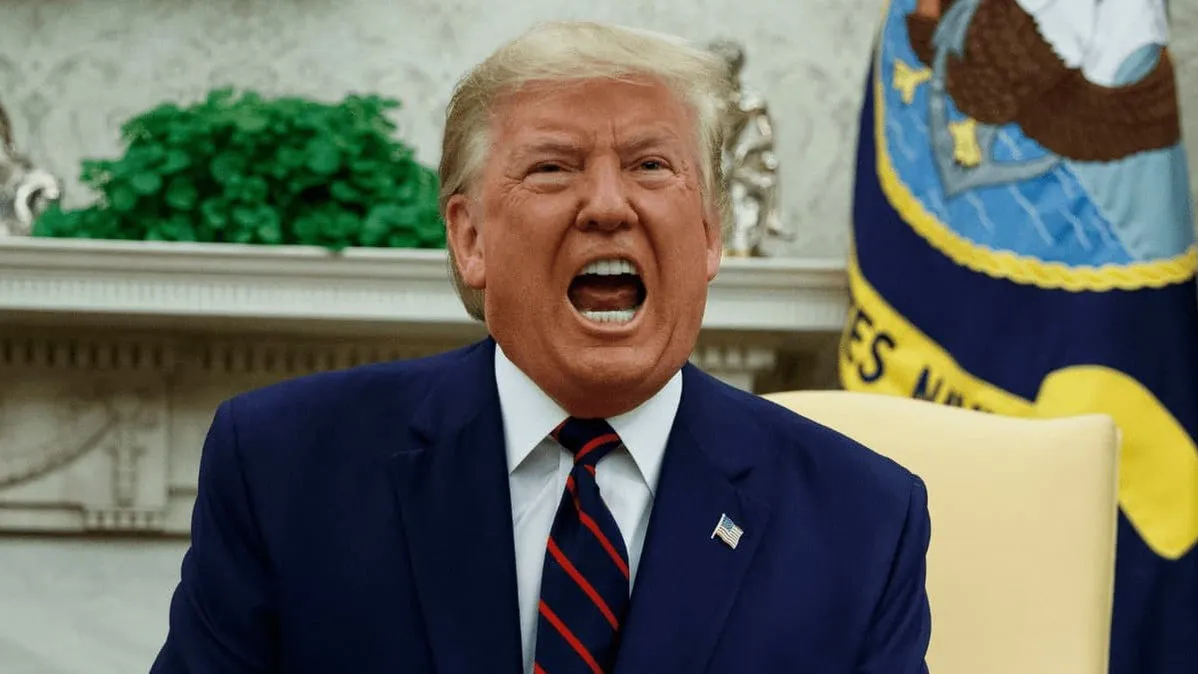
A political firestorm has erupted over the future of American finance, with former President Donald Trump launching a direct public assault against the traditional banking lobby, accusing it of sabotaging critical cryptocurrency legislation to protect its profits. This unprecedented intervention throws gasoline on a simmering battle that pits Wall Street against Silicon Valley, with half a trillion dollars in bank deposits potentially on the line.
In a series of posts on Truth Social, Trump framed the stalemate over the CLARITY Act as an existential threat to financial innovation. He accused banks of undermining the established GENIUS Act and holding the broader market structure bill "hostage." The core dispute is a technical but explosive one: whether crypto platforms can offer yield on stablecoins—digital assets pegged to the dollar. Banks fear this will trigger a mass exodus from low-interest savings accounts, while the crypto industry sees it as a fundamental right for asset holders. The conflict reached a crisis point when Coinbase’s CEO withdrew support for the CLARITY Act, citing proposed amendments that would ban such yields.
The immediate impact is regulatory paralysis, creating dangerous uncertainty for both crypto companies and consumers. This legislative gap is a vulnerability that bad actors could exploit, potentially through sophisticated phishing campaigns targeting confused users or by exploiting regulatory ambiguities in new financial products. For the average American, it means delayed access to potentially higher yields on their digital dollar holdings. For regional banks, the stakes are survival; analysts warn stablecoins could siphon $500 billion in deposits by 2028.
This clash is not an isolated policy debate but the latest front in a decade-long war between legacy finance and decentralized technology. It echoes past battles over innovation, where entrenched interests used lobbying to stifle competition. The cybersecurity implications are profound. A clear regulatory framework is the first line of defense for blockchain security; ambiguity fosters risky behavior and creates shadows where malware and exploits thrive. The current deadlock leaves a governance zero-day open, a flaw in the system itself waiting to be exploited.
Looking forward, Trump’s forceful entry guarantees this issue will remain at the forefront of the election cycle, applying maximum pressure on lawmakers. My prediction is that this public shaming will force a compromise, but one that likely imposes stringent new cybersecurity and disclosure requirements on yield-bearing crypto platforms, treating them more like banks. The final legislation will be a hybrid, but the dam has broken—the question of earning on digital assets is now central to American politics.
The fight is no longer just about yields or loopholes; it is a referendum on who controls the next era of money. The banks are defending their fort, but the crypto industry, now with a powerful political megaphone, is at the gates.