Fed Opens Pandora's Box: Kraken's Historic Banking Access Ignites Financial Cybersecurity Firestorm
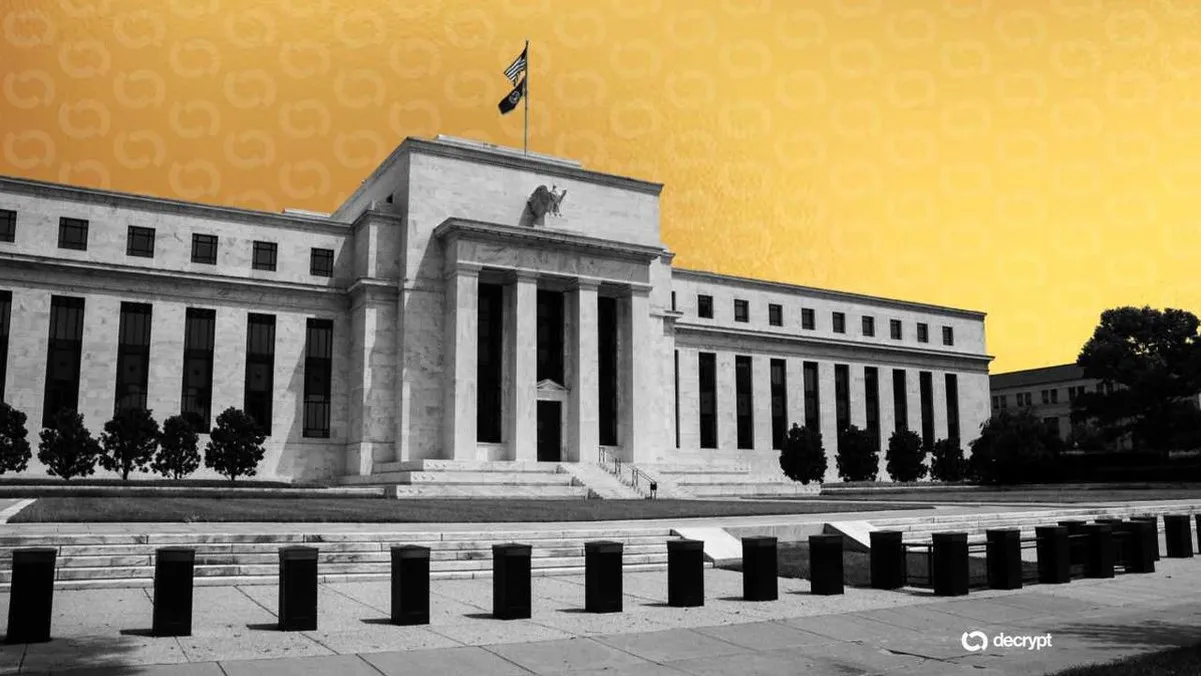
The Federal Reserve has just handed a digital skeleton key to the cryptocurrency frontier, and America's traditional banks are declaring a state of emergency. In a landmark and deeply controversial move, the crypto exchange Kraken has secured a Federal Reserve master account, marking the first time a crypto-native institution gains direct access to the heart of the U.S. payment system. This isn't just a bureaucratic approval; it's a seismic shift that places unprecedented pressure on the nation's financial cybersecurity defenses.
Kraken, now officially a Special Purpose Depository Institution, received its master account from the Fed's Kansas City branch. This allows it to bypass intermediary banks and settle transactions directly with the central bank. However, the approval comes with significant strings attached, including a reported "skinny" account that restricts certain functions like paying interest on reserves. This compromise was not enough to placate the entrenched banking industry. Major trade groups, including the Bank Policy Institute representing Wall Street titans and the Independent Community Bankers of America, have launched immediate and fierce opposition. They argue the Fed is violating its own risk standards by granting access to an entity operating in the volatile and historically vulnerable crypto sector, warning of systemic dangers.
The impact is immediate and twofold. For consumers, it promises faster and potentially cheaper crypto-to-fiat services but also directly links their digital asset holdings to a core financial utility now in the crosshairs of sophisticated threat actors. For the broader system, it creates a new, high-value attack vector. A direct Fed connection makes Kraken a top-tier target for state-sponsored hackers, ransomware gangs seeking to disrupt settlement layers, and phishing campaigns designed to exploit consumer confusion during this integration. Any successful malware or zero-day exploit against this new bridge could have cascading effects far beyond the crypto ecosystem.
This clash is the inevitable result of stalled crypto legislation and the government's push for "innovation." Regulators are attempting to bring crypto in from the cold, but traditional finance sees it as inviting a fox into the henhouse. The banking industry's outcry is less about competition and more about a fundamental disagreement on blockchain security maturity and operational resilience. They point to a long history of catastrophic crypto exchange data breaches and heists as proof that the sector is not ready for such a privileged role.
Looking ahead, expect intense regulatory scrutiny and a new wave of compliance mandates focused specifically on Kraken's cybersecurity and anti-money laundering protocols. The Fed will be under immense pressure to prove its risk assessment was sound. My prediction is that this "skinny" account will become a model—and a battleground—for other crypto firms seeking similar access, turning the Fed into the de facto arbiter of crypto-banking integration without a Congressional mandate.
The gates to the fortress are now open. Whether this experiment strengthens financial innovation or becomes a historic vulnerability exploited in the next major data breach depends entirely on defenses that have never been tested at this scale.