After five consecutive weeks of significant outflows, the crypto market has seen a dramatic reversal. Investment products tied to digital assets recorded a net inflow of $1 billion last week, snapping a $4 billion bleed. Analysts at CoinShares noted the shift was not driven by a single event but by a combination of previous price softness and renewed accumulation by large holders, signaling a potential change in sentiment.
The inflows were overwhelmingly dominated by Bitcoin, which attracted $881 million. Ethereum also saw a notable $117 million influx, marking its best week since mid-January. While short Bitcoin products saw minor interest, the broader trend indicates investors are focusing on identifying buying opportunities rather than reducing exposure.
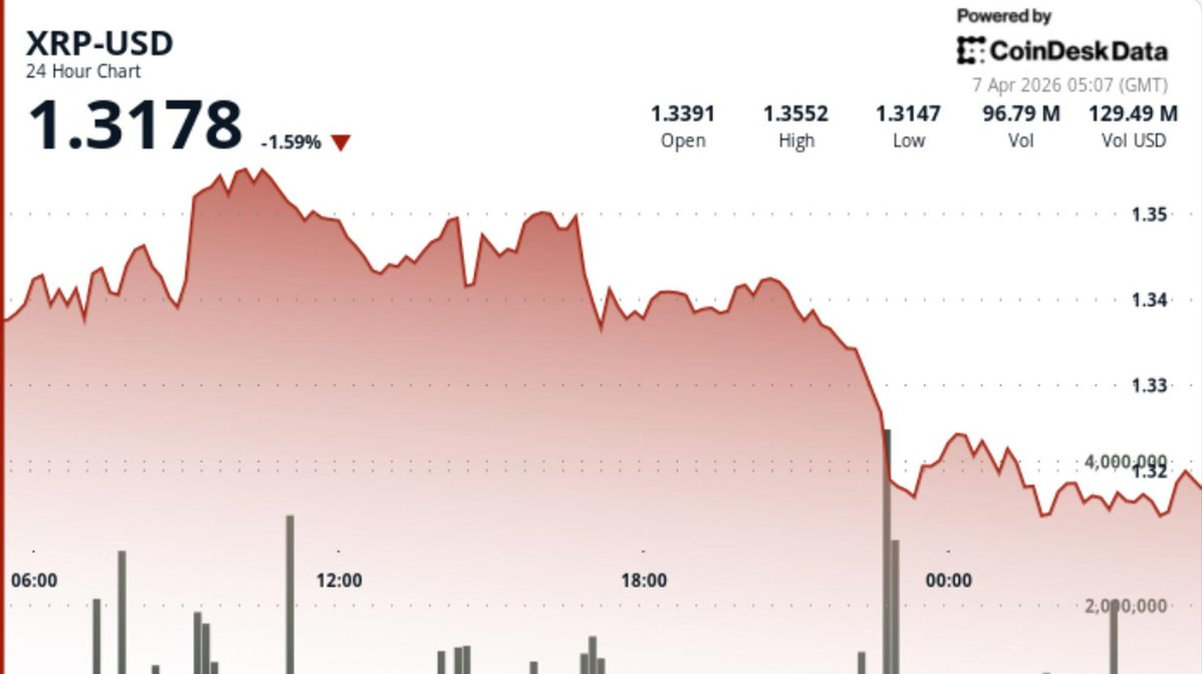
Other assets participated in the rebound. Solana posted strong weekly inflows of $53.8 million, while Chainlink, XRP, and Sui saw smaller gains. The only segment experiencing withdrawals was multi-asset products, which saw $6 million exit. Regionally, the United States led the charge with $957 million in new investment, followed by Canada, Germany, and Switzerland.
This resurgence occurs against a complex geopolitical backdrop. Over the weekend, escalating tensions involving Iran triggered a brief market dip, with Bitcoin falling toward $63,000 and Ethereum below $2,000 before prices stabilized. The event led to approximately $300 million in long position liquidations, a significant but contained reaction.
Analysts suggest the measured response indicates investors may have already reduced risk or are exploring alternatives to Bitcoin as a weekend macro hedge, such as tokenized gold. This highlights the evolving nature of crypto market dynamics during periods of global uncertainty.
The renewed institutional interest is a positive signal, but investors must remain vigilant. The digital asset space continues to face threats, including sophisticated phishing campaigns and malware designed to steal private keys. Robust blockchain security practices are non-negotiable for protecting holdings.
Furthermore, the ecosystem is not immune to traditional cyber risks. Exchanges and projects must constantly guard against potential data breach events and actively monitor for unknown software vulnerability or zero-day exploit threats that could be leveraged by bad actors. The risk of a crippling ransomware attack on core infrastructure remains a concern for the entire industry.
Ultimately, this inflow represents a vote of confidence during volatile times. However, maintaining this momentum will require not only favorable macro conditions but also a relentless focus on cybersecurity across all layers of the crypto landscape to ensure investor assets and trust are preserved.