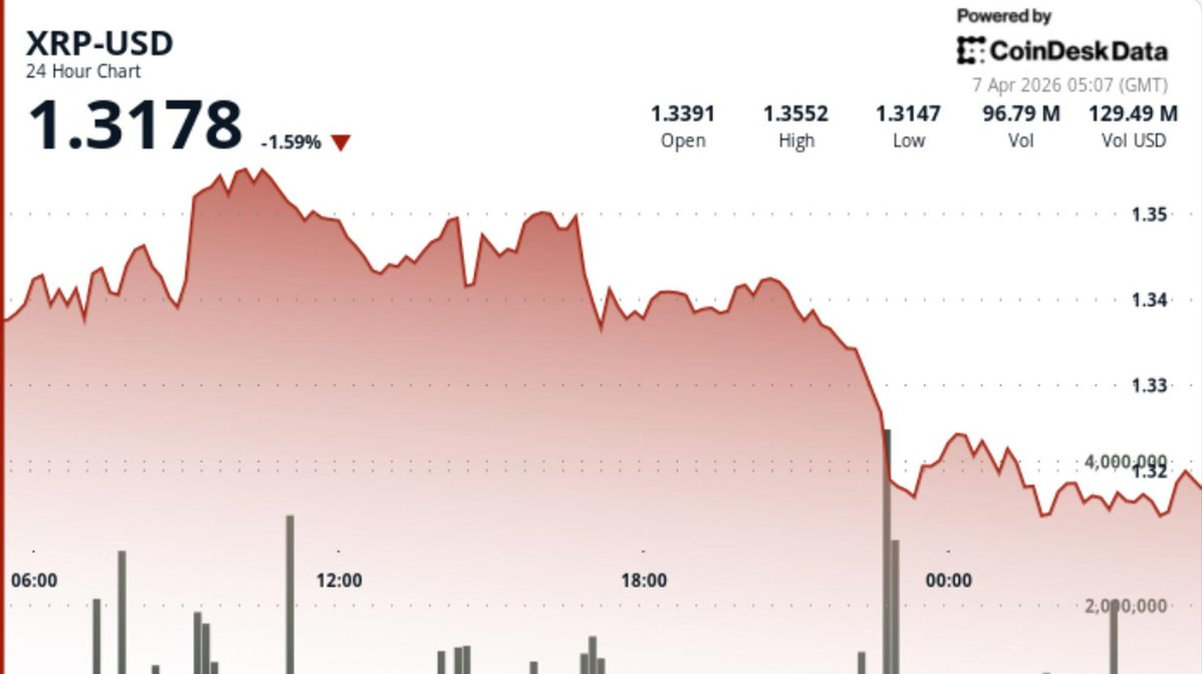
Bitcoin and major cryptocurrencies faced selling pressure on Monday as global markets reacted to a sharp escalation in Middle East tensions. The digital asset market gave back its weekend gains, with bitcoin falling back toward $66,700. This shift underscores crypto's continued sensitivity to traditional macroeconomic forces, particularly energy prices.
Oil markets witnessed a dramatic spike, with Brent crude surging over six percent. This jump followed reports that the critical Strait of Hormuz is effectively closed. Such a significant disruption to global energy supplies immediately reignites concerns over persistent inflation.
For crypto investors, the inflation narrative is crucial. Rising oil prices can complicate the Federal Reserve's path toward interest rate cuts. Tighter monetary policy typically reduces liquidity, creating a headwind for speculative assets like cryptocurrencies. This dynamic is pressuring digital assets alongside equities.
Beyond macro concerns, the sector faces its own persistent threats. Robust blockchain security is a constant priority as bad actors develop more sophisticated methods of attack. The ecosystem must remain vigilant against phishing schemes, malware, and attempts to exploit any network vulnerability.
The potential for a major data breach or a ransomware attack targeting a key platform remains a top cybersecurity fear. While core protocols like Bitcoin have proven resilient, supporting infrastructure such as exchanges and wallets are frequent targets. A significant security failure could erode market confidence.
Investors are also watching for any newly discovered software flaw, or zero-day exploit, that could threaten network integrity. The community's ability to rapidly patch such vulnerabilities is a testament to its maturation, but the risk is ever-present.
In the near term, the crypto market's trajectory appears tied to the evolving geopolitical landscape and its impact on oil. If energy prices stabilize, the downside for digital assets may be limited. However, a prolonged conflict could sustain inflationary pressures, delaying the favorable monetary conditions that fueled crypto's recent rally.
The coming days will test whether cryptocurrencies can decouple from traditional risk-off sentiment. For now, traders are prioritizing capital preservation, weighing macroeconomic shocks against the long-term promise of decentralized digital assets. The focus remains on both external market forces and internal advancements in security.