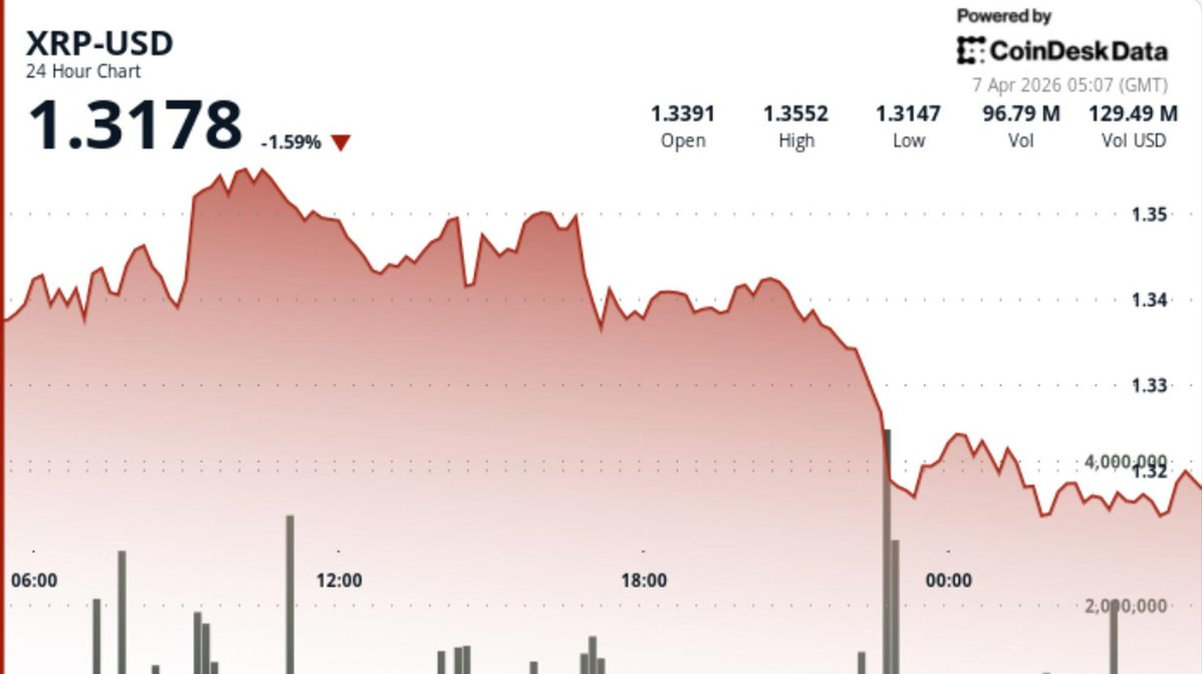
The recent escalation of military action in the Middle East has sent shockwaves through global markets, with cryptocurrencies experiencing pronounced volatility. This environment raises critical questions about the near-term trajectory for assets like XRP. We consulted an AI model to analyze the potential price movements amid these heightened geopolitical risks.
The immediate reaction to such conflict is typically a flight to safety, with investors moving capital away from volatile assets. This creates bearish pressure on altcoins, including XRP, as institutional liquidity often withdraws during periods of severe uncertainty. The model suggested this could test key support levels for the token in the short term.
Historically, cryptocurrencies have not acted as traditional safe havens during crises. Instead, they often behave as high-beta speculative assets, experiencing amplified volatility. This pattern was observed during past conflicts, indicating that the current situation could lead to significant price swings for XRP and the broader crypto market.
Beyond the immediate geopolitical shock, the long-term outlook may hinge on several factors. A shift in market focus back toward crypto fundamentals could provide a foundation for recovery. Developments in blockchain security and broader adoption narratives might eventually outweigh the current risk-off sentiment.
The cybersecurity landscape also remains a crucial backdrop. Global tensions often correlate with increased malicious activity, including phishing campaigns and malware attacks aimed at exploiting the distraction. Investors should remain vigilant against potential threats like ransomware and data breach attempts, especially in the crypto space.
Furthermore, the discovery of a critical software vulnerability or a zero-day exploit in major platforms could exacerbate market downturns independently of geopolitical news. Strong cybersecurity practices are essential for protecting digital assets during times of turbulence.
For XRP specifically, its utility in cross-border payments could see renewed interest if the situation stabilizes. However, the path forward is heavily contingent on a de-escalation of tensions. Until then, the market is likely to remain sensitive to headlines, prioritizing risk management.
In conclusion, while the short-term bias appears bearish for XRP amid the conflict, the potential for a significant rally exists once the initial shock subsides. The coming weeks will be critical in determining whether the asset succumbs to broader market fear or begins to decouple based on its own technological merits and a return of risk appetite.