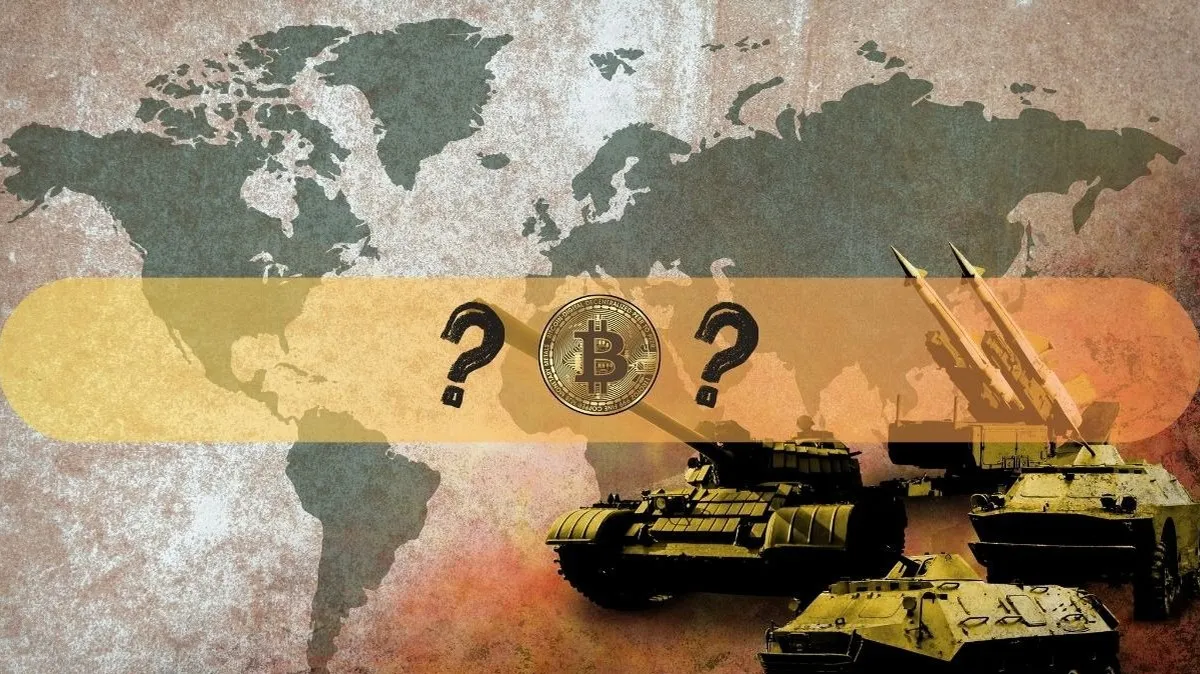
The global landscape in 2026 is defined by heightened geopolitical instability, with active conflicts and tensions creating waves of uncertainty across traditional financial markets. In such an environment, investors are increasingly scrutinizing digital assets for both risk and opportunity. While cryptocurrencies are not immune to macro turmoil, specific projects may demonstrate resilience or unique utility during times of crisis. This analysis highlights three cryptocurrencies warranting close attention as the geopolitical storm unfolds.
Bitcoin, despite its volatility, remains the undeniable bellwether for the entire sector. Its market dominance ensures that any major shift in sentiment directly impacts the broader crypto ecosystem. Historically, BTC prices have shown sensitivity to geopolitical flare-ups, often dipping on initial conflict news. However, its long-term narrative as digital gold and a hedge against inflationary pressures could regain prominence if conflicts strain global fiscal policies. Its current price action reflects a market weighing profound uncertainty against future potential.
Ethereum's position extends beyond a mere cryptocurrency; it is the foundational layer for a vast decentralized economy. In a scenario where traditional financial infrastructure faces threats, either from physical conflict or systemic cyber attacks, decentralized applications on Ethereum could see increased usage. Its robust network and ongoing upgrades focus significantly on scalability and security, which are paramount for any system expected to operate under duress. The platform's role in enabling secure, peer-to-peer transactions and contracts could prove invaluable.
Monero stands out for its focus on privacy and untraceable transactions. In regions experiencing severe instability or where capital controls are imposed, the demand for financial privacy can surge. Monero's technology is designed to obscure transaction details, offering a level of anonymity that other cryptocurrencies do not. This characteristic, while controversial, may see increased adoption in conflict zones or by individuals seeking to protect assets from seizure or surveillance, making it a critical watch during geopolitical upheavals.
Beyond these assets, the overarching theme for the crypto industry in this climate is blockchain security. Every platform must prioritize protecting user assets from sophisticated threats. The risk of state-sponsored cyber attacks targeting financial infrastructure is elevated, putting a spotlight on network integrity. Incidents of malware, ransomware, and phishing campaigns often increase during global crises, attempting to exploit the fear and distraction of users. A major data breach or a discovered zero-day vulnerability in a prominent protocol could have catastrophic effects on market confidence.
Furthermore, the potential for bad actors to exploit these turbulent times is significant. Cybersecurity teams across all blockchain projects are on high alert for novel attack vectors. The industry's ability to prevent a catastrophic exploit will be a key test of its maturity. Investors should prioritize projects with demonstrably strong security postures and transparent response plans. The coming months will likely separate projects built on robust foundations from those vulnerable to collapse under pressure.
In conclusion, while war creates immense human and economic tragedy, it also forces a reevaluation of value storage and transaction systems. Bitcoin, Ethereum, and Monero each represent different theses for a fractured world. Their performance will hinge not only on market mechanics but also on the industry's collective success in upholding stringent blockchain security standards against an escalating threat landscape. Navigating this period requires vigilance toward both geopolitical developments and the technical fortitude of the digital assets in one's portfolio.