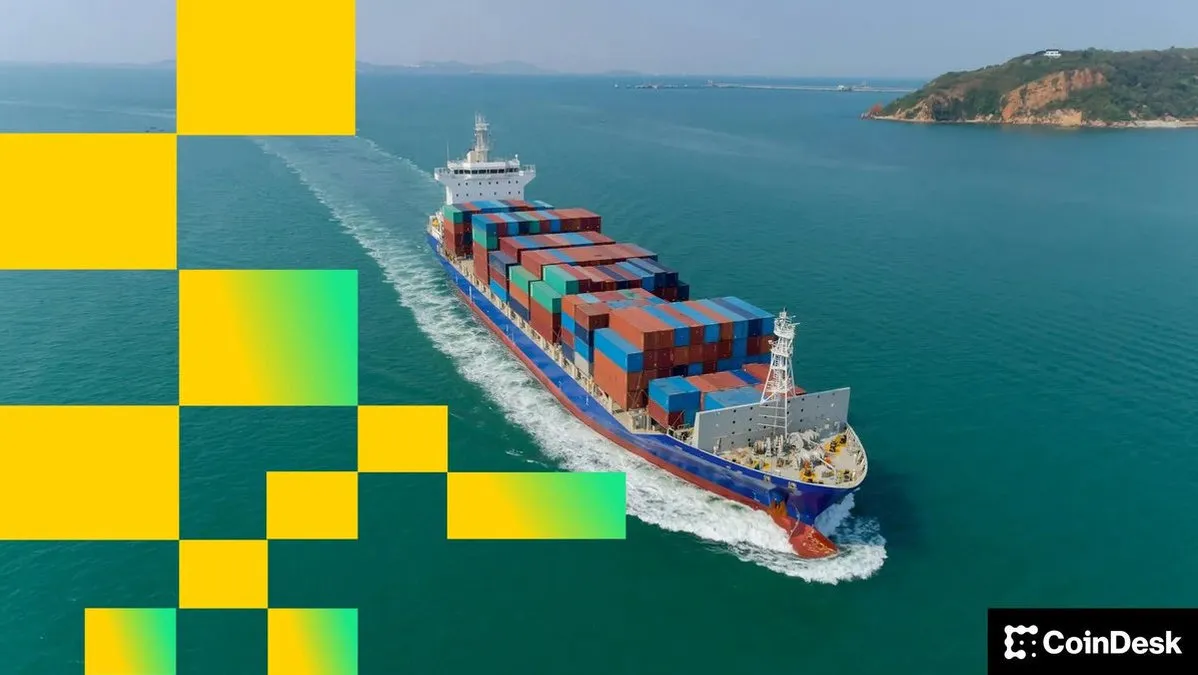
Recent tensions in the Middle East have sparked significant anxiety within the crypto community. Many traders fear that a potential closure of the Strait of Hormuz by Iran could severely disrupt global oil supplies. This scenario, they argue, might trigger a sharp spike in oil prices, leading to broader market instability and negatively impacting cryptocurrency valuations like bitcoin.
However, several geopolitical analysts suggest these fears are likely overblown. A complete and sustained closure of the strategic waterway is widely viewed as a last resort, considered both militarily challenging and economically damaging for Iran itself. Any resulting oil price increase may therefore be more limited and temporary than social media speculation implies.
The immediate market reaction saw bitcoin experience volatility, dipping briefly before finding support. This movement highlights how digital asset markets can react to global events even when traditional finance venues are closed. Yet, the fundamental drivers for crypto often extend beyond short-term geopolitical shocks.
From a cybersecurity perspective, such periods of uncertainty also heighten risks for digital asset holders. Threat actors often use chaotic news cycles to launch sophisticated phishing campaigns, attempting to steal private keys and wallet credentials. Users must remain vigilant against these social engineering attacks.
Furthermore, the security of the underlying blockchain technology itself remains paramount. While blockchain security is robust, the ecosystem surrounding it faces constant threats. The discovery of a critical software vulnerability or a zero-day exploit in a popular wallet or exchange could lead to a significant data breach, independent of geopolitical events.
The broader threat landscape includes malware and ransomware specifically designed to target crypto holdings. These attacks underscore the importance of employing strong personal cybersecurity practices, such as using hardware wallets and enabling multi-factor authentication, to safeguard assets.
Ultimately, while the crypto market is sensitive to macro-economic signals, its long-term trajectory is influenced by adoption and technological progress. The current focus on a potential oil supply shock may distract from more pressing issues within the industry, including the ongoing need to fortify defenses against digital threats.
Investors would be wise to monitor the situation but avoid reactionary decisions based on fear. A balanced approach that considers both geopolitical developments and persistent cybersecurity risks is essential for navigating the current landscape.