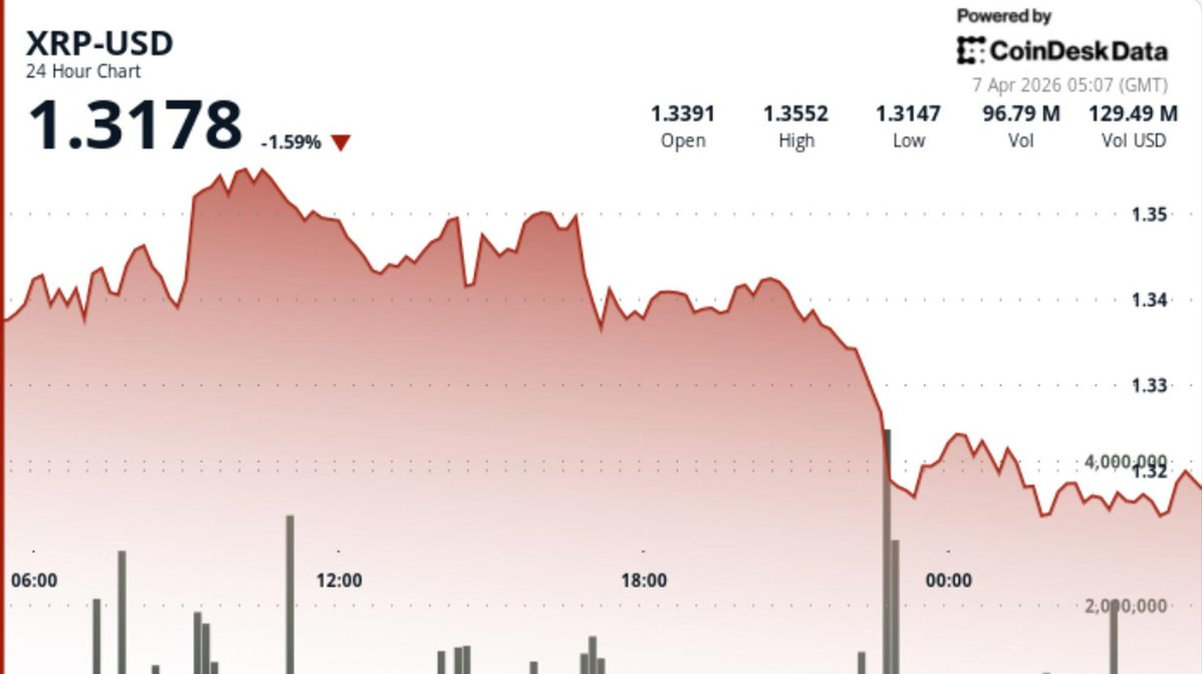
Bitcoin remains trapped in a narrow trading range, with ether underperforming and overall market volumes notably thin. This persistent lull has left investors searching for a meaningful catalyst to reignite momentum and attract sidelined capital back into the digital asset space.
According to analysts at JPMorgan, the key to unlocking this stalled market could be U.S. legislation. The long-delayed Clarity Act aims to provide definitive regulatory clarity by splitting oversight between the SEC and CFTC, easing compliance burdens, and clarifying rules for token offerings.
The bank's report suggests that establishing a clear regulatory framework would directly boost institutional participation. This influx is seen as critical for deepening market liquidity and potentially catalyzing a significant upward price movement across major crypto assets.
Persistent regulatory ambiguity has been a major overhang, fostering caution among larger investors. The current environment, lacking a coherent rulebook, has stifled innovation and kept substantial institutional capital on the sidelines awaiting clearer guidelines.
Beyond market structure, the broader crypto ecosystem continues to face significant threats that underscore the need for robust blockchain security. Incidents involving sophisticated malware and ransomware attacks highlight ongoing vulnerabilities within digital asset platforms.
Furthermore, the risk of a major data breach or a critical zero-day vulnerability being exploited remains a top concern for exchanges and custodians. These cybersecurity challenges are compounded by persistent phishing campaigns aimed at stealing user credentials and funds.
Addressing these security issues is paramount for building lasting trust. Simultaneously, legislative progress like the Clarity Act could provide the foundational stability required for sustainable growth, merging safety with regulatory certainty.
JPMorgan concludes that while sentiment is currently muted, the passage of such legislation could serve as the ultimate spark. It would not only clarify the playing field but also accelerate trends like tokenization, potentially marking a new phase of maturation for U.S. crypto markets.